-
All palaces are temporary palaces. Everything humans build is ephemeral. Pieces of the long dead past still remain, if we look for them. Analog media can still be digitized. Aging buildings can be restored. Our own memories and clothes and stories are a portal to the past. That past exists constantly and concurrently to our reality until such a point that we forget and turn away.
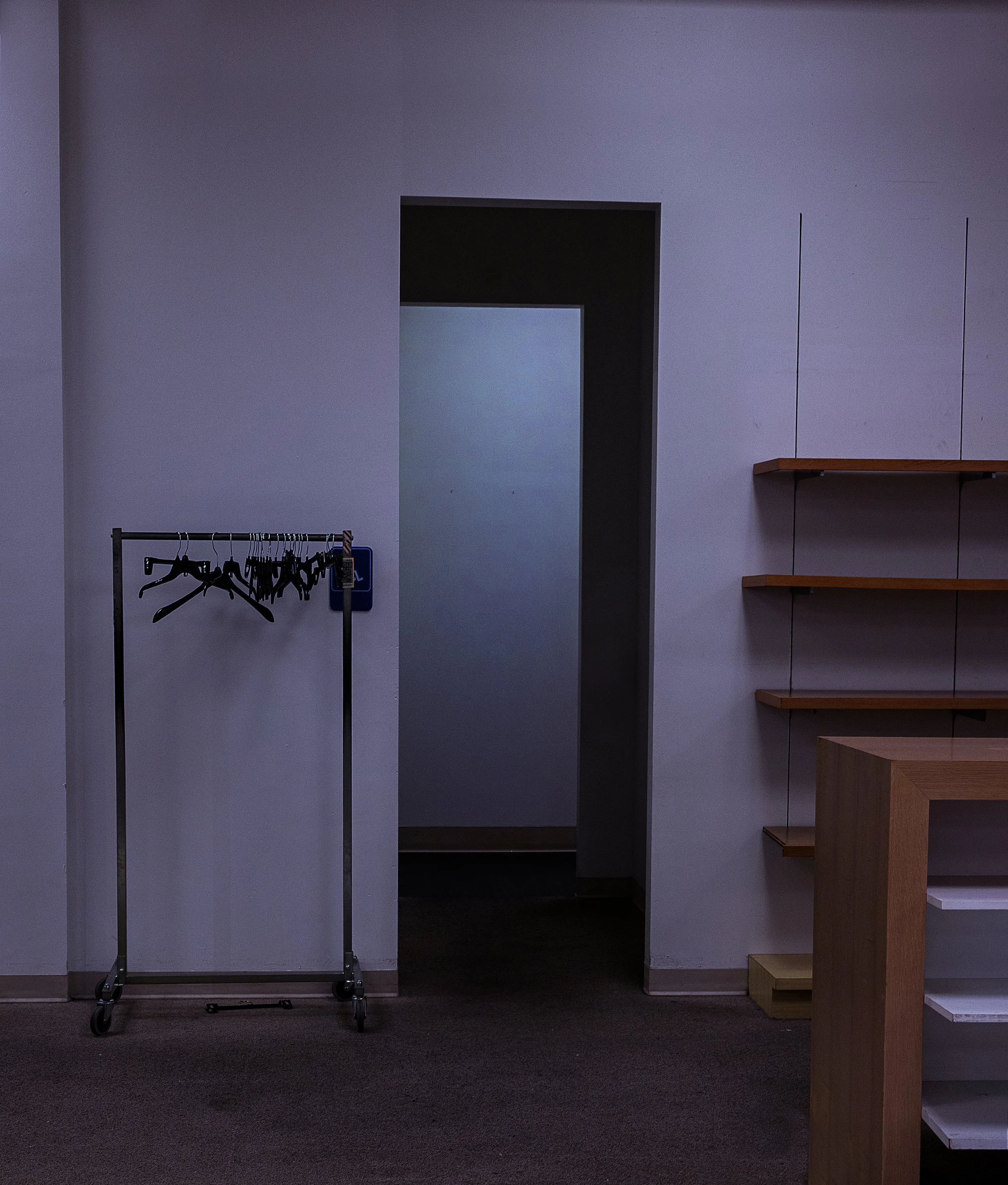
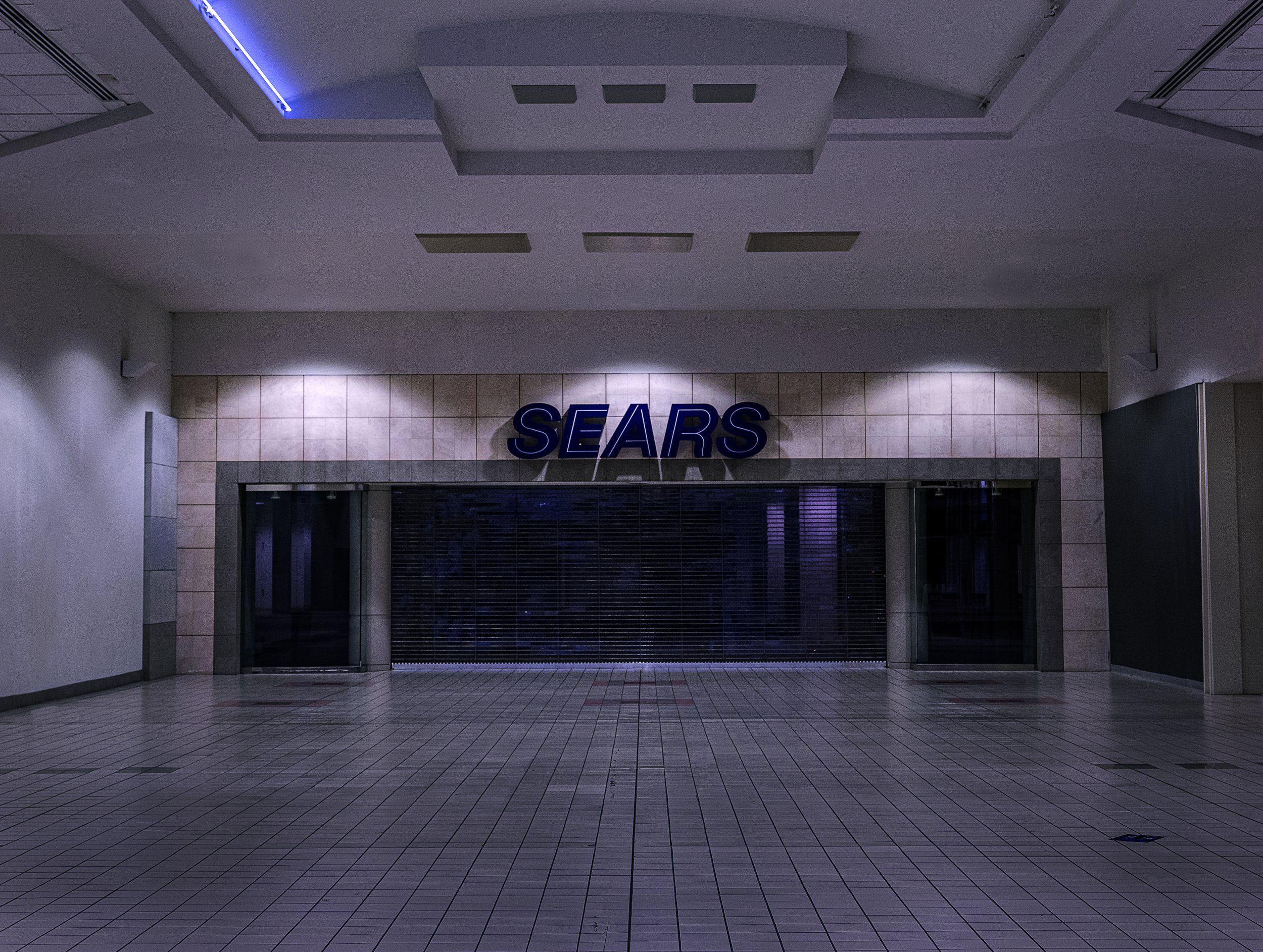
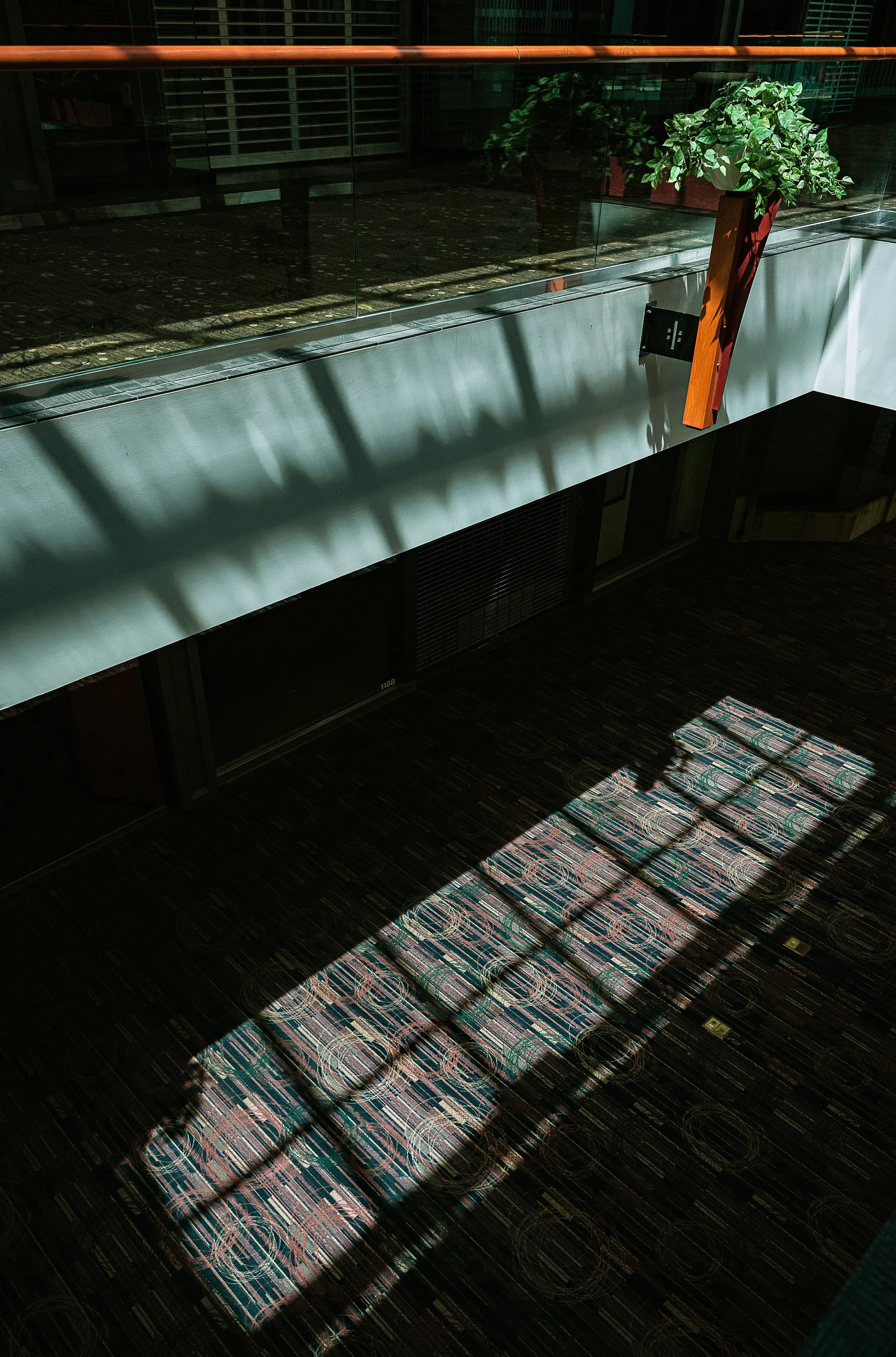
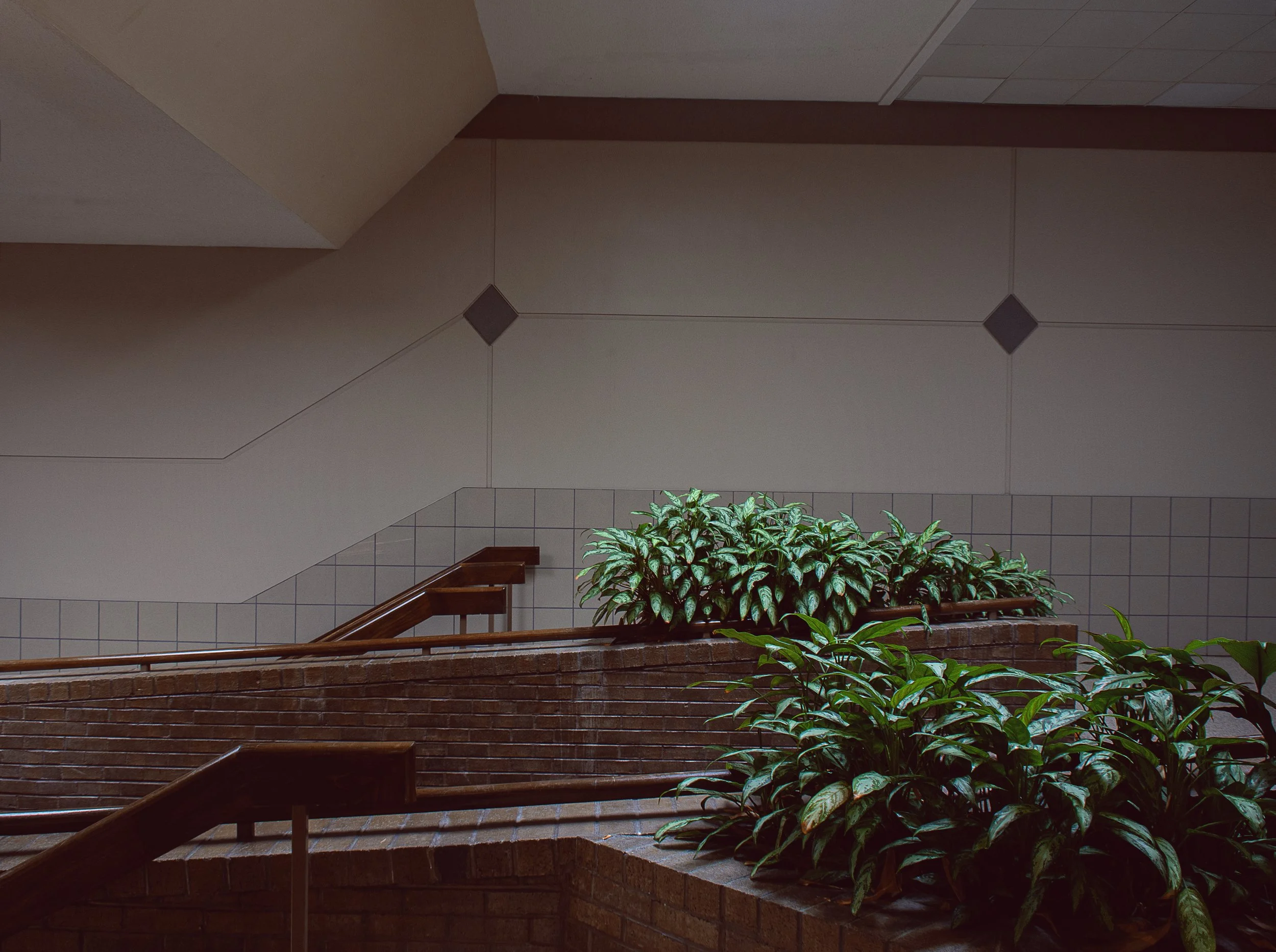
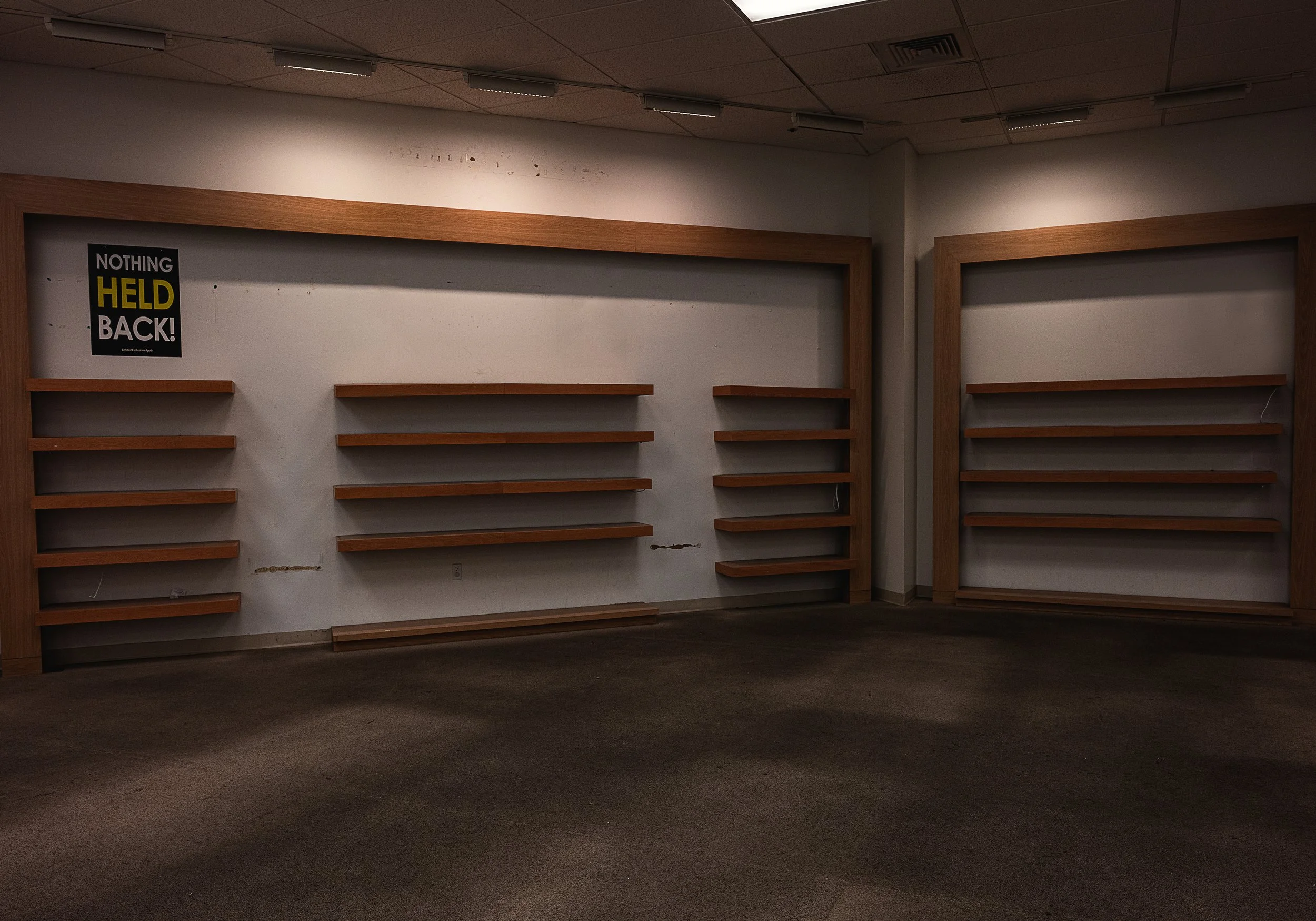
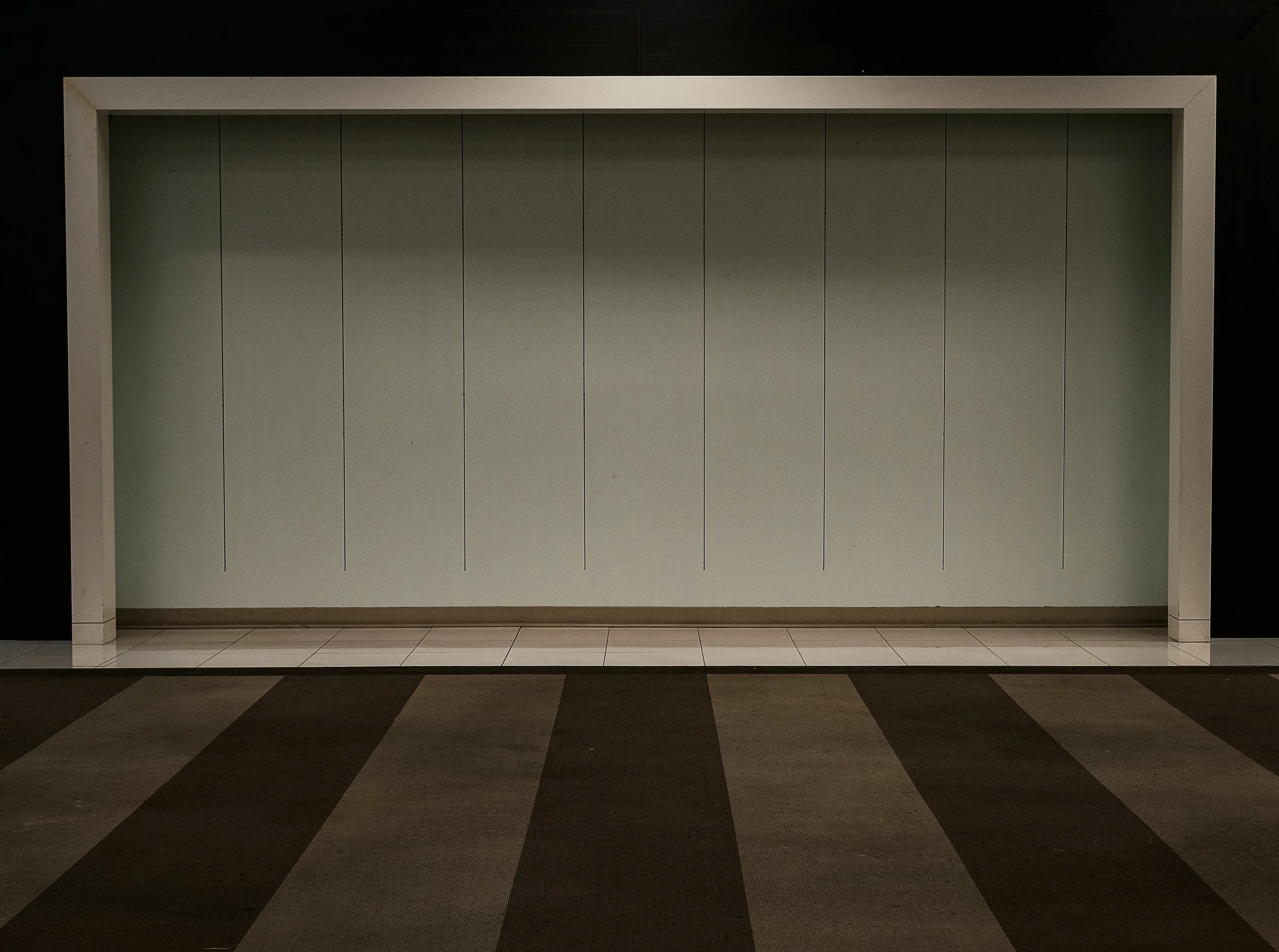
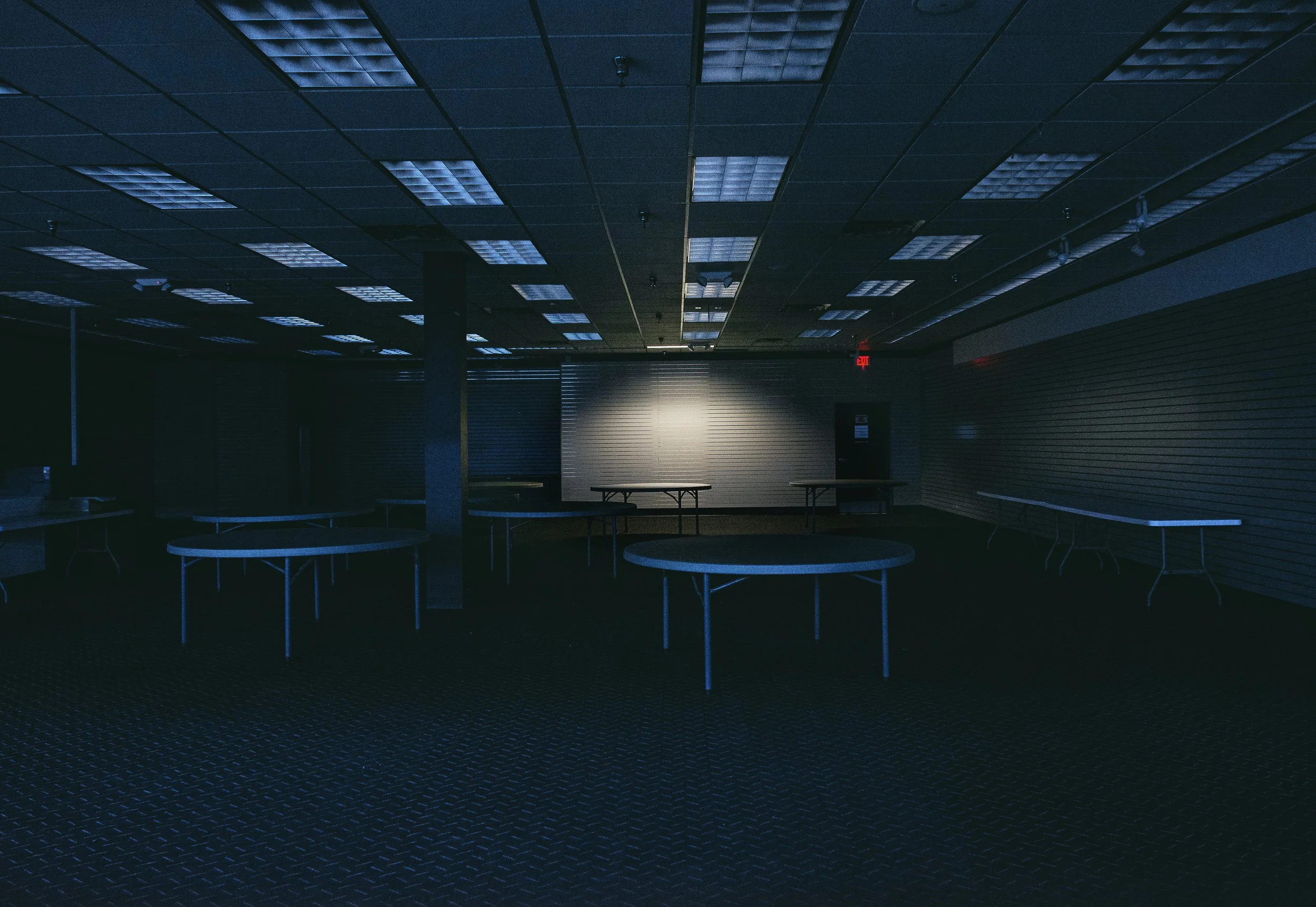
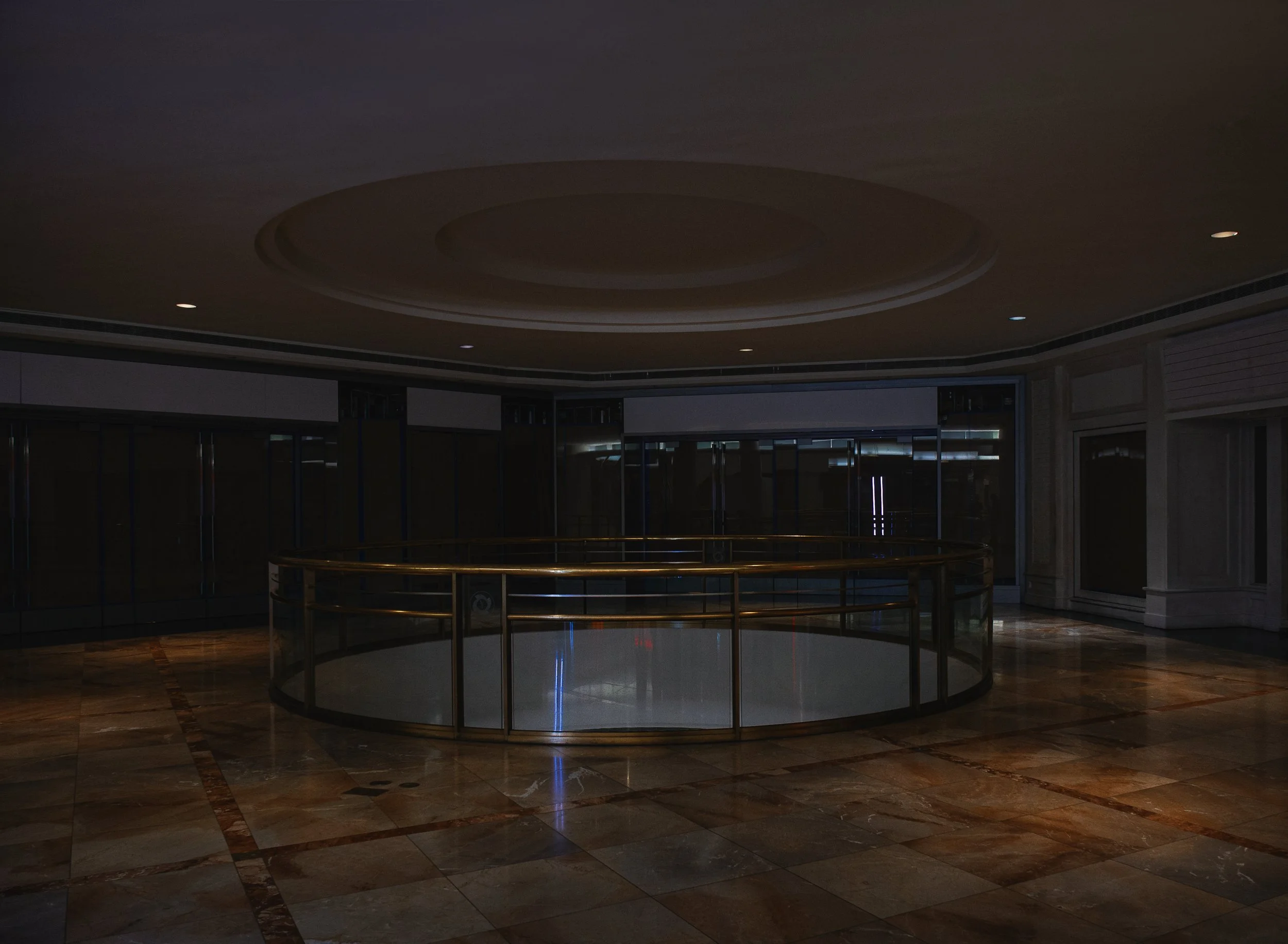
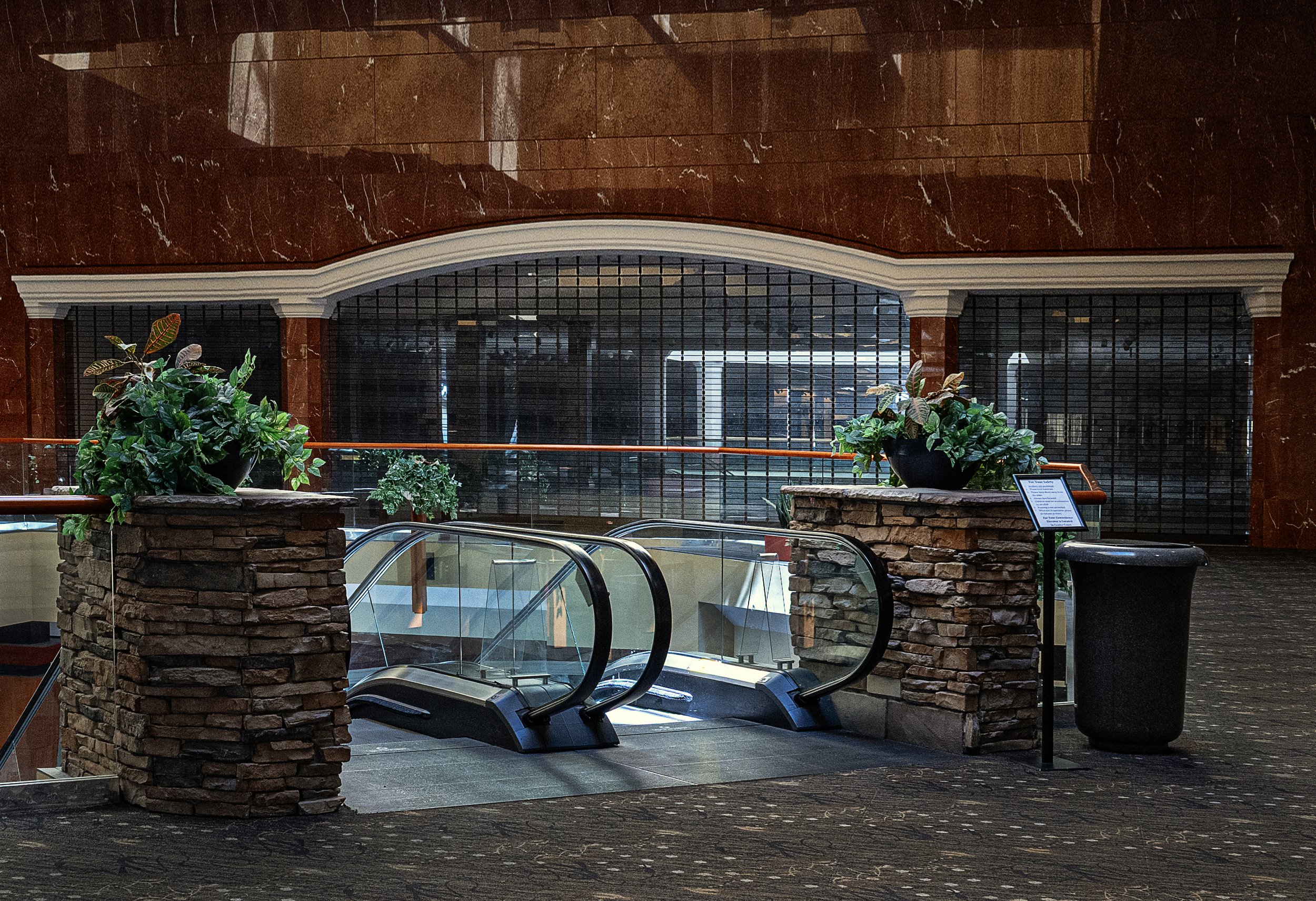
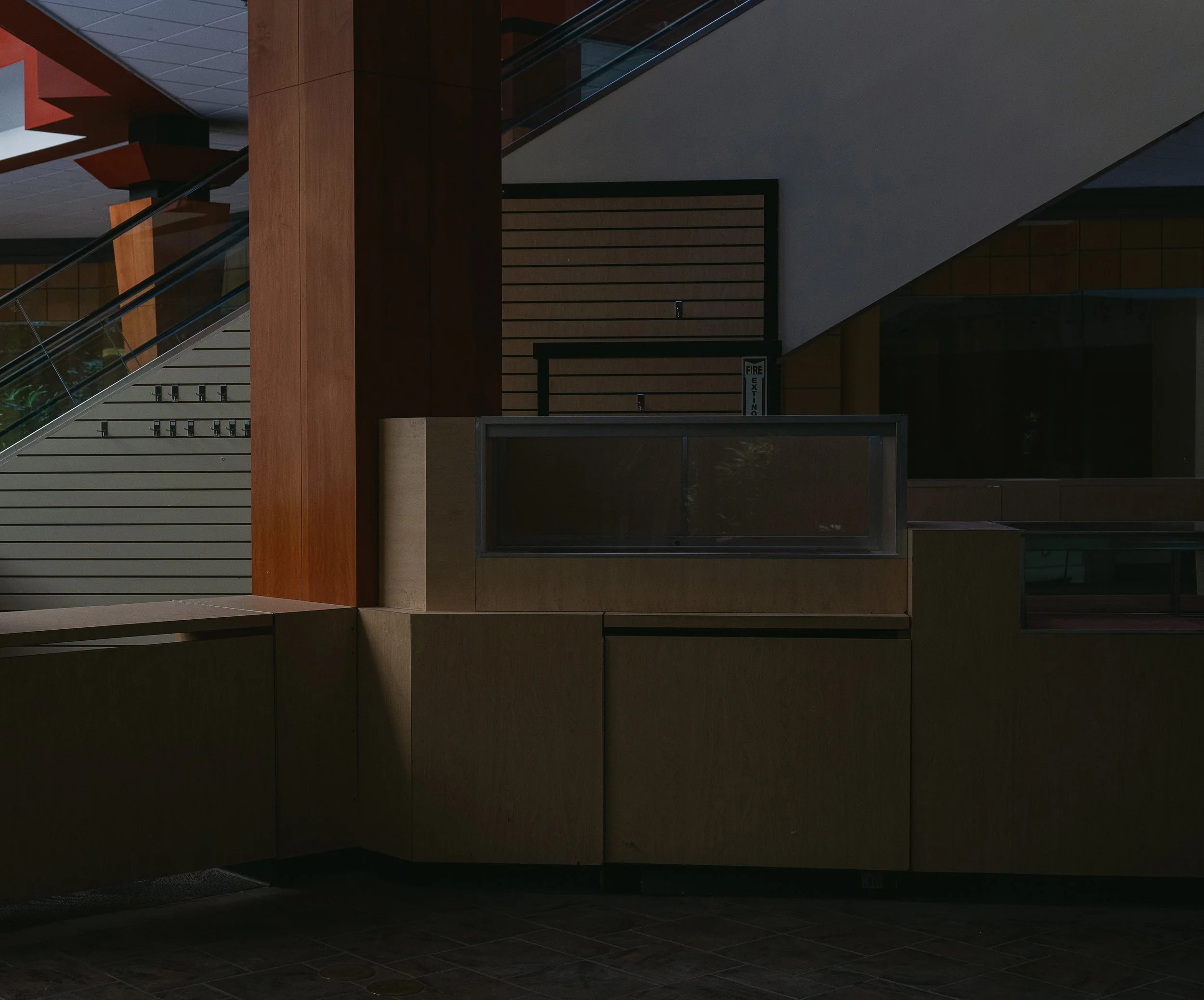
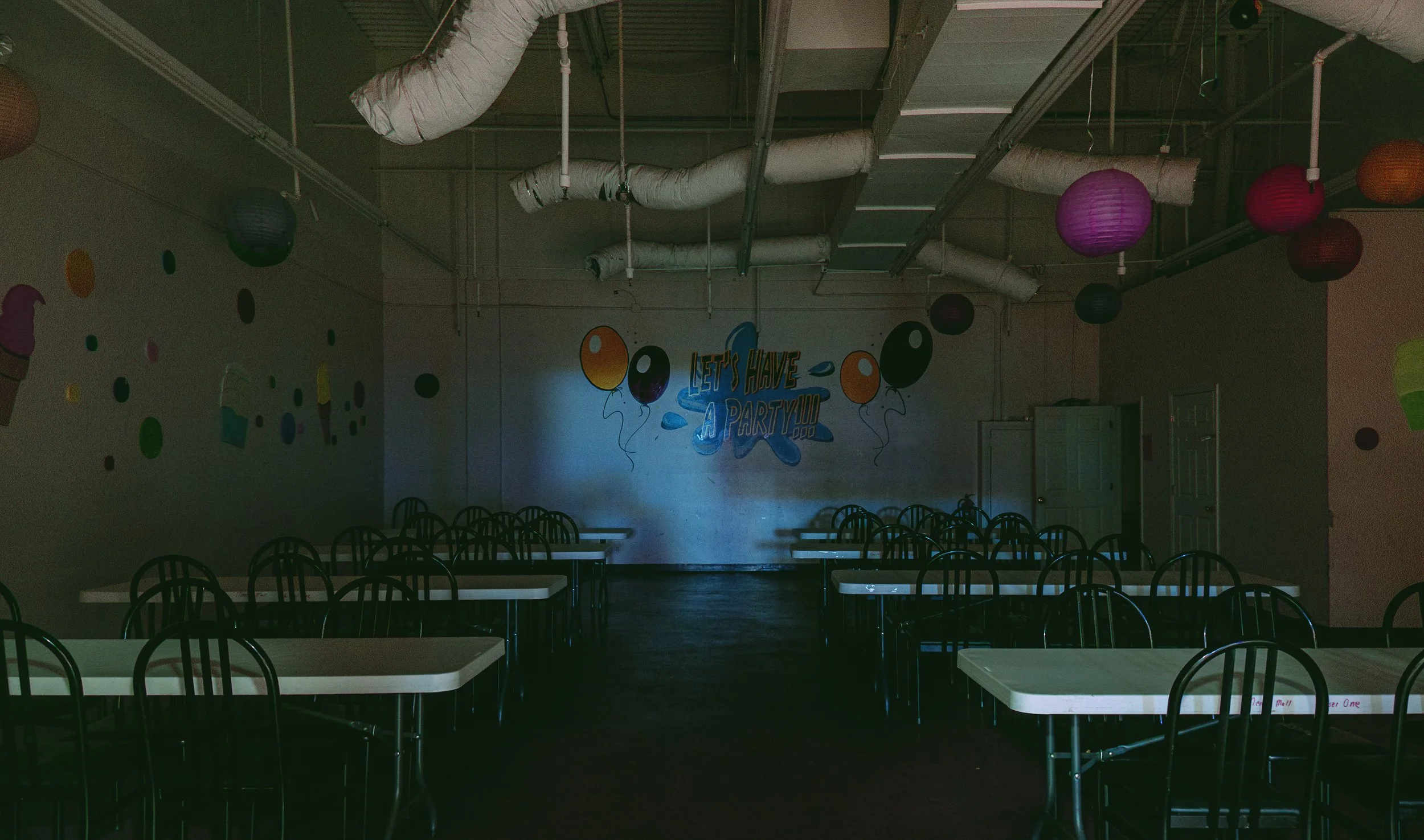
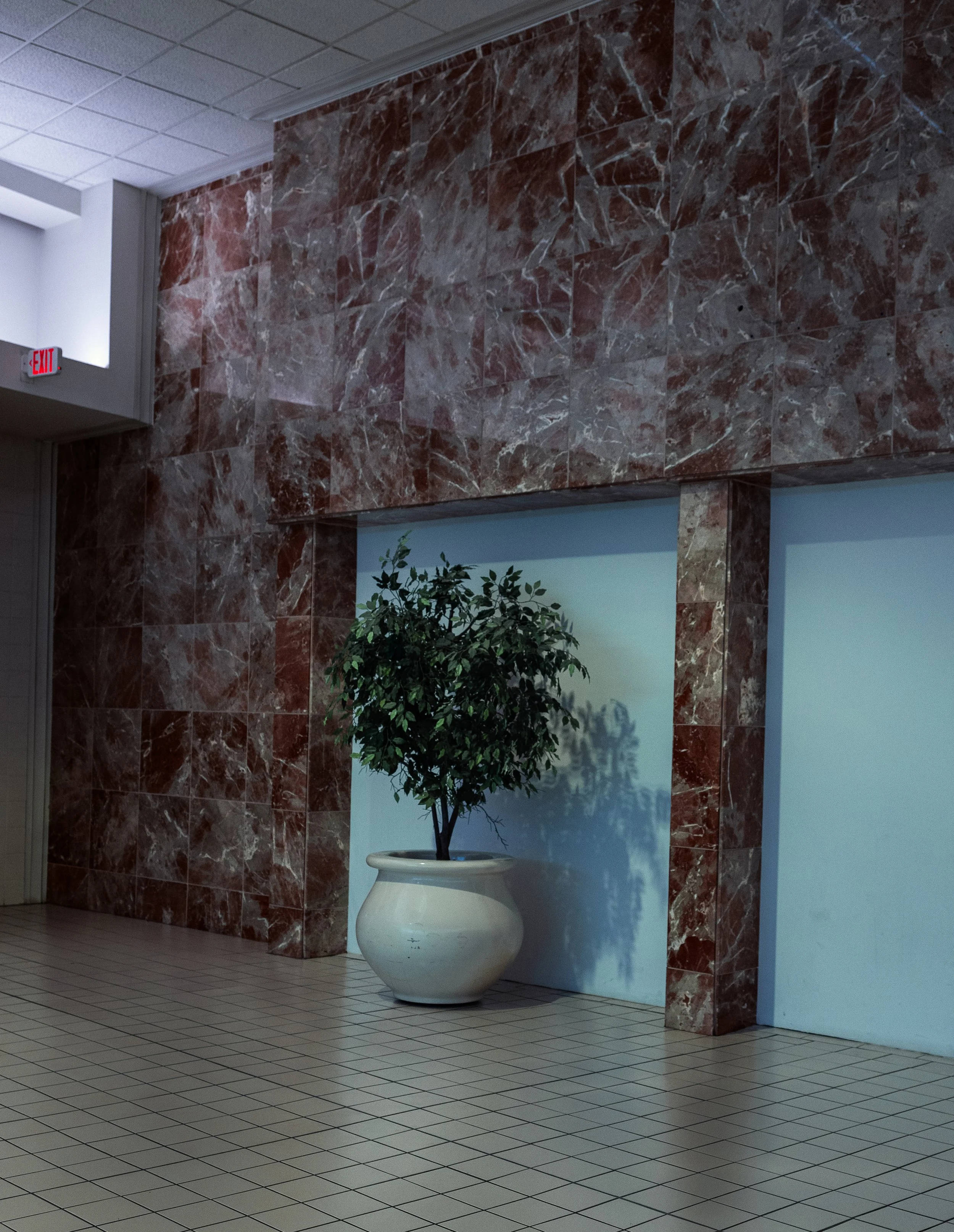
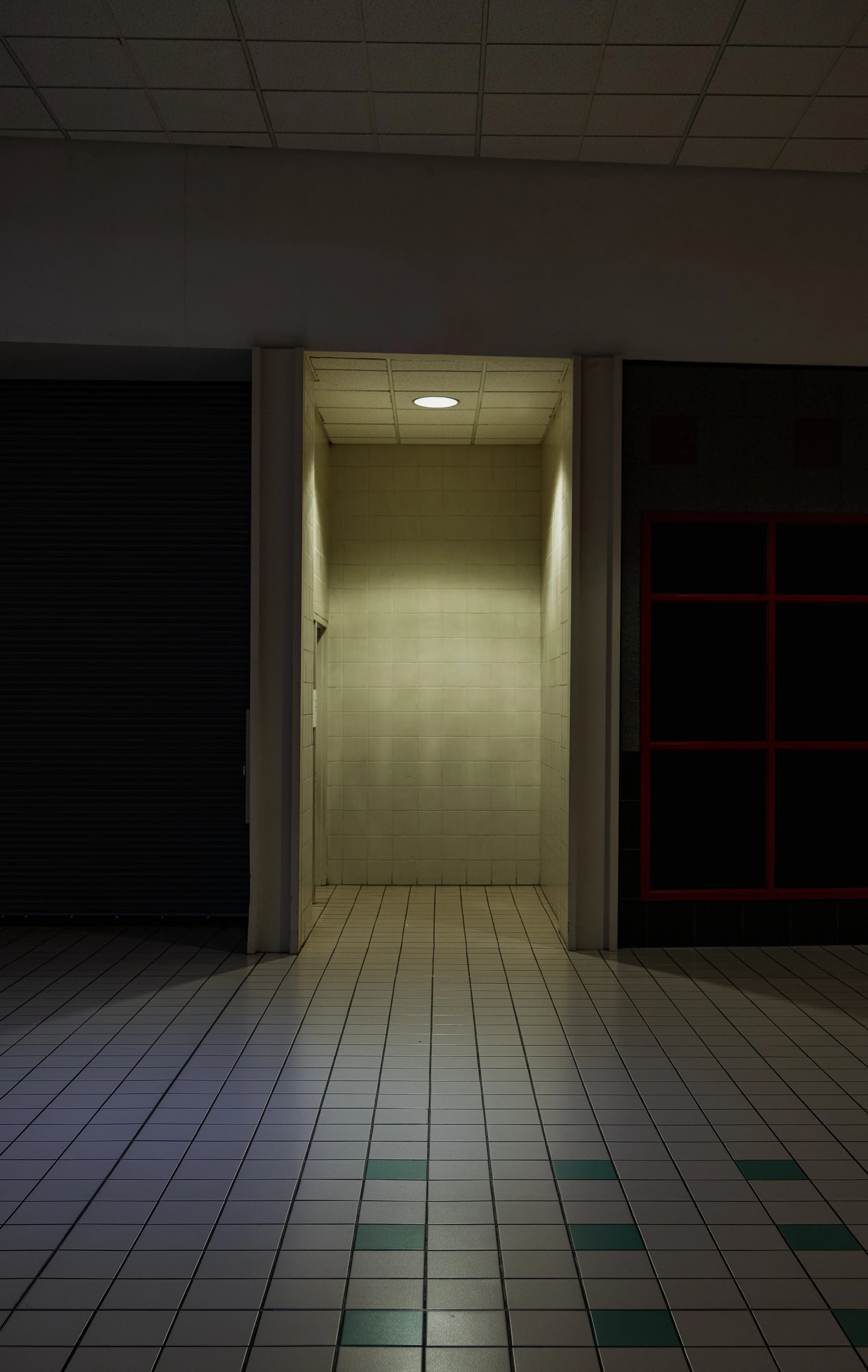
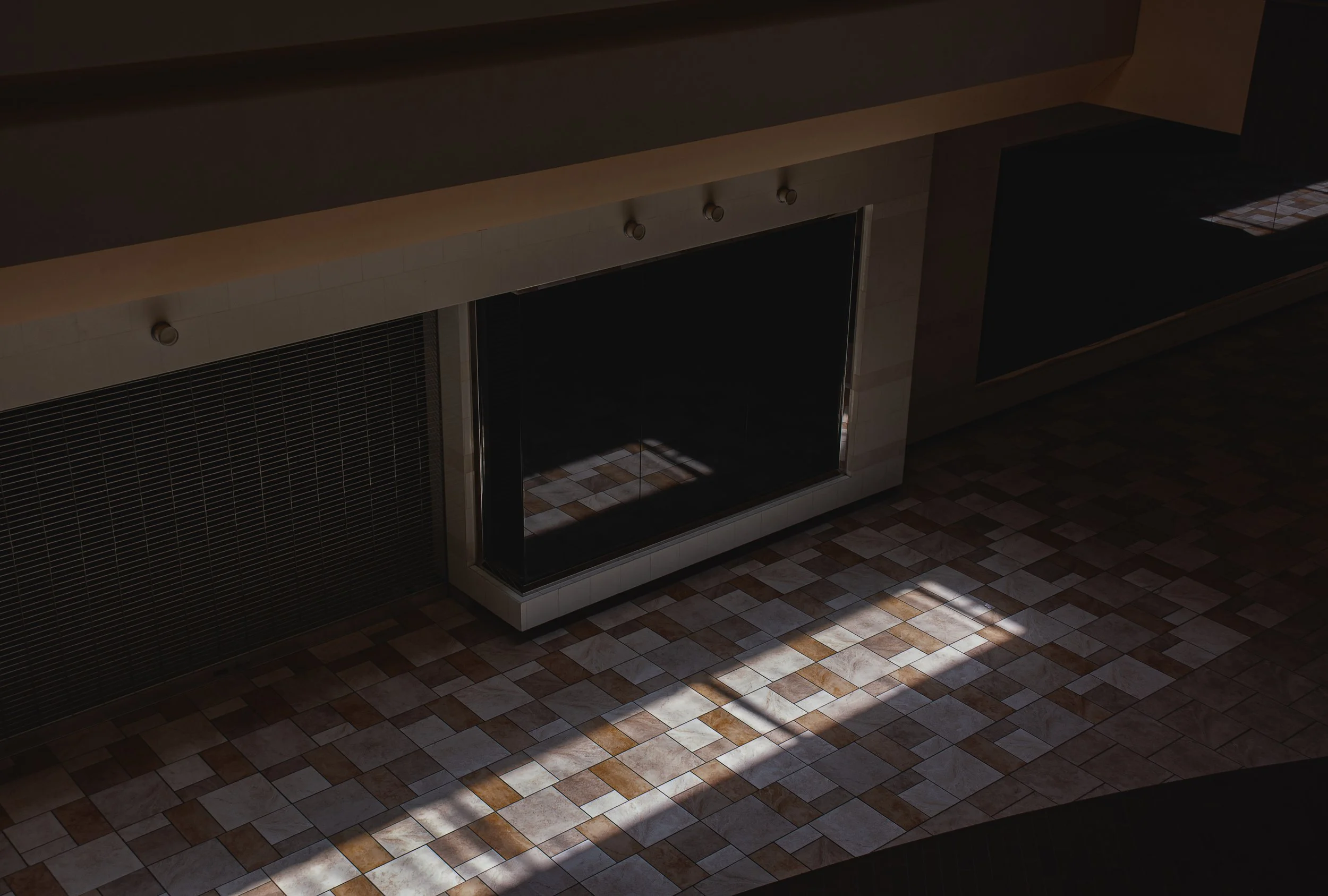
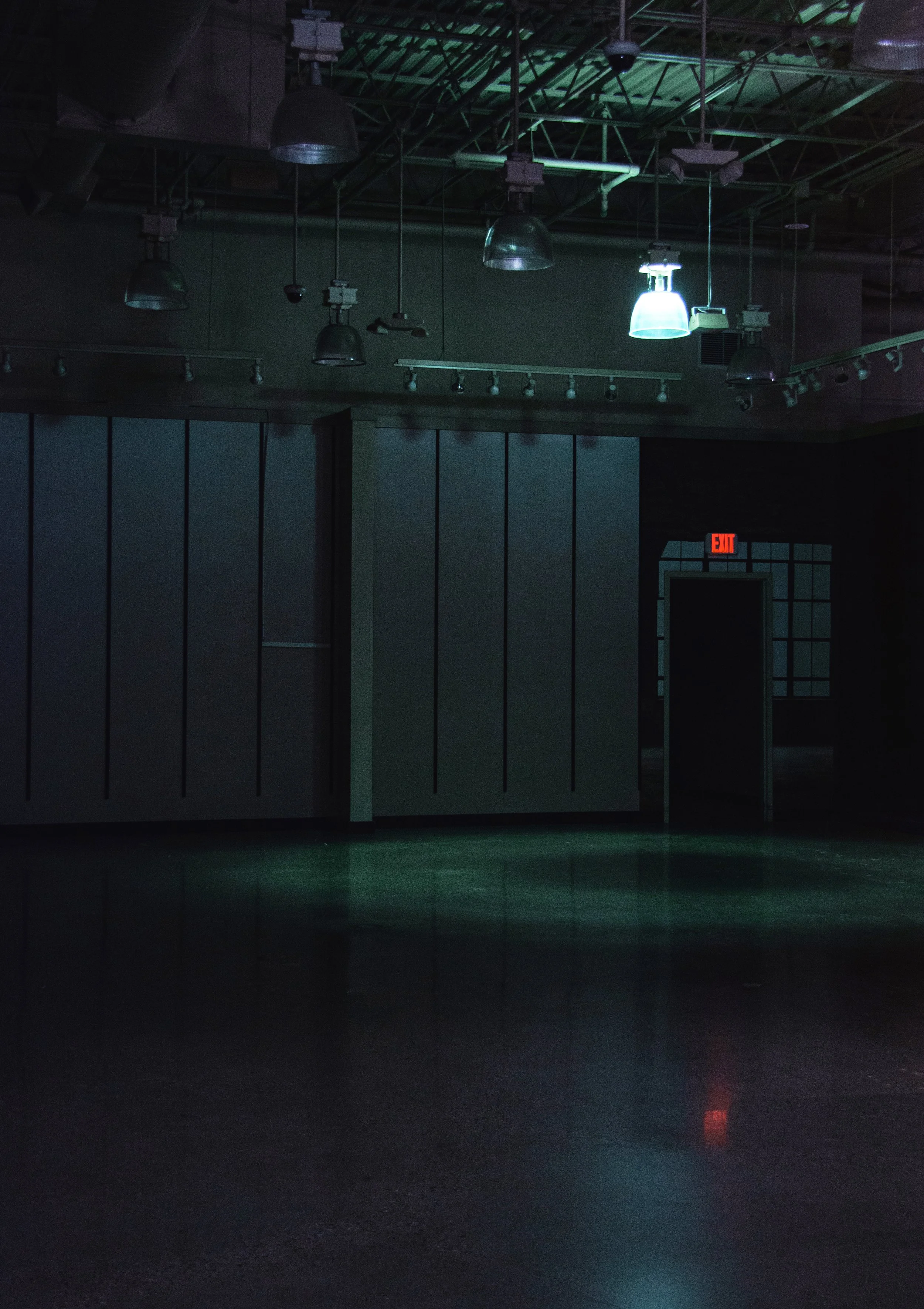
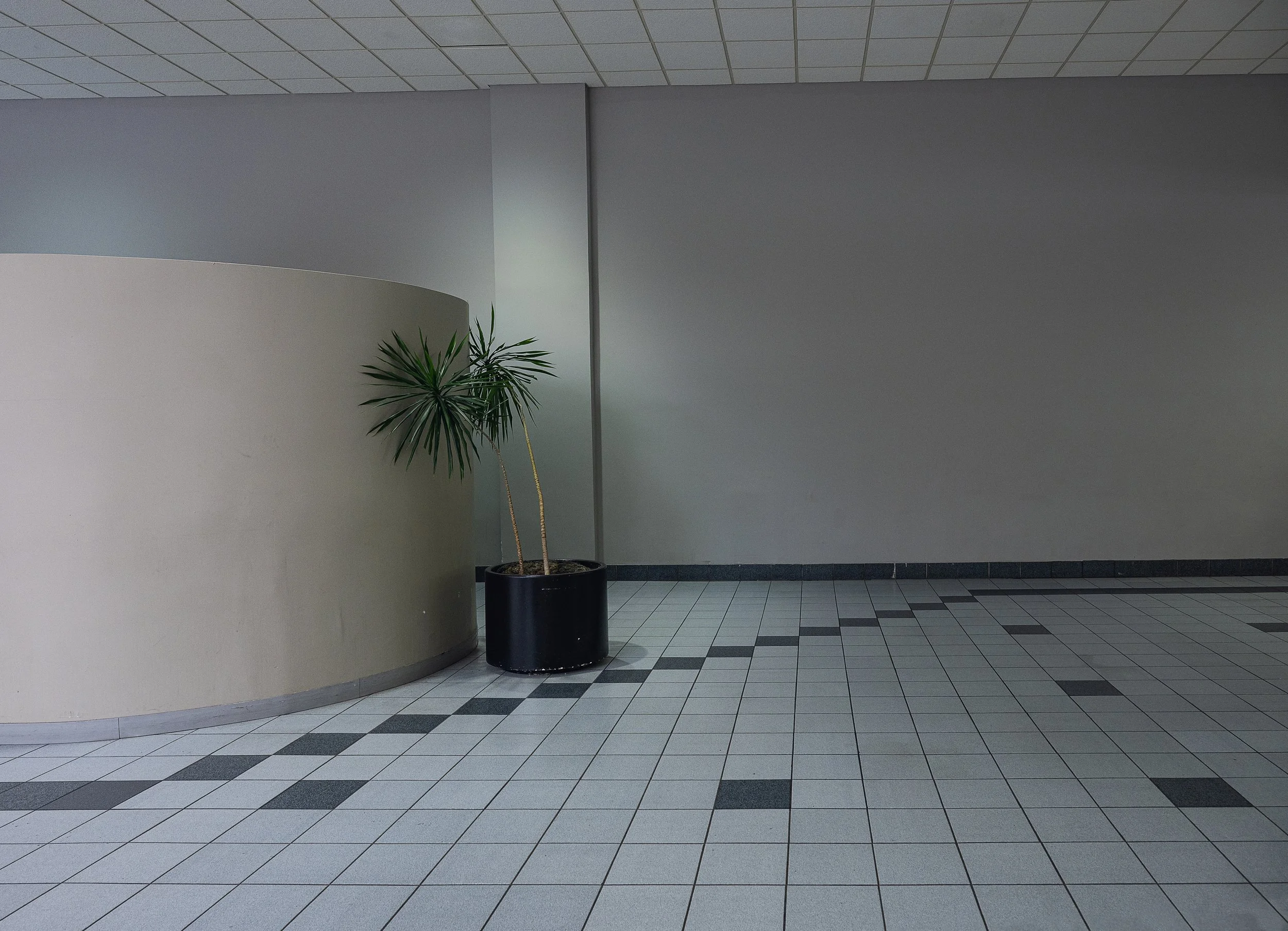
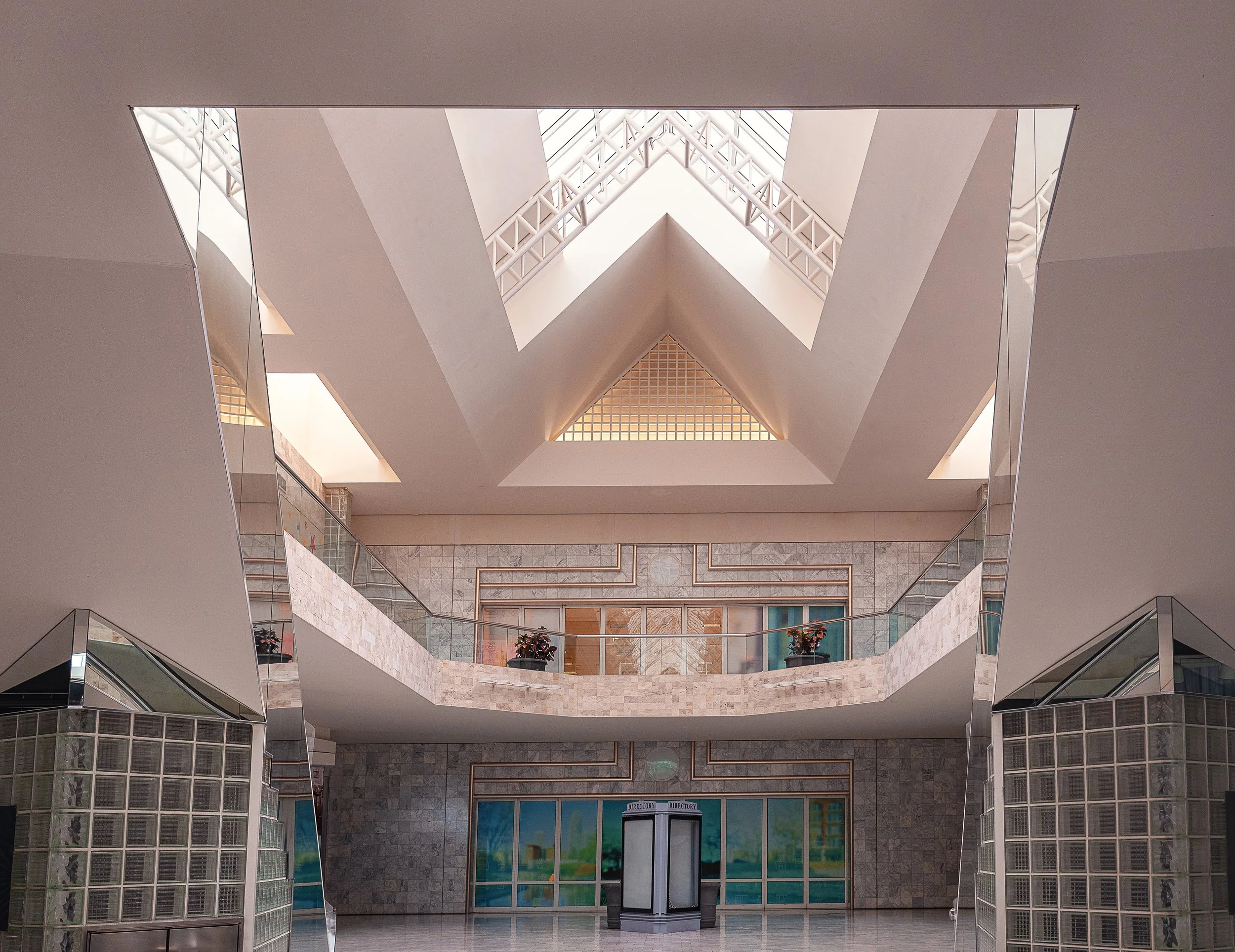
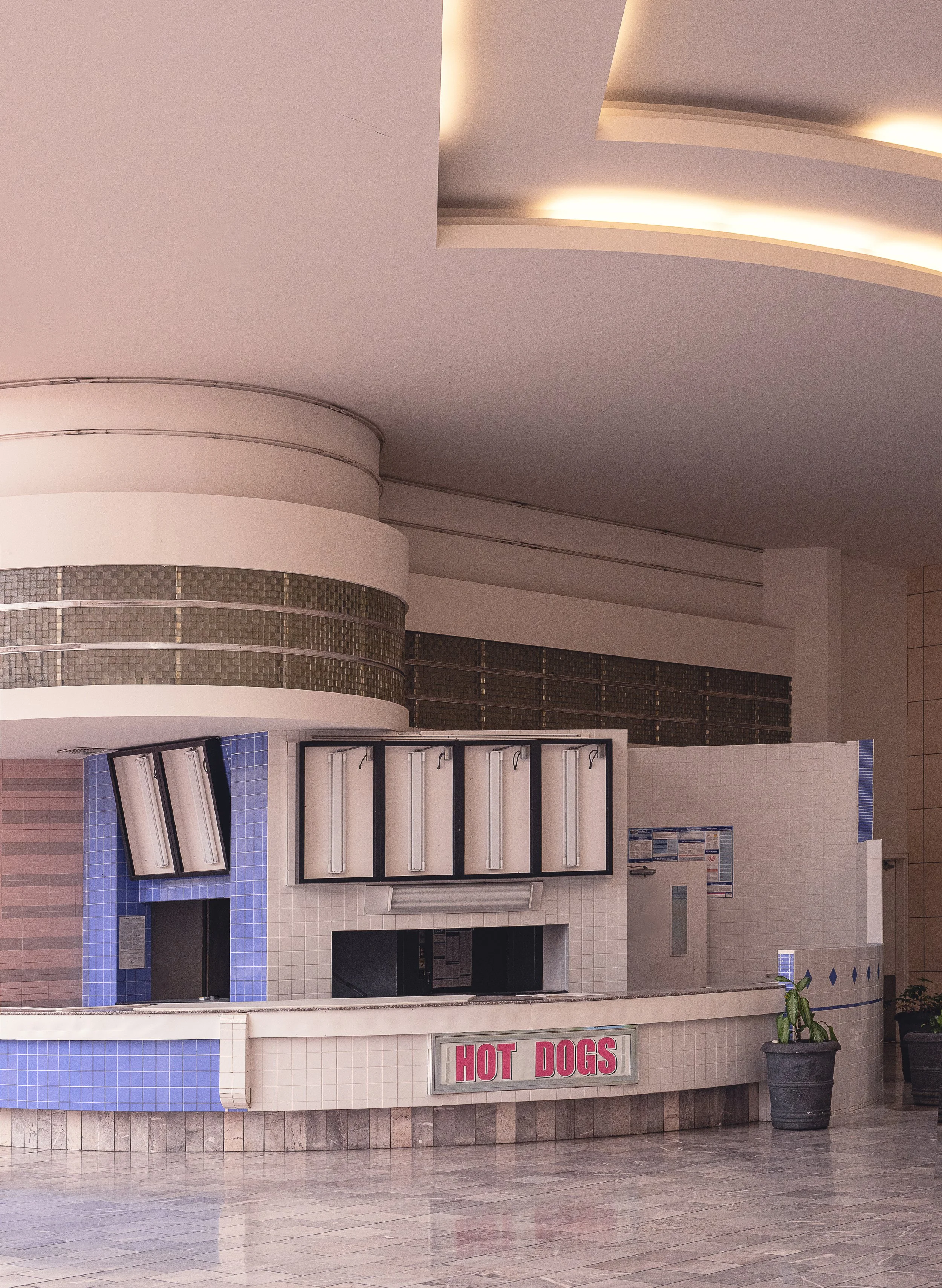
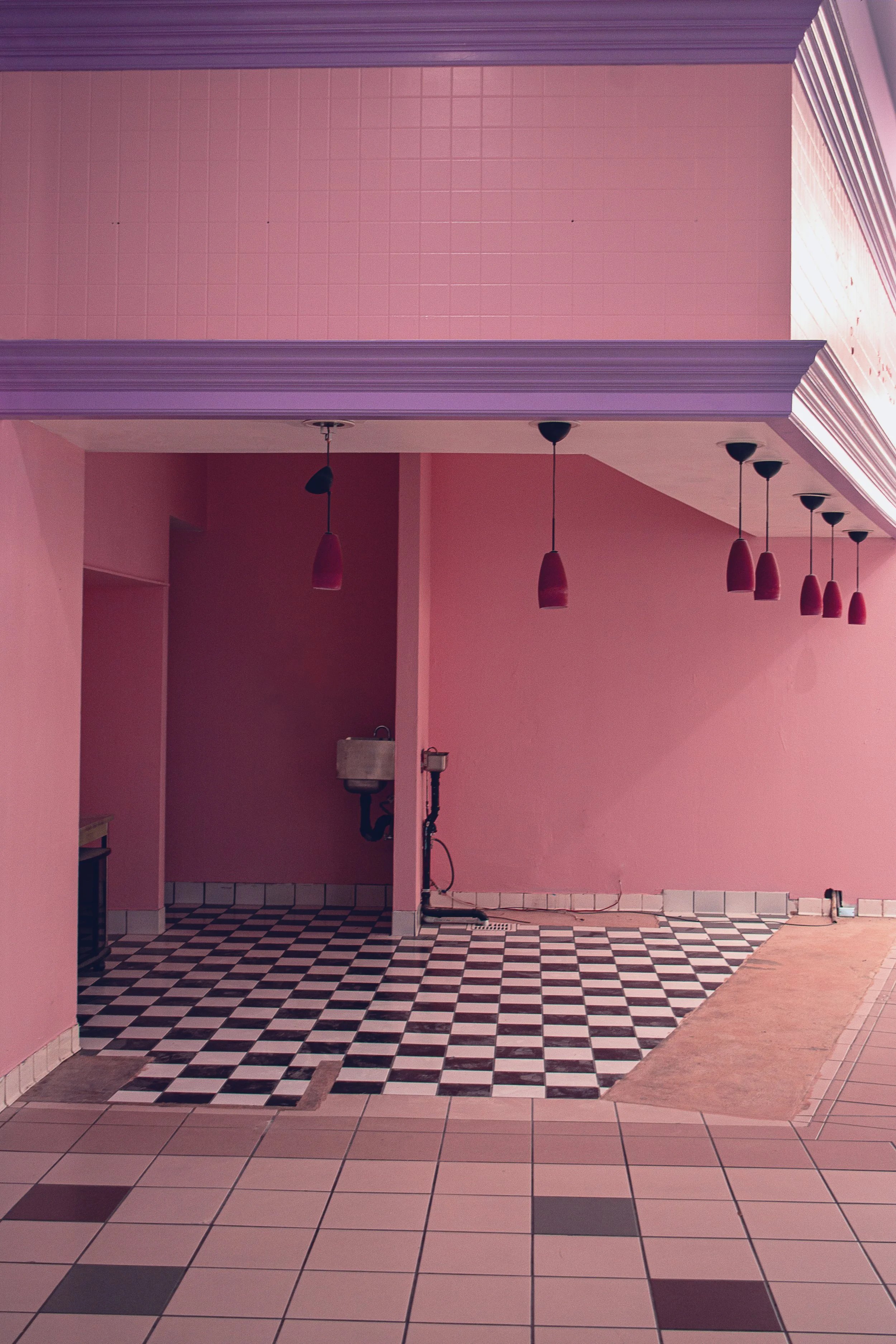
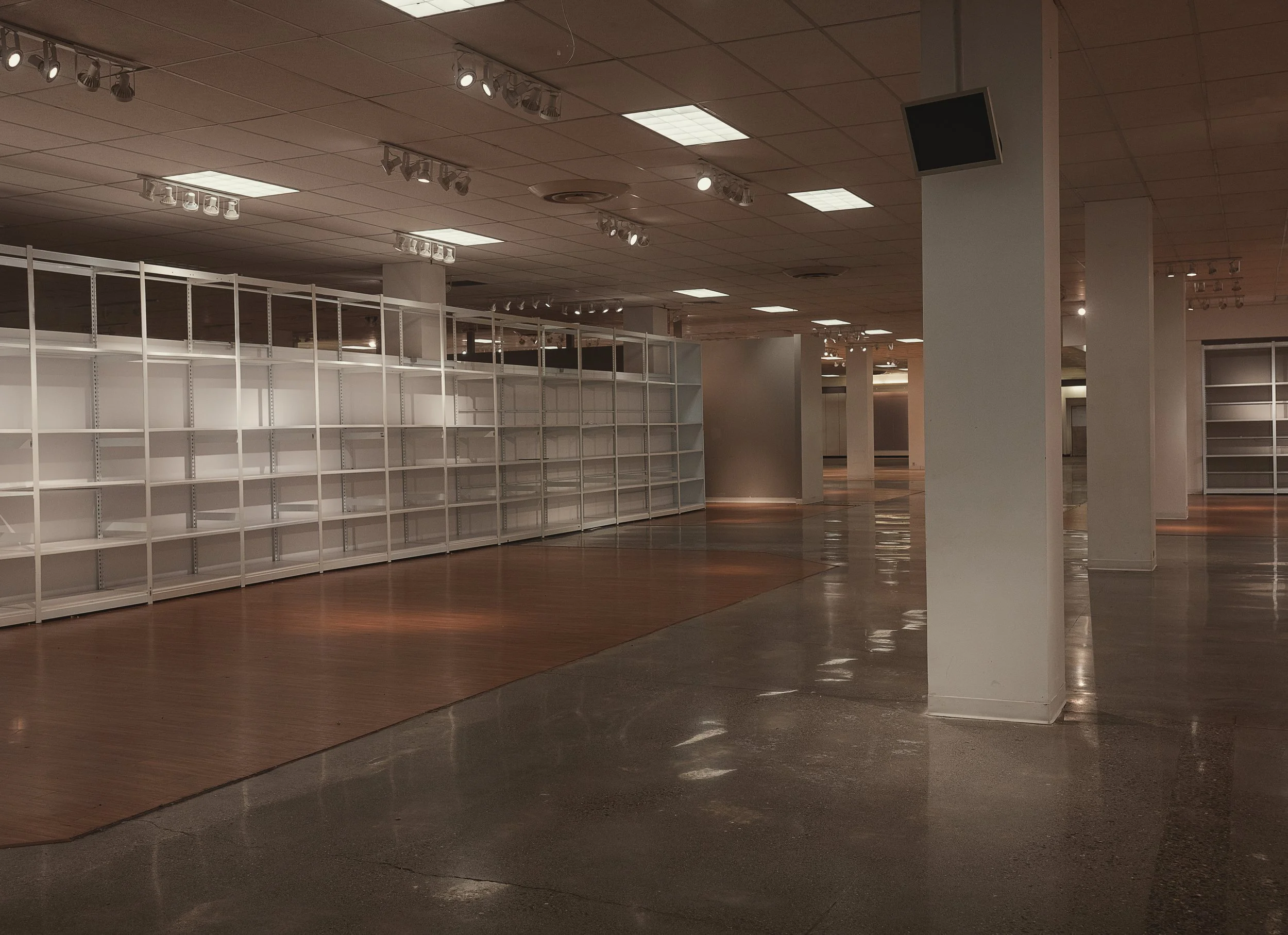
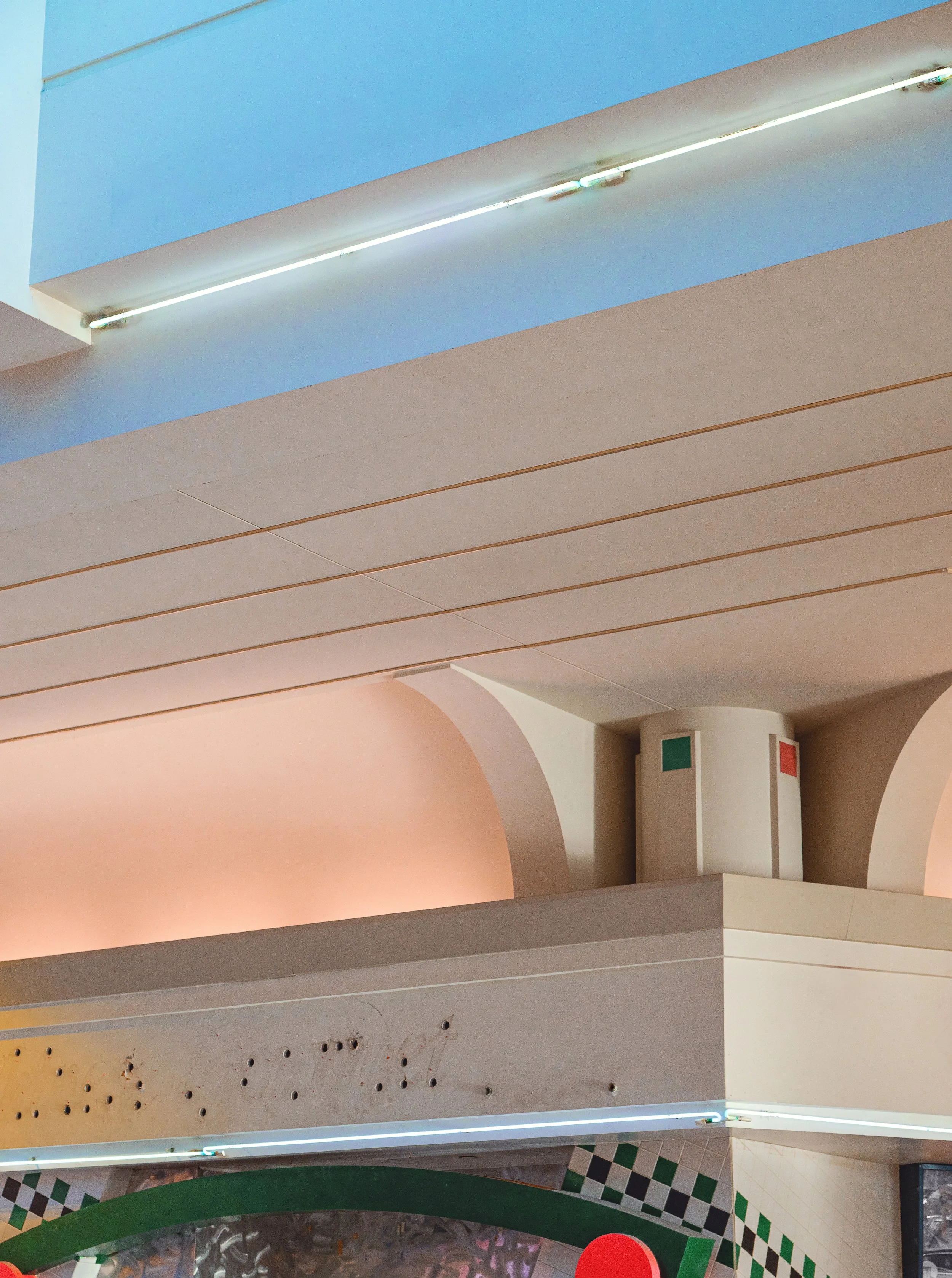
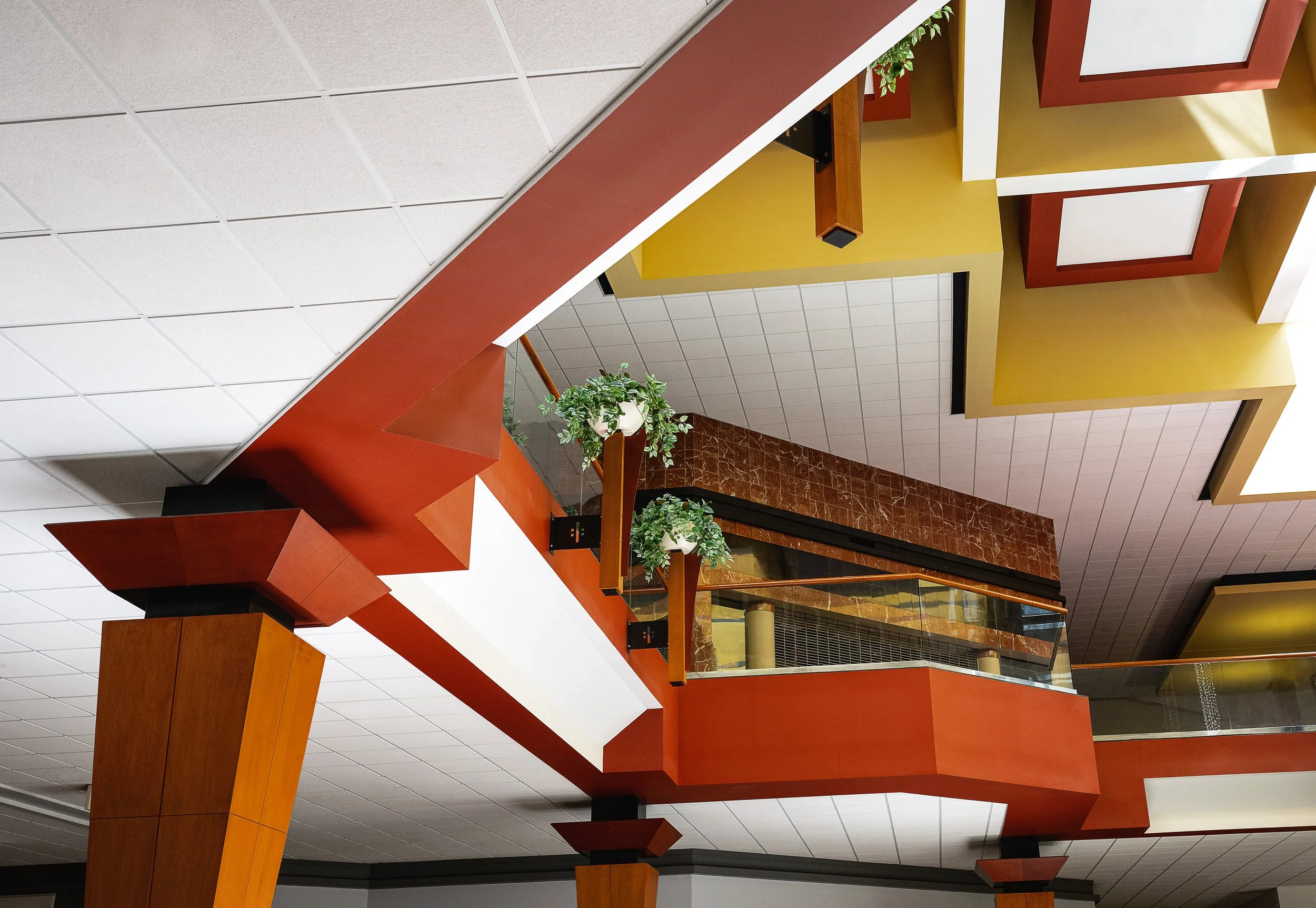
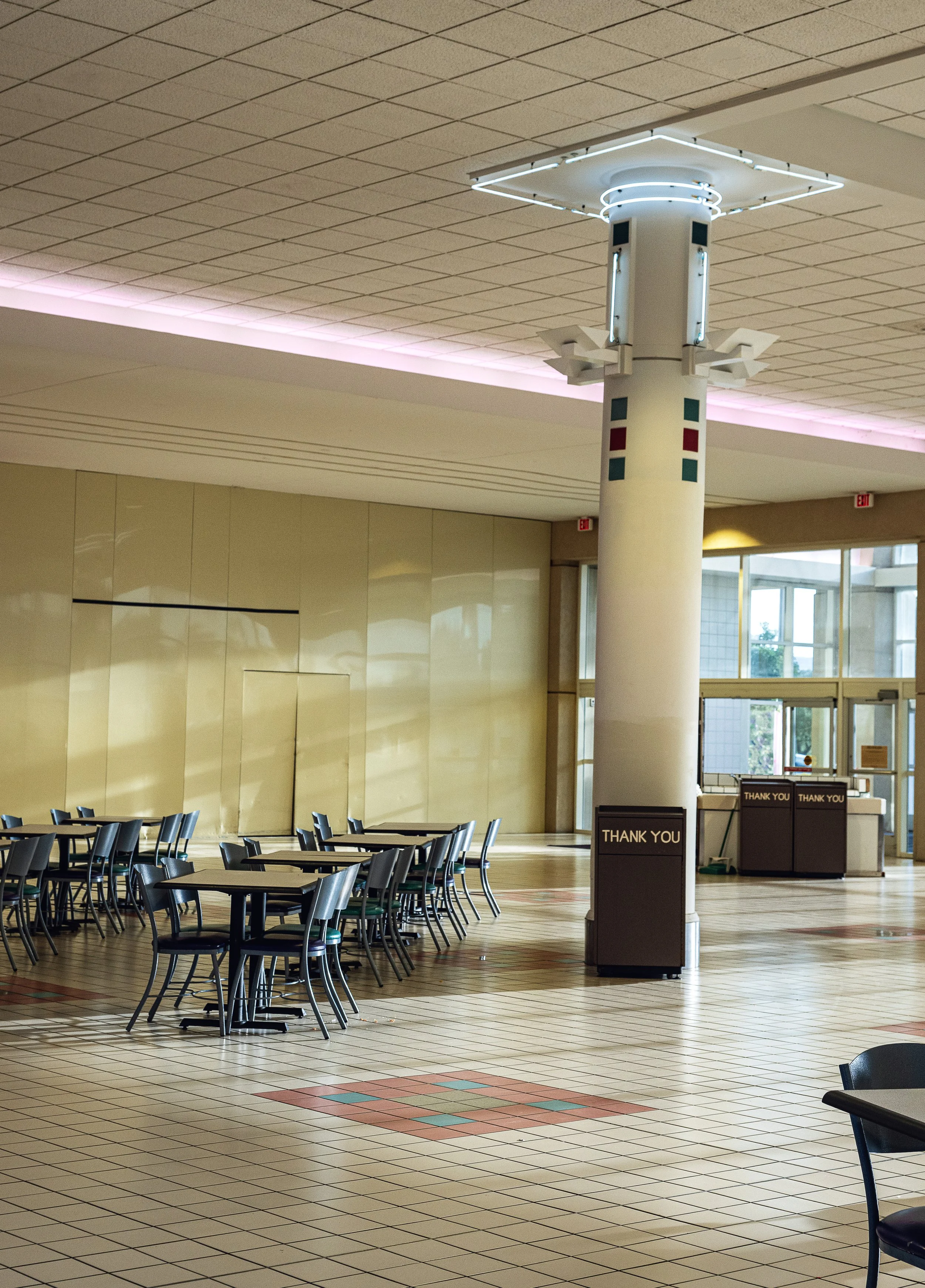
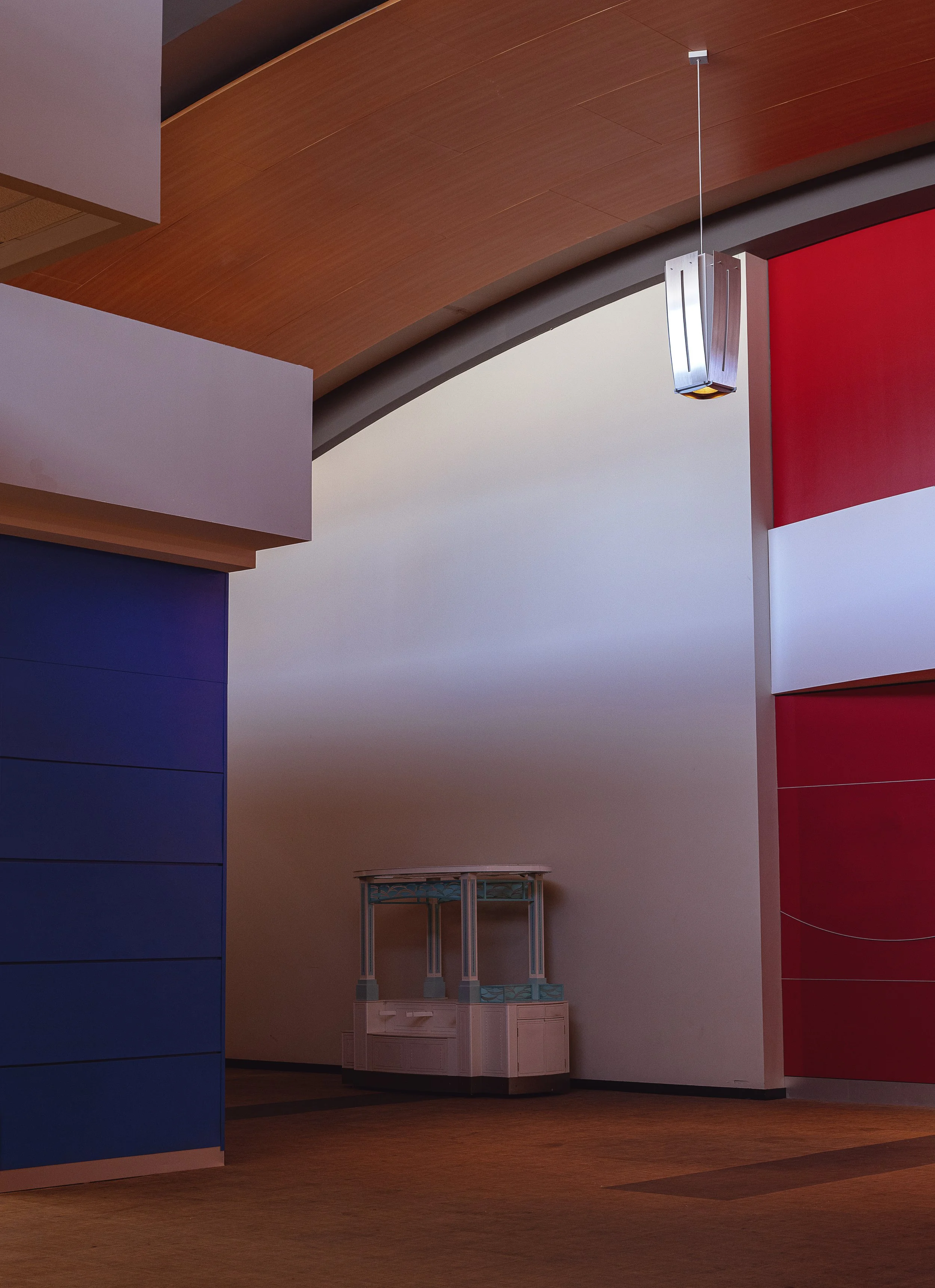
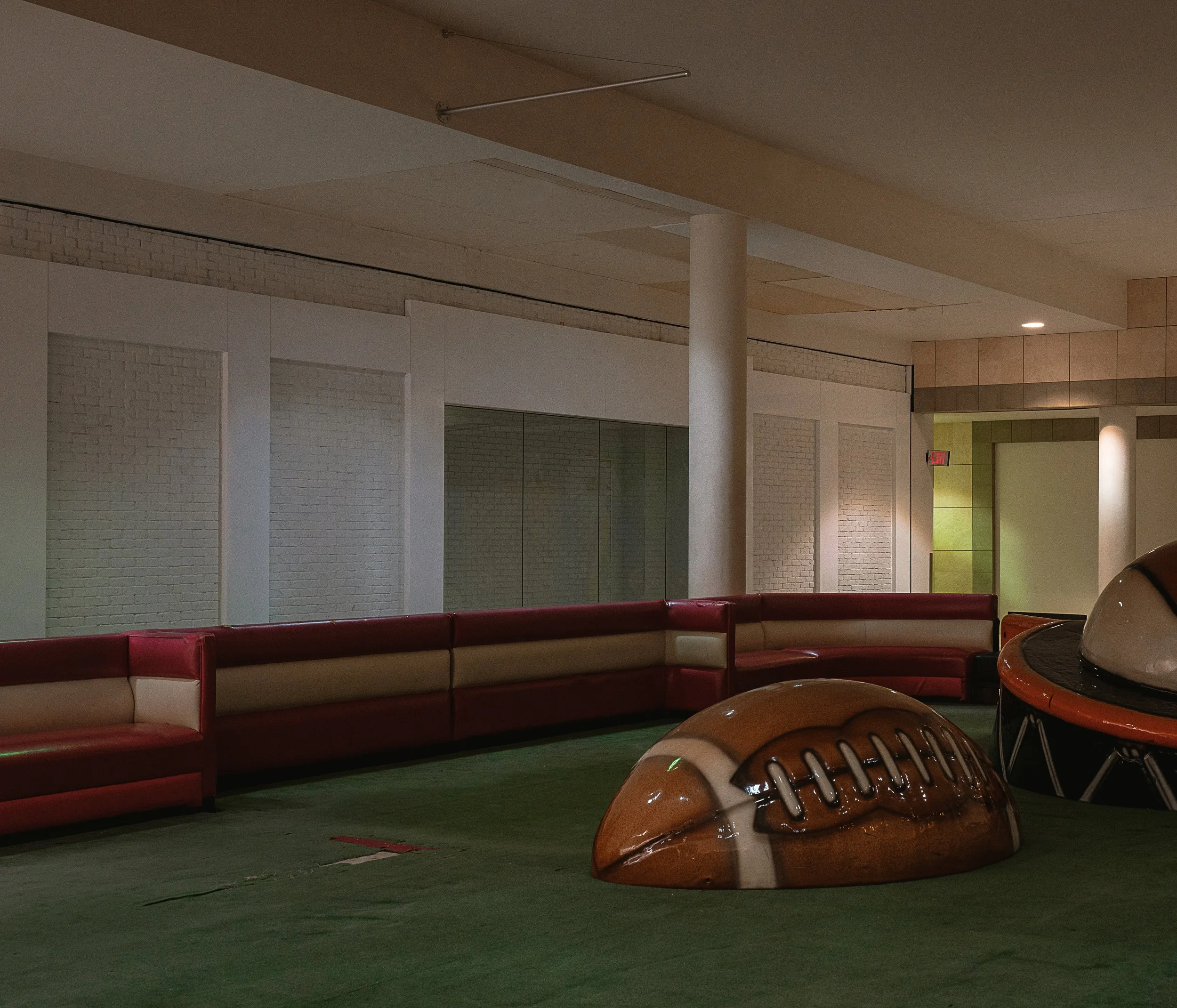
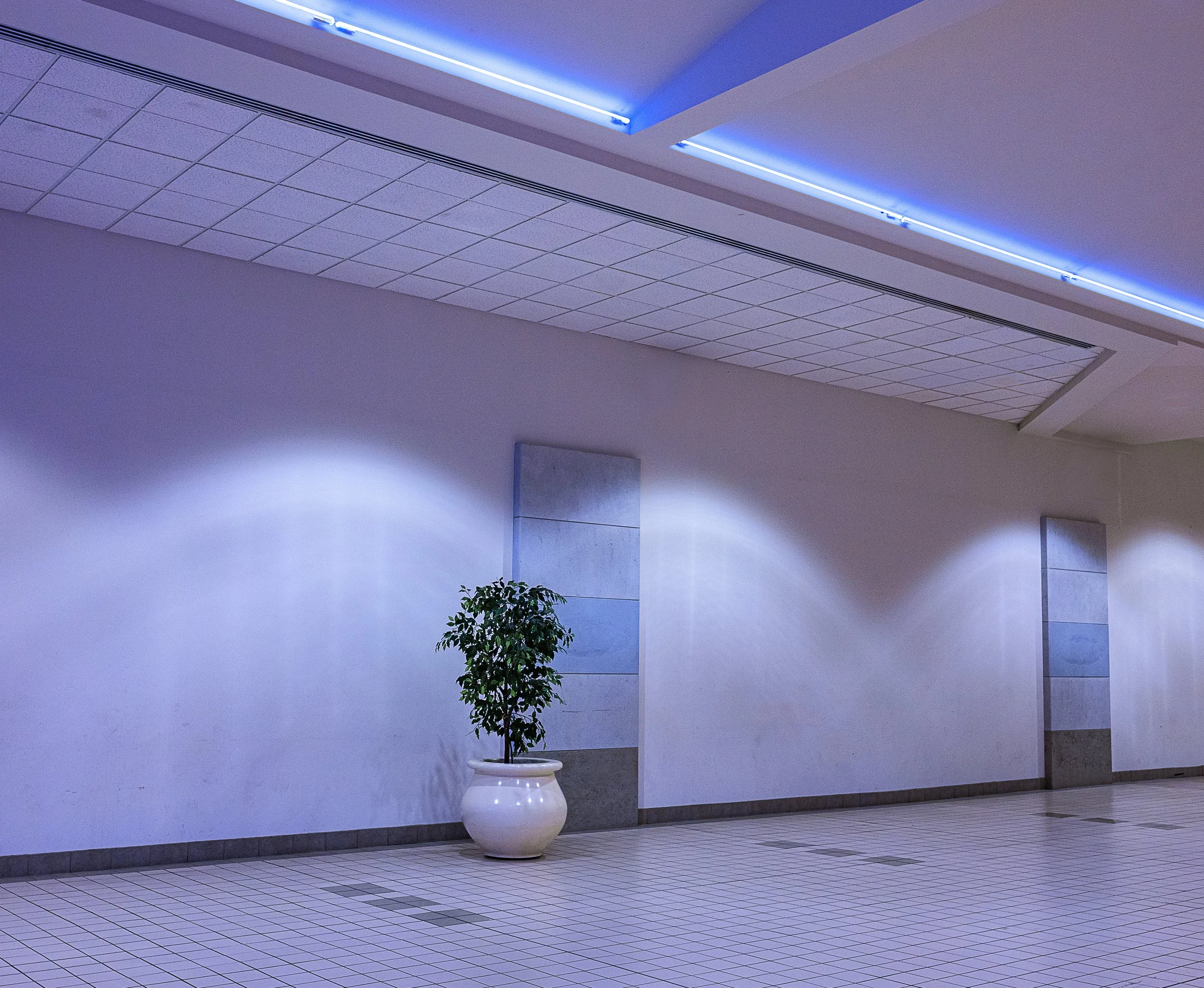
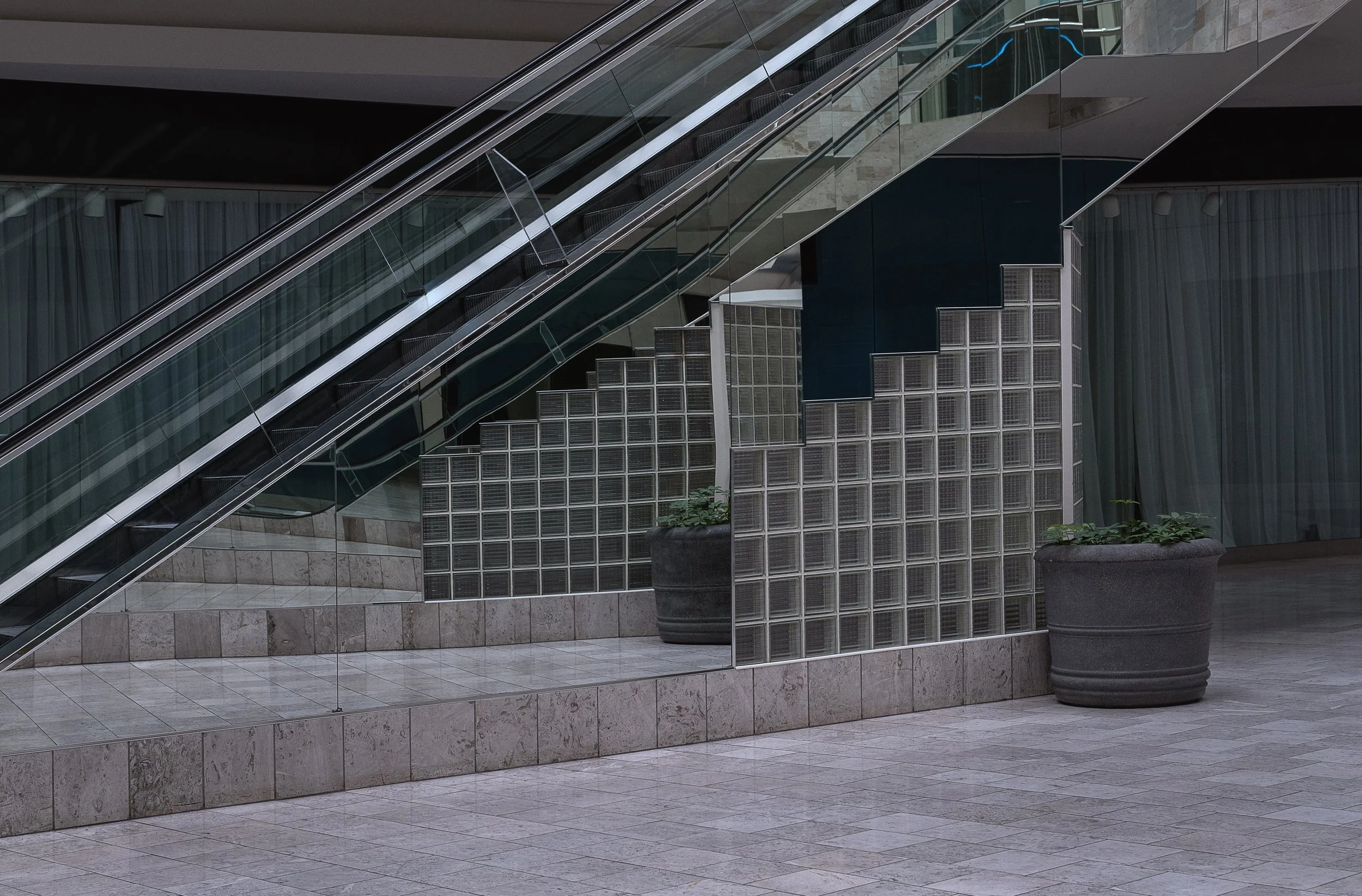
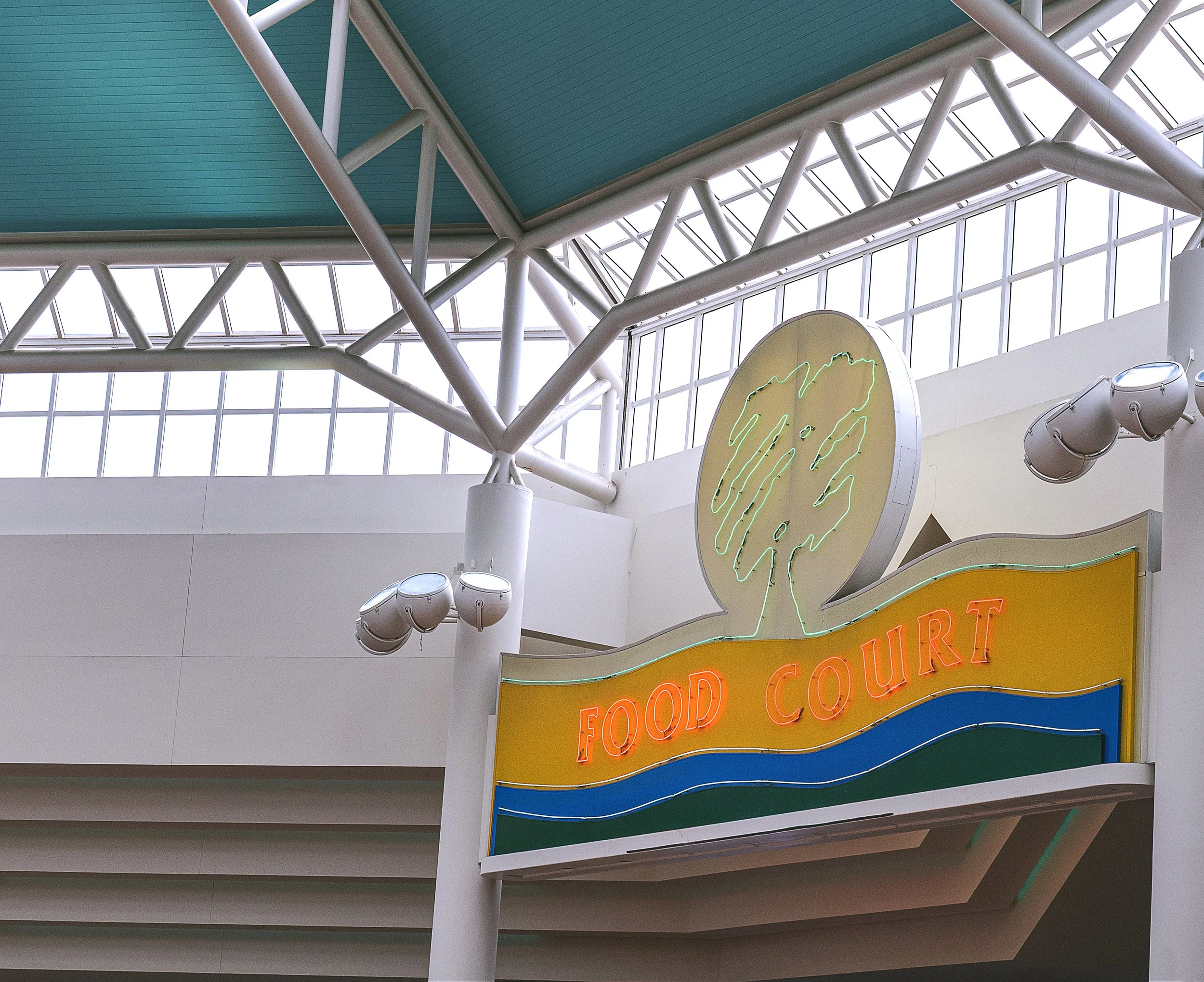
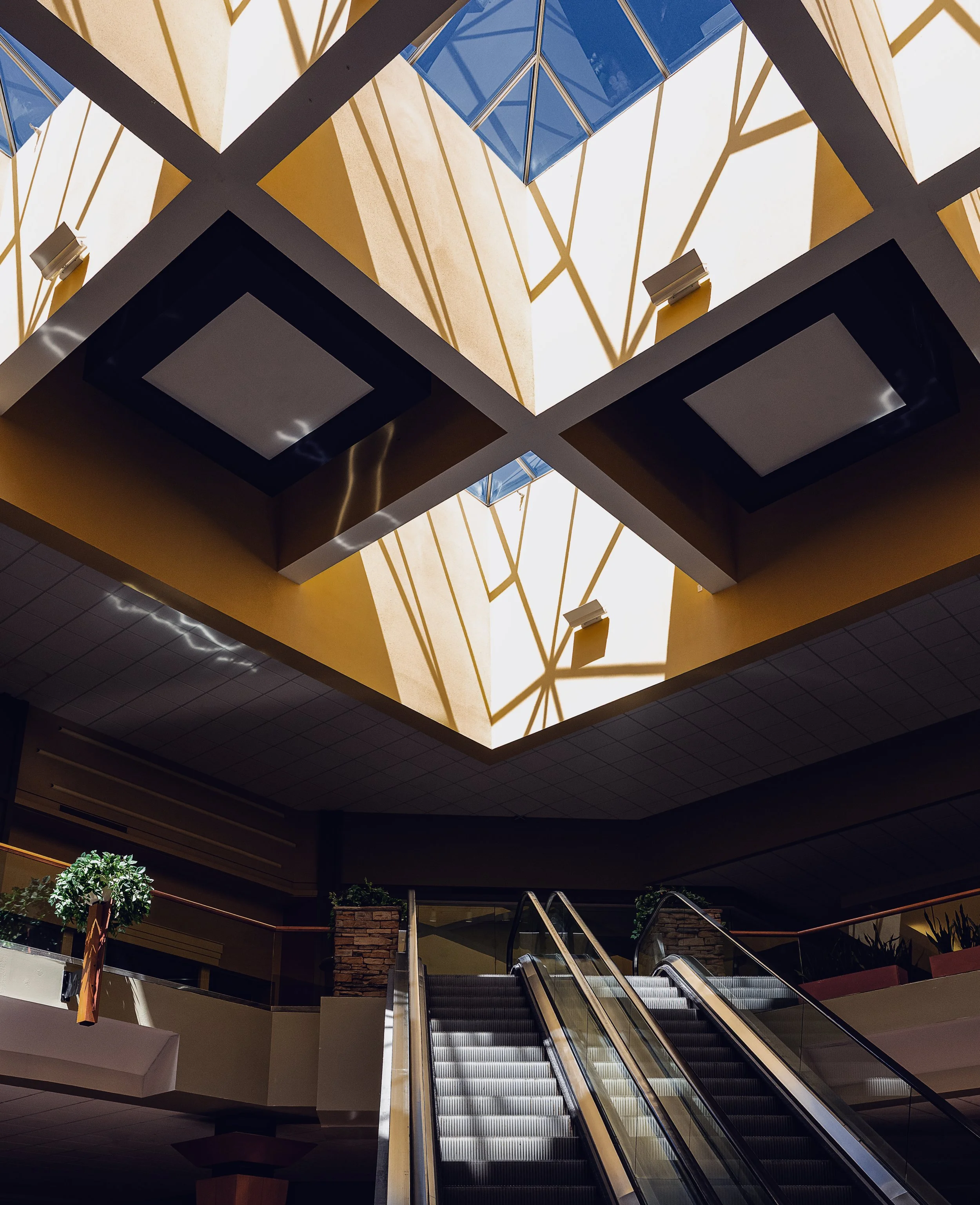
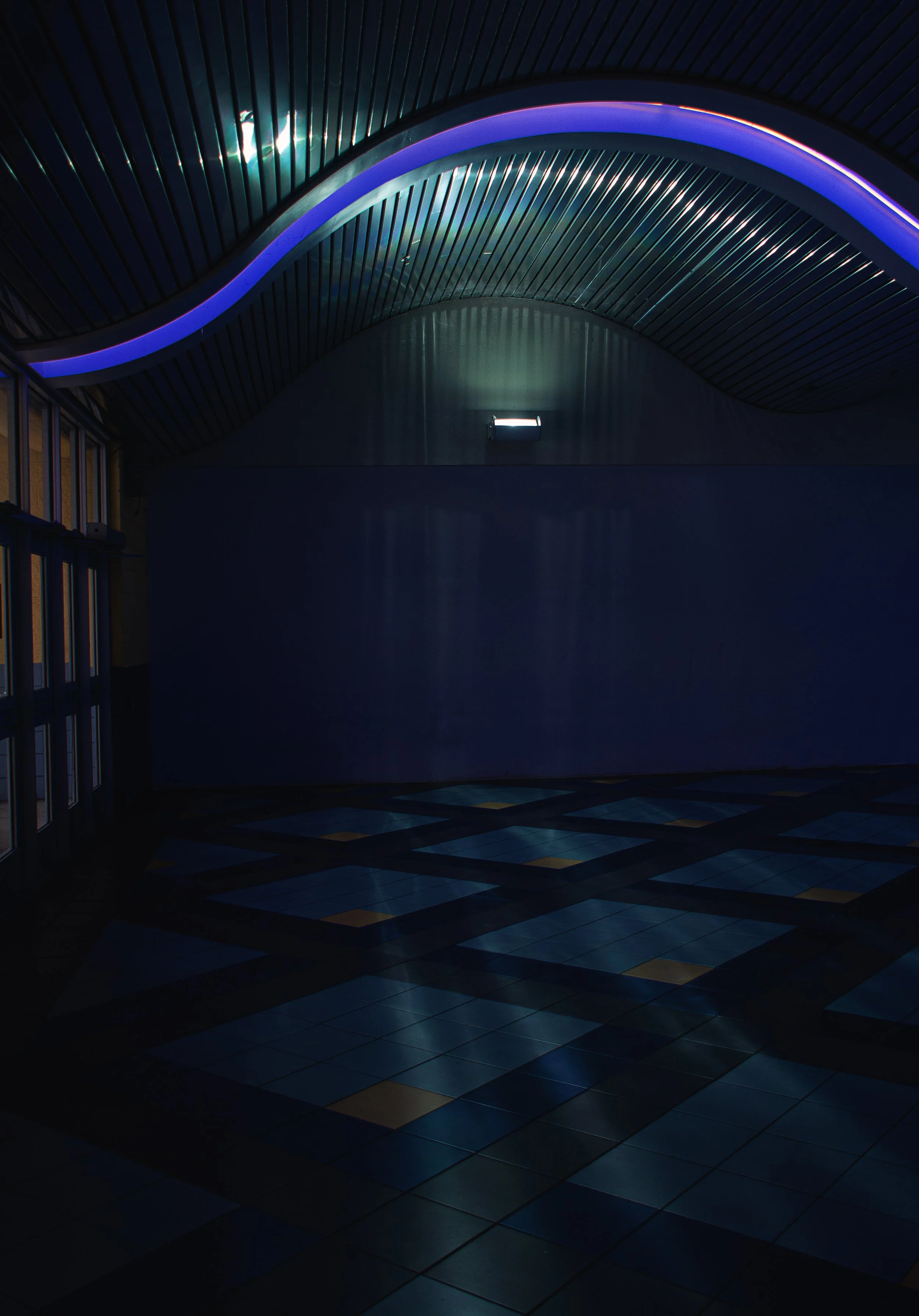
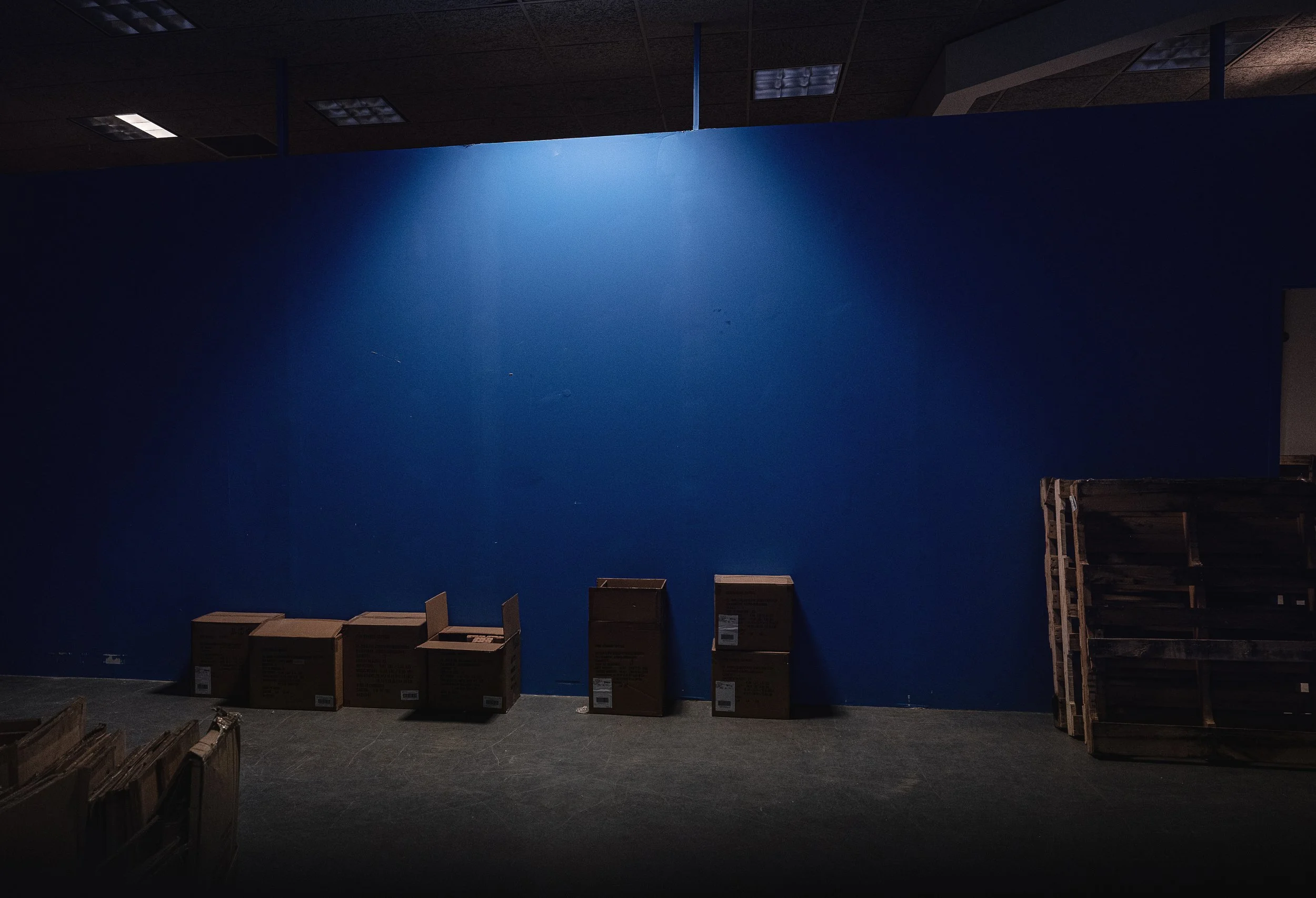
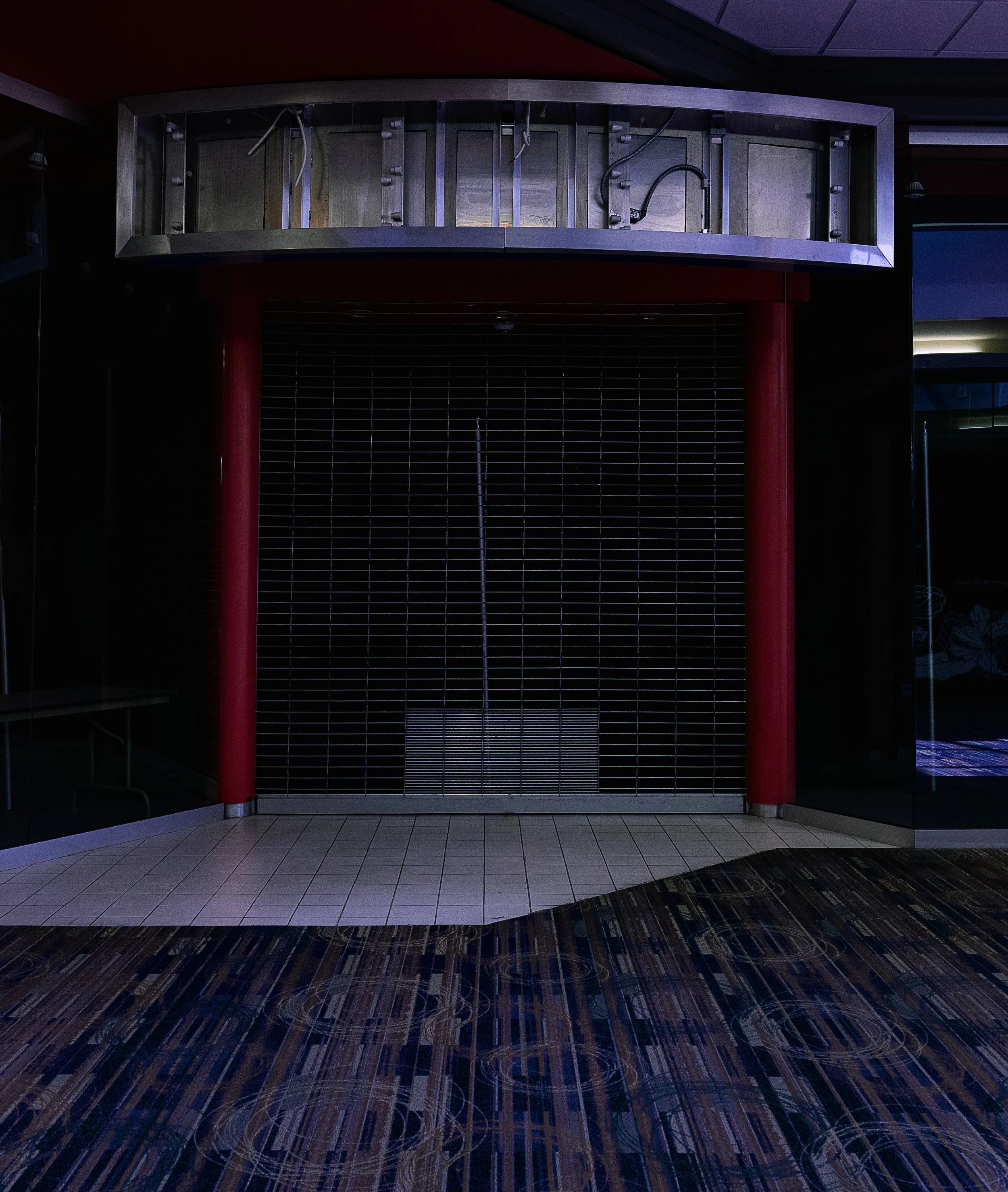
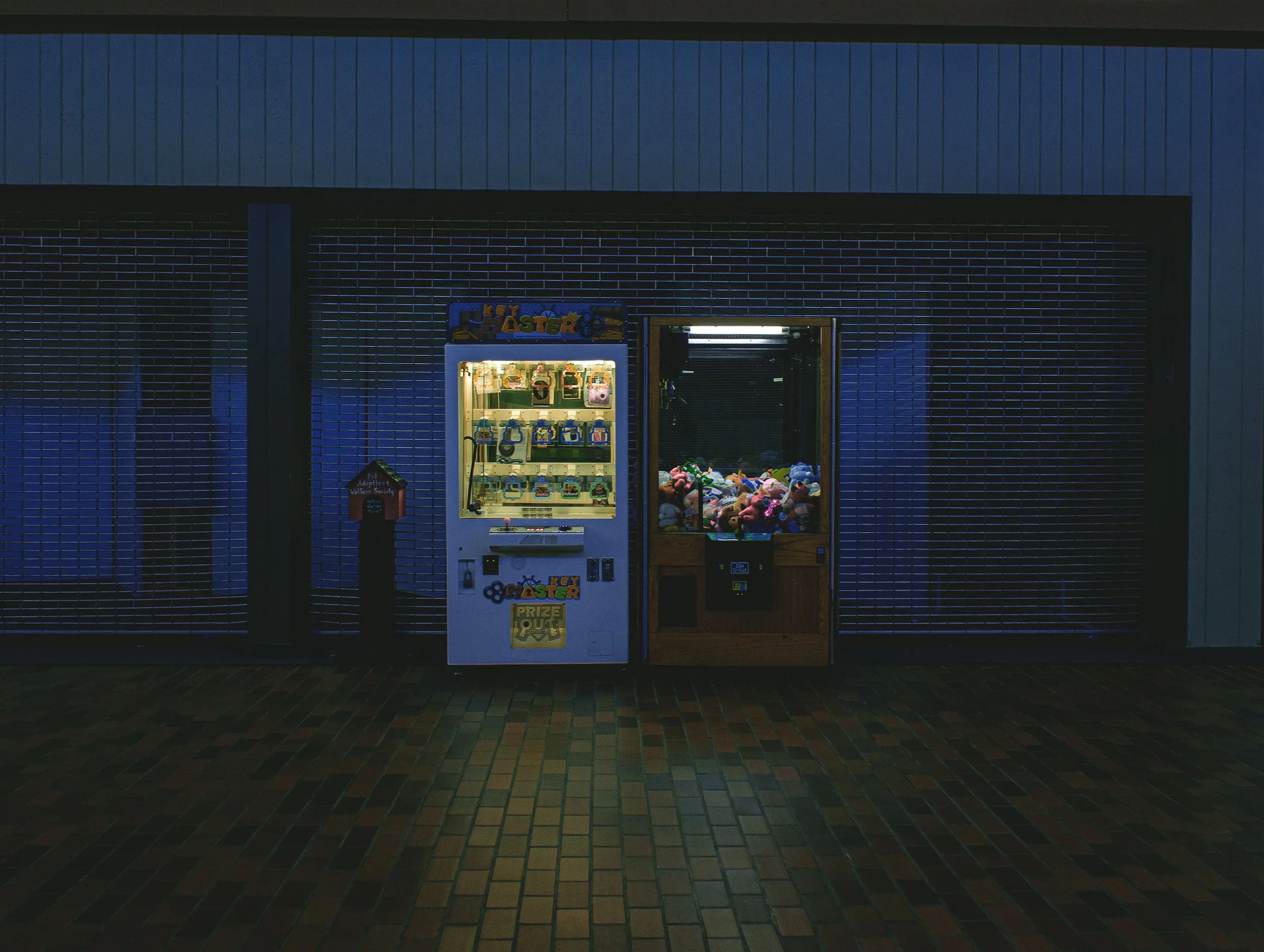
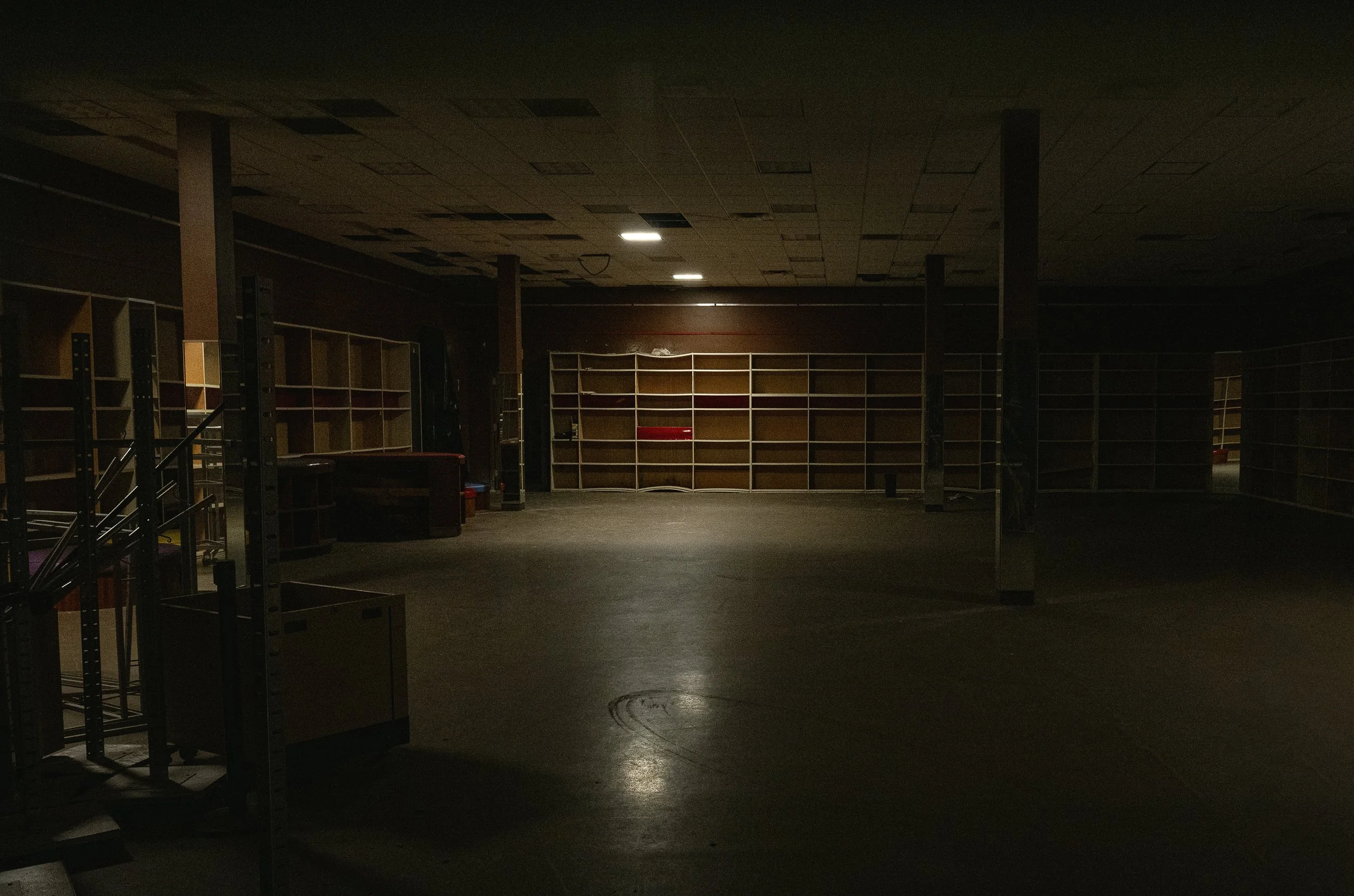
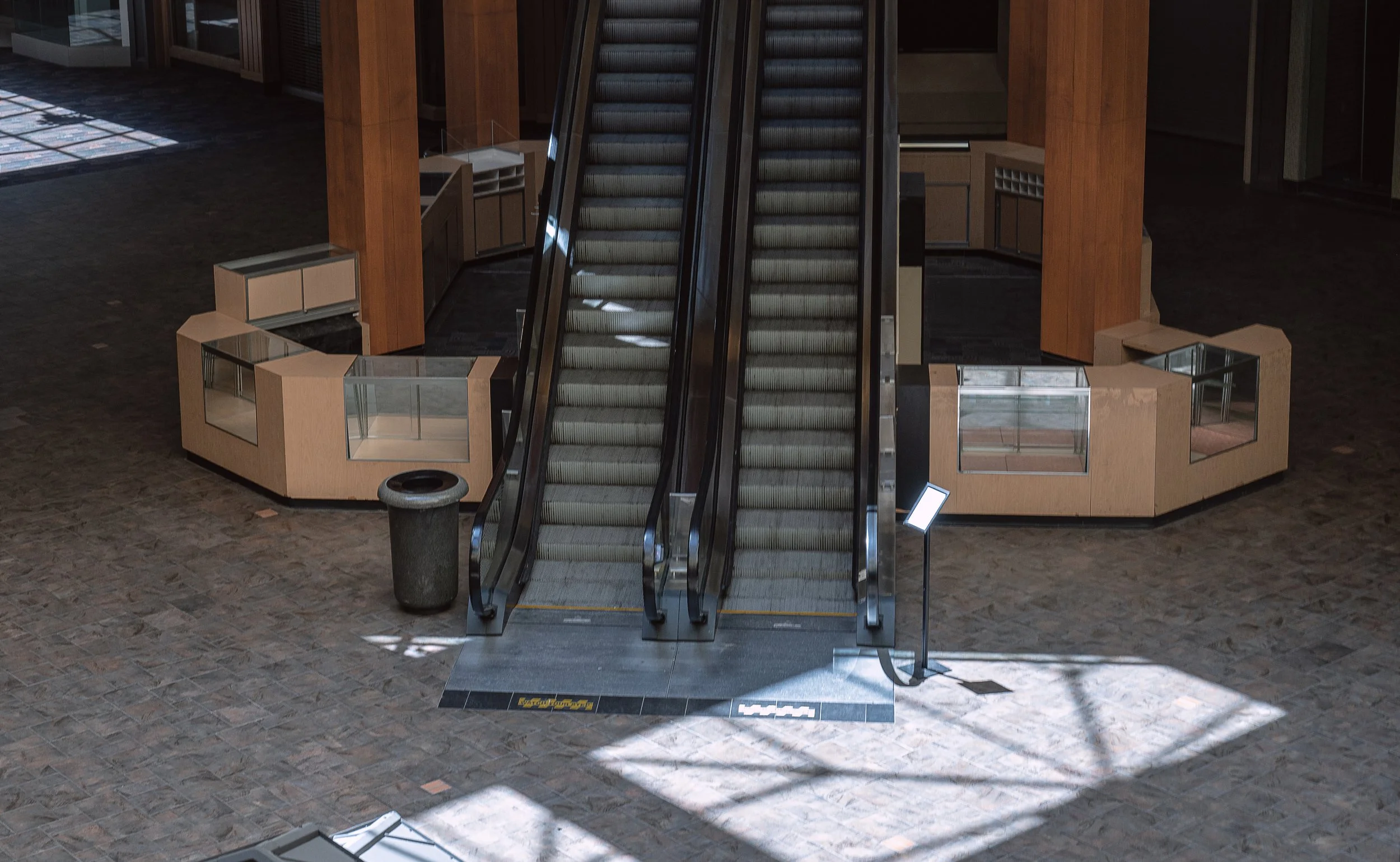
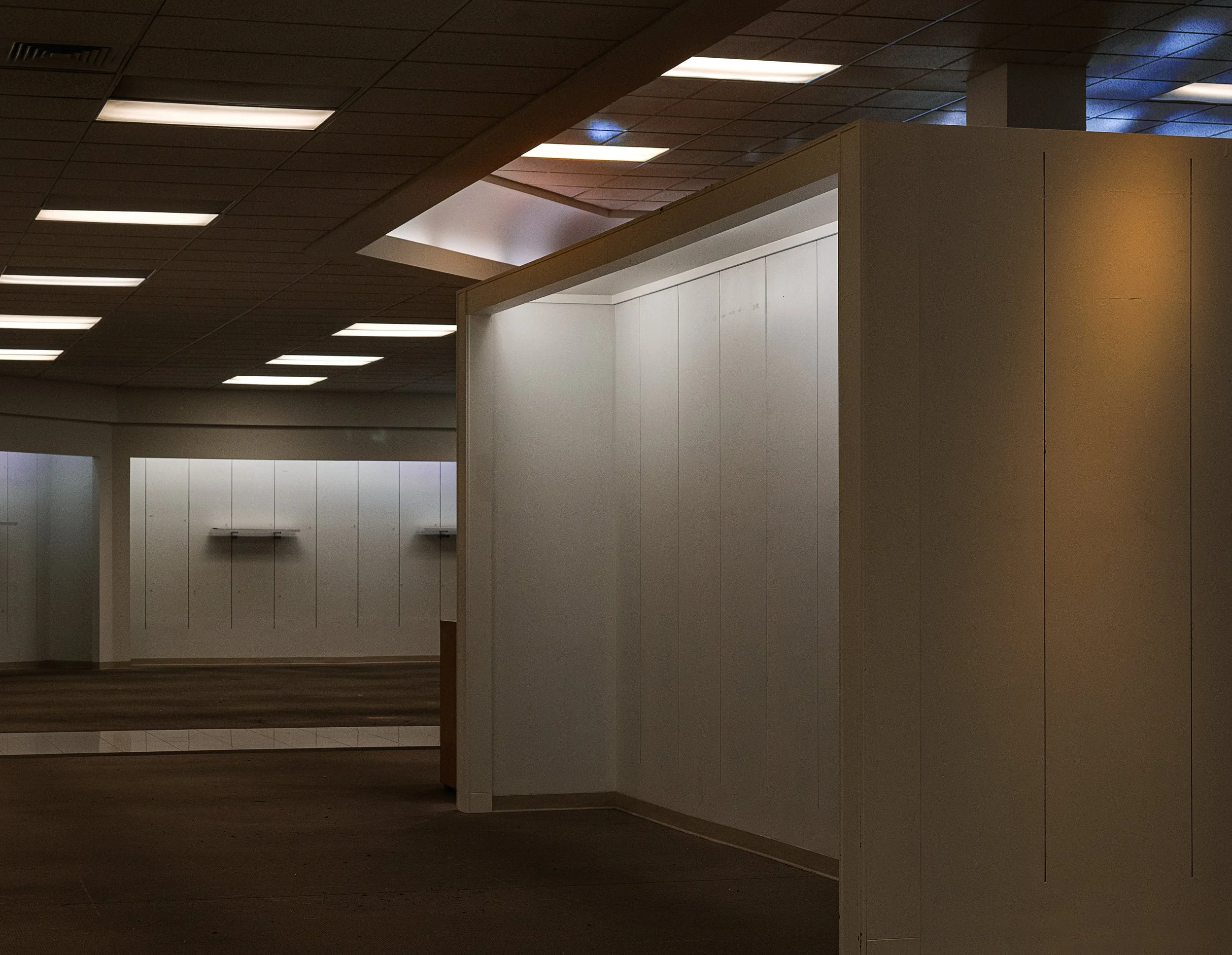
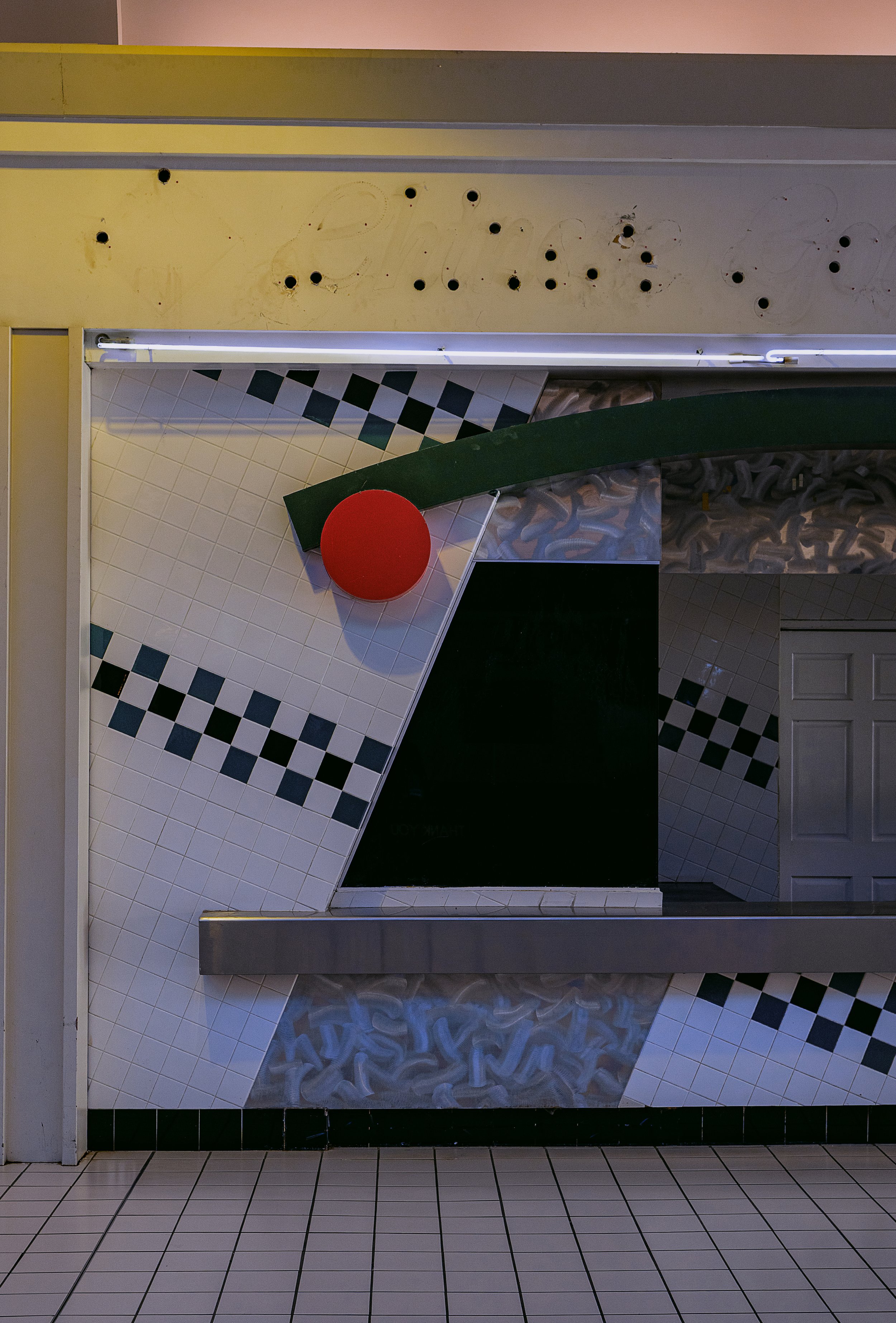
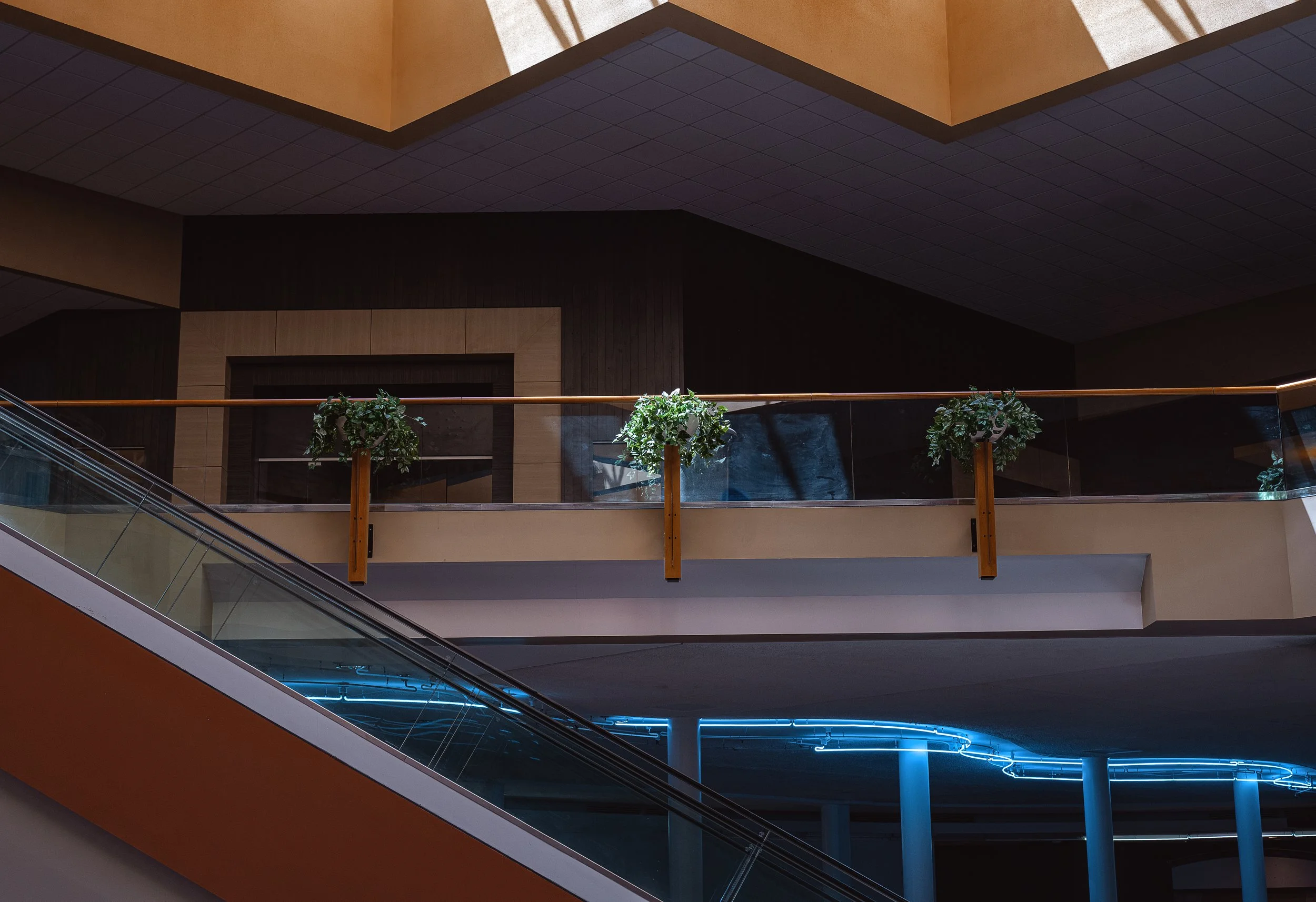
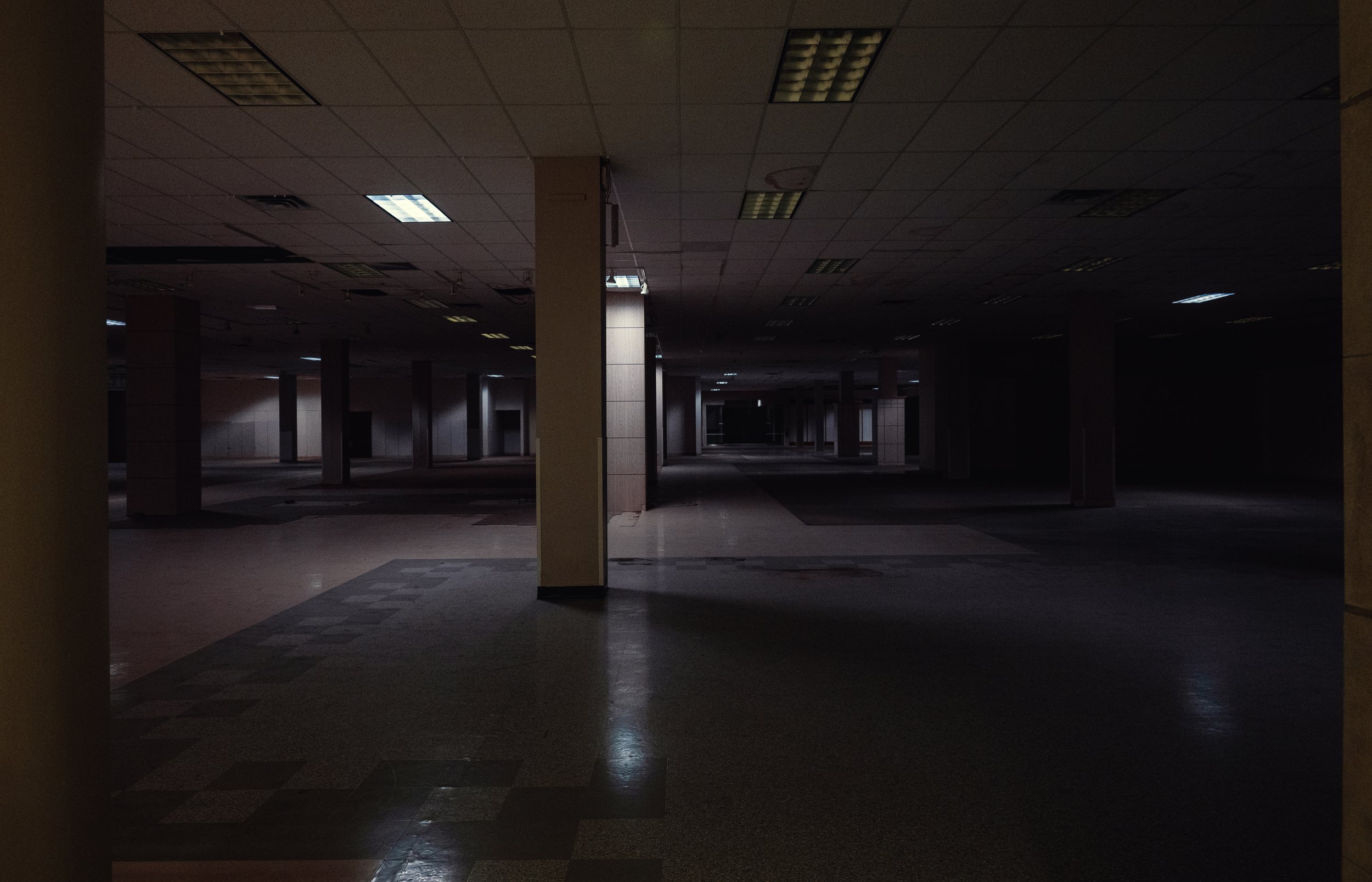
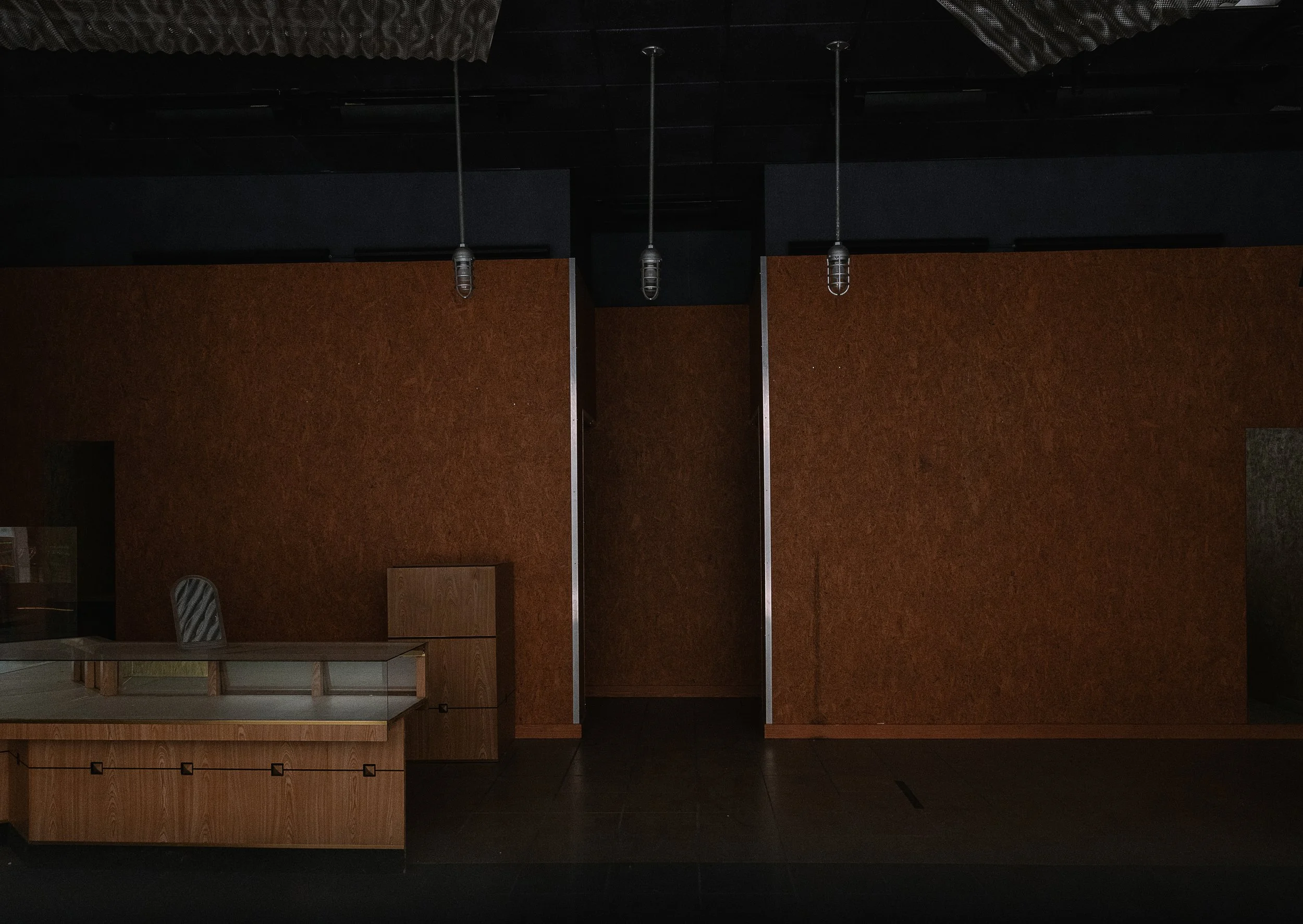
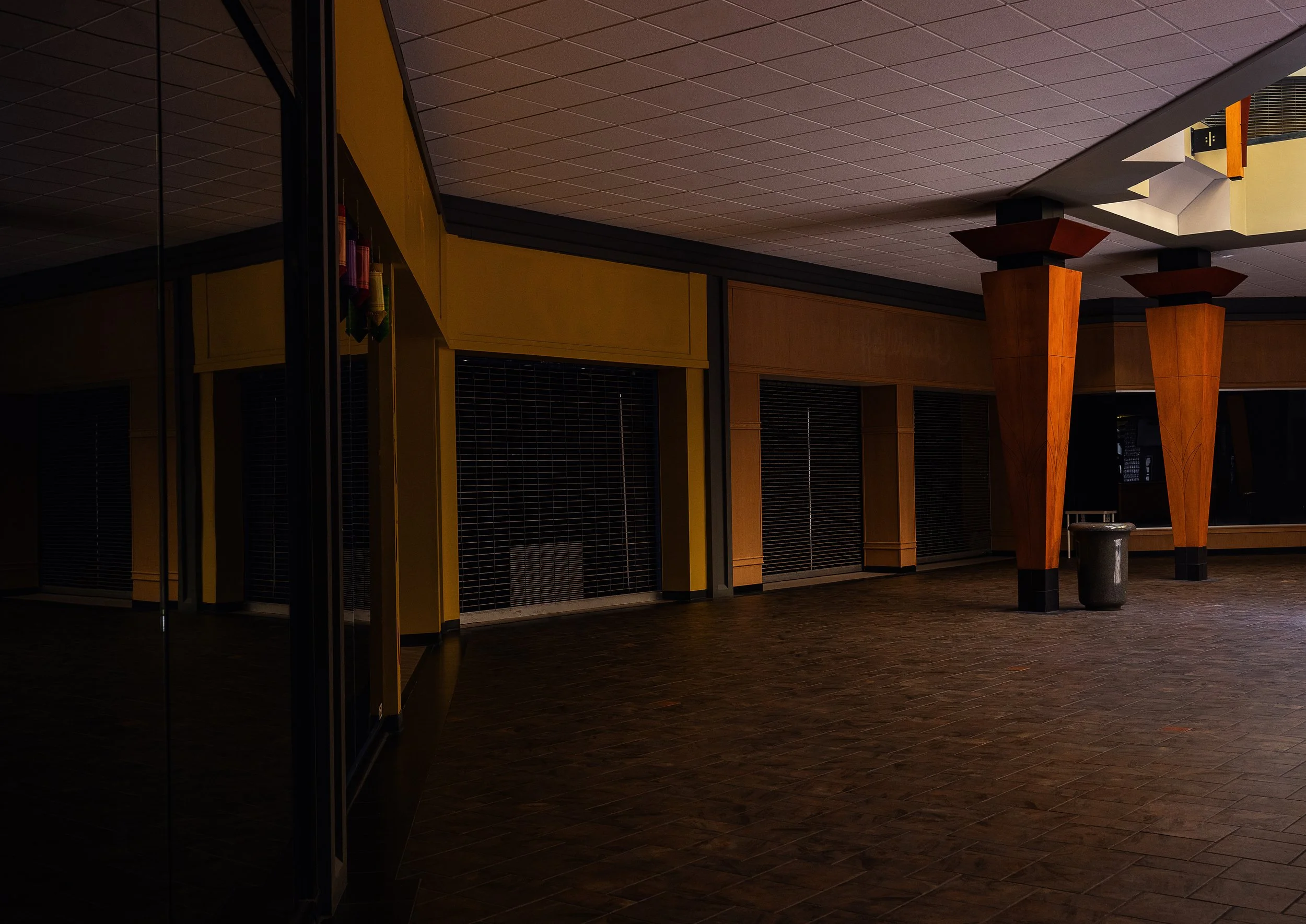
In an uncertain present, nostalgia is potent for America’s mall culture of the 1980s and 90s. Economic booms and optimistic consumer attitudes were reflected in the candy colored storefronts at buzzing multi-story shopping complexes. People fondly remember a simpler time when they gathered for all occasions at the mall.
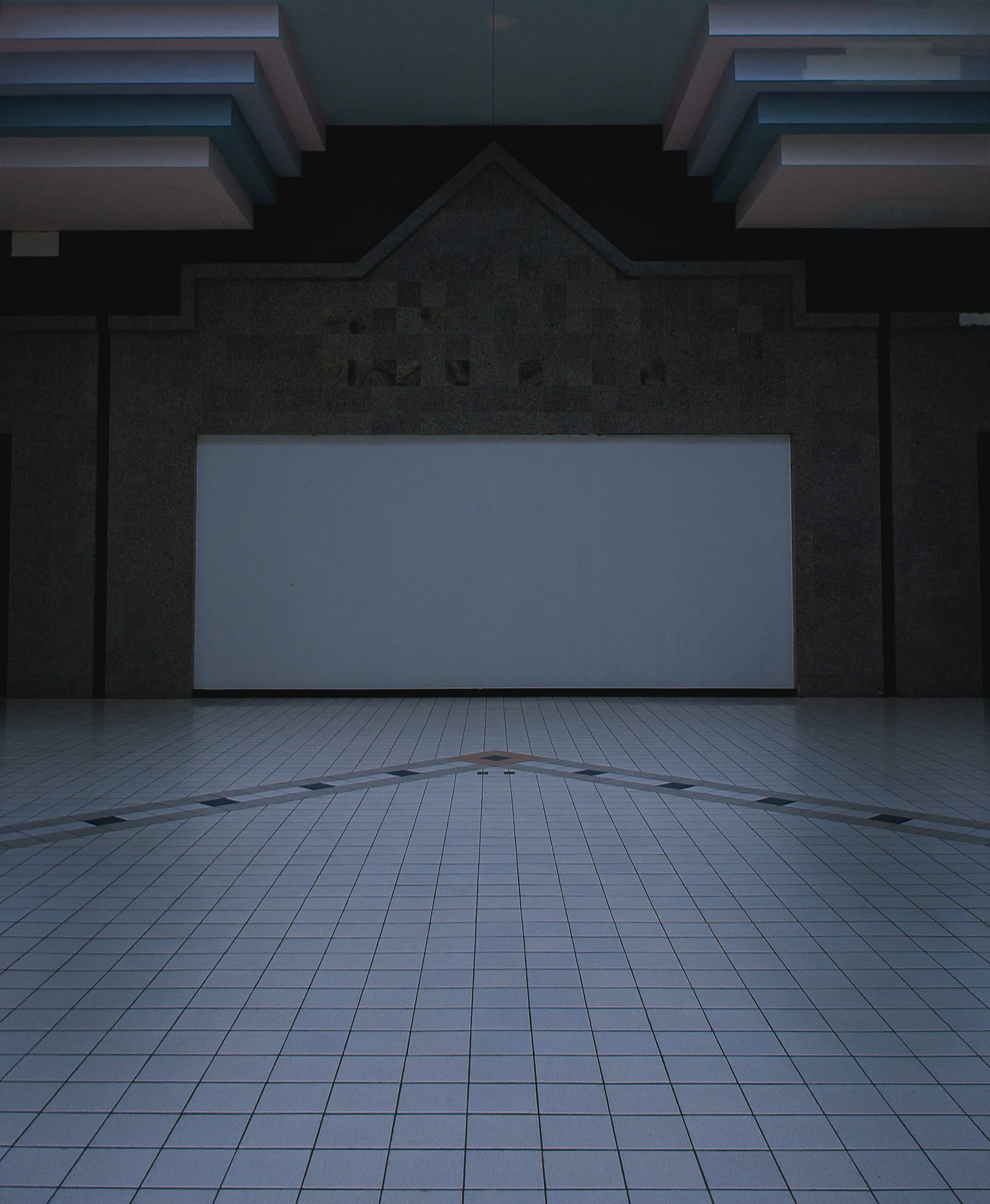
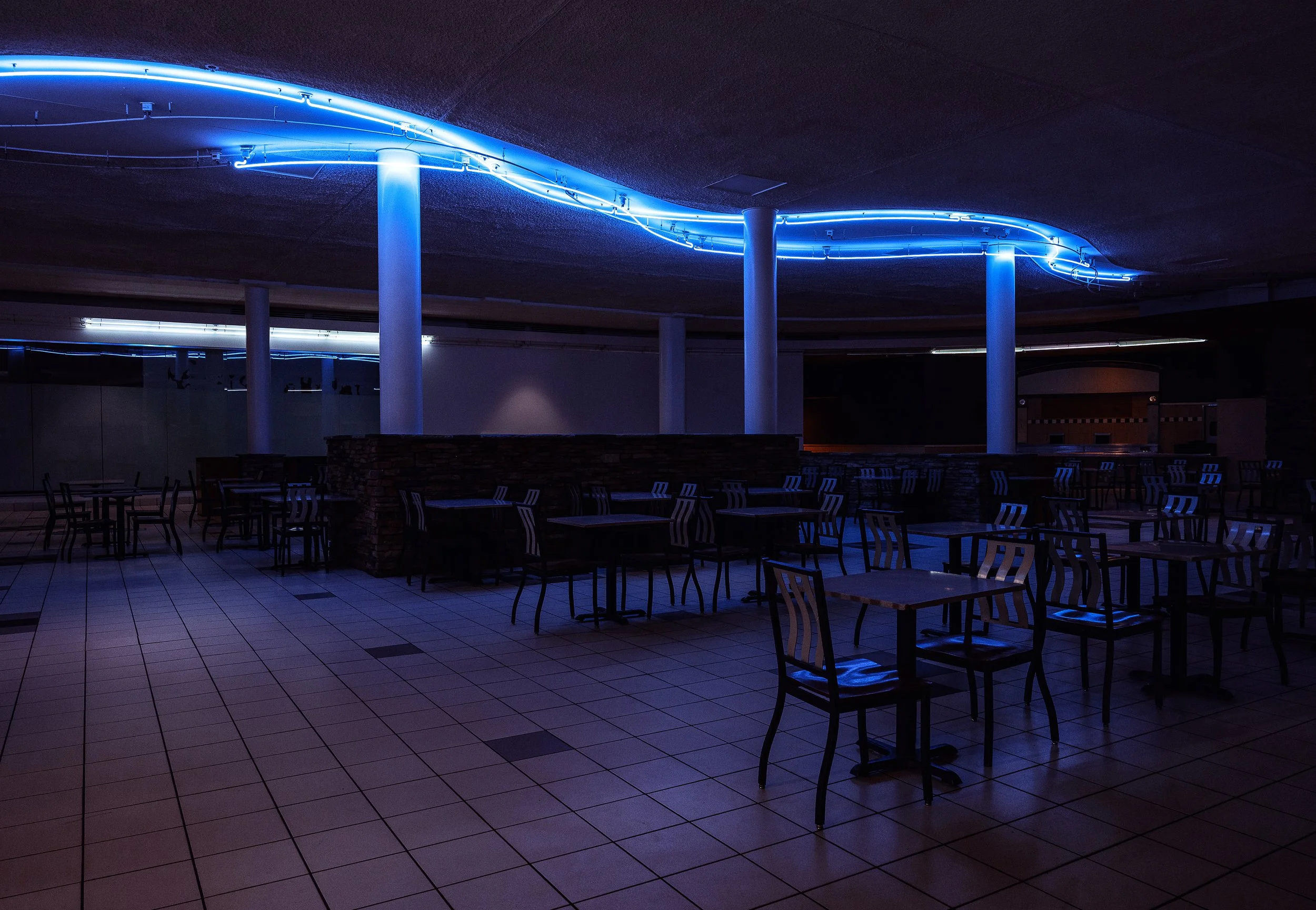
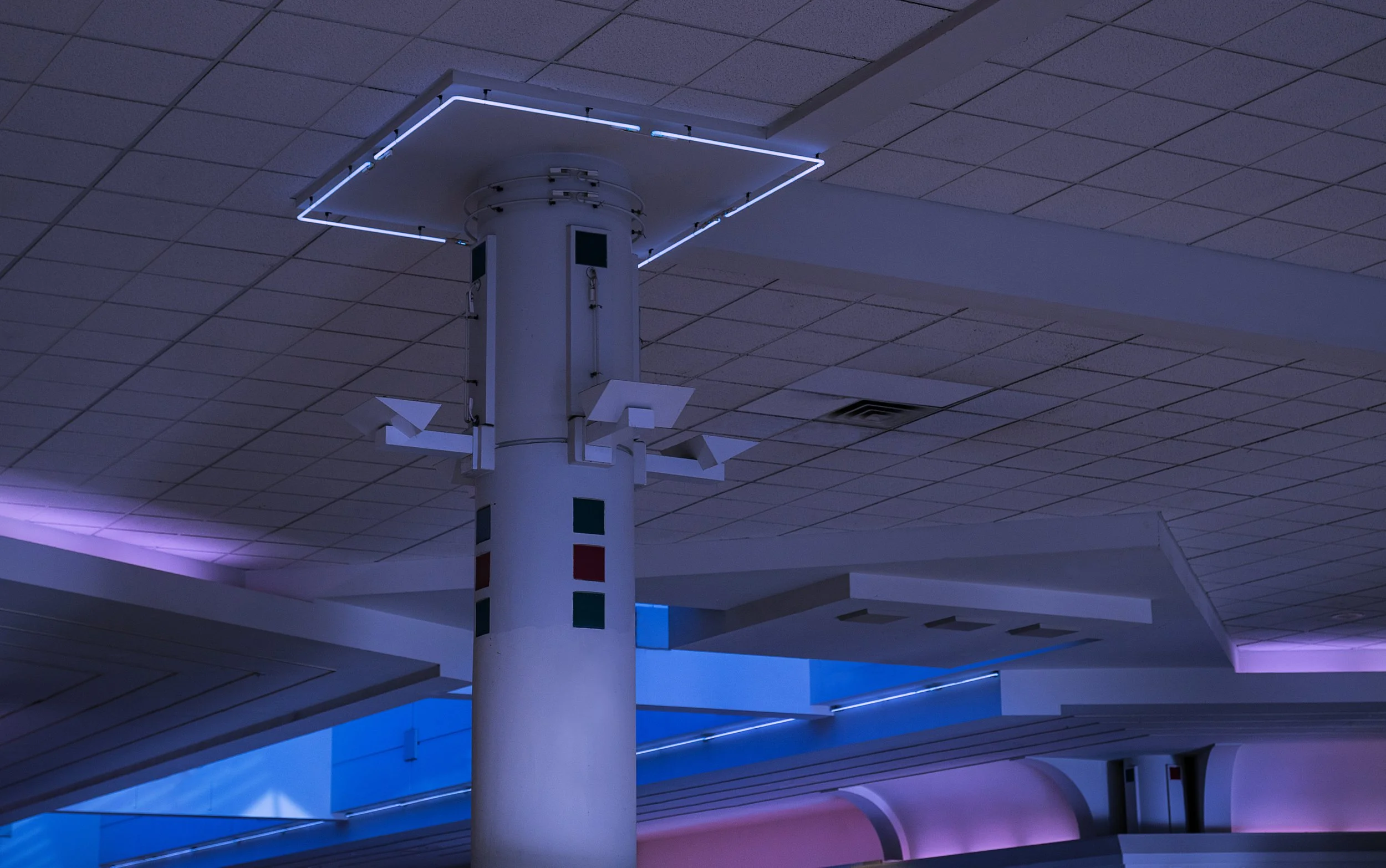
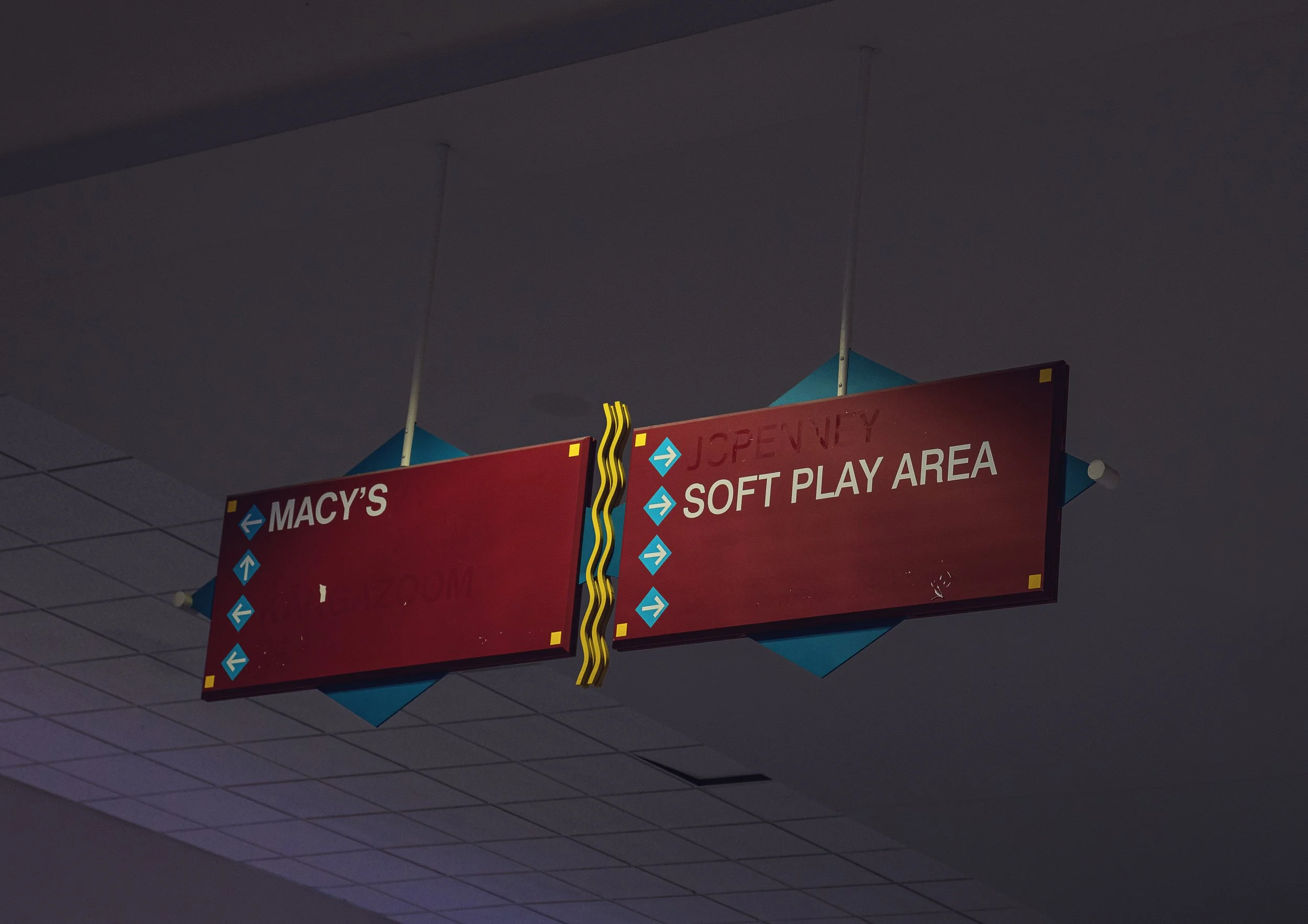
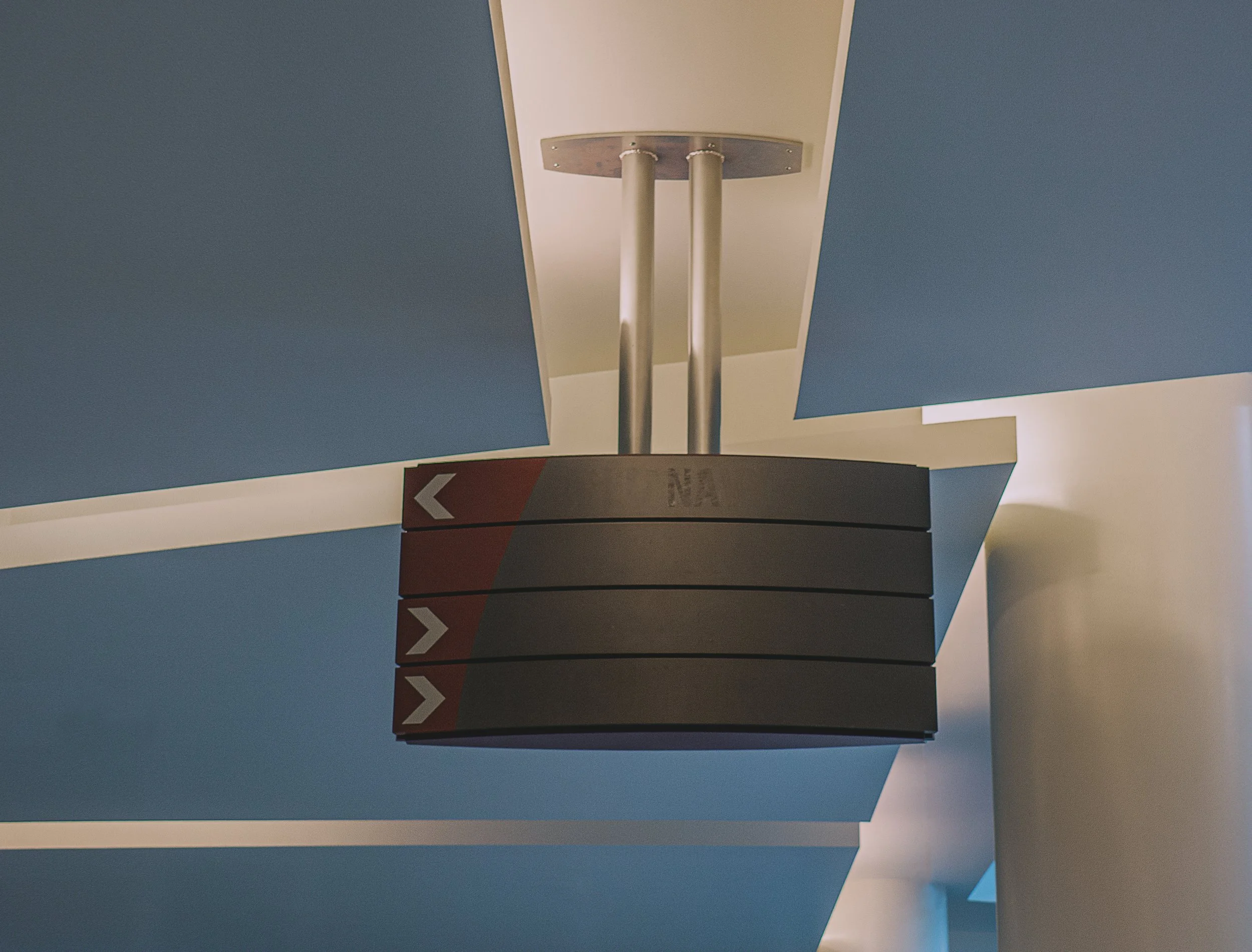
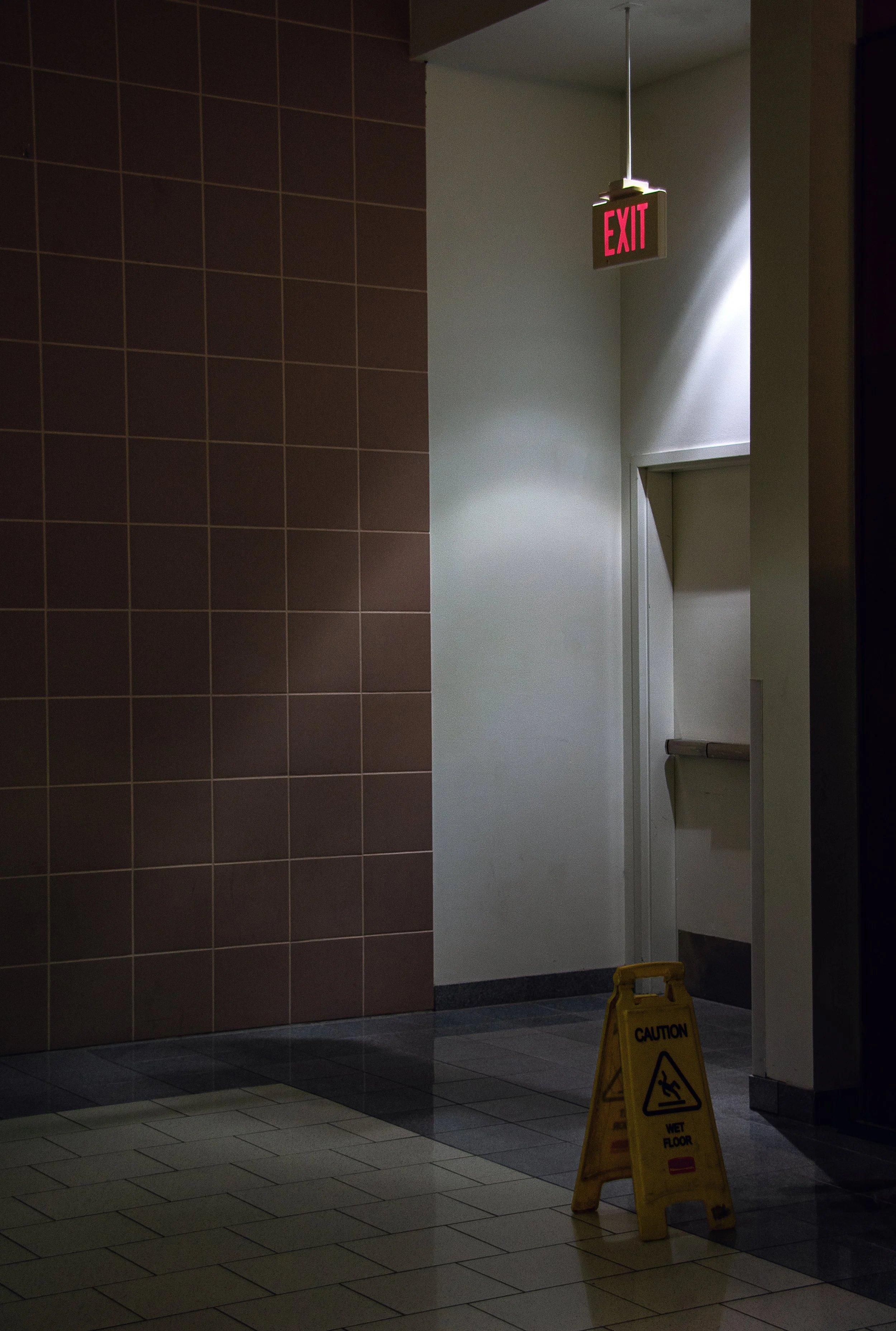
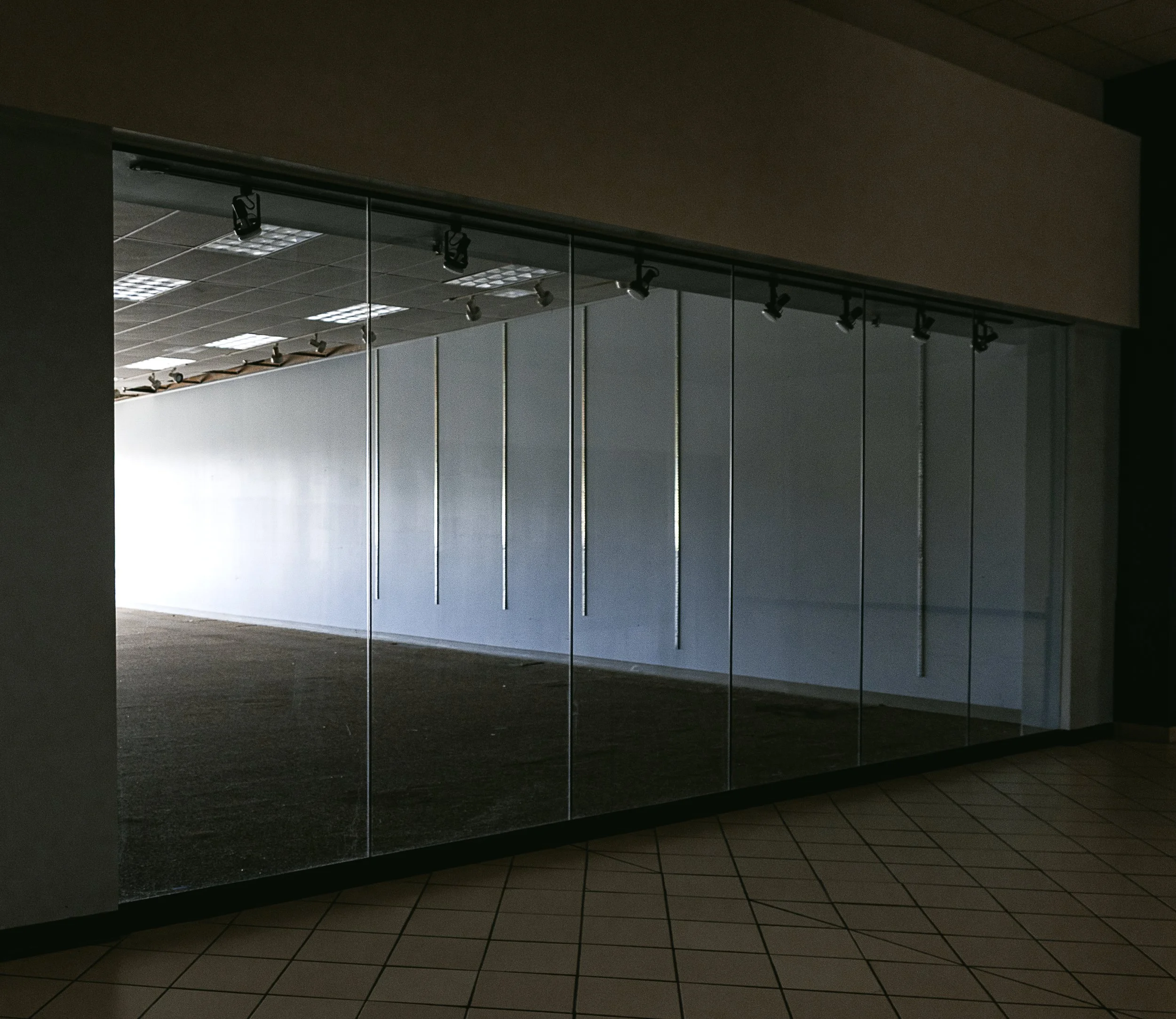
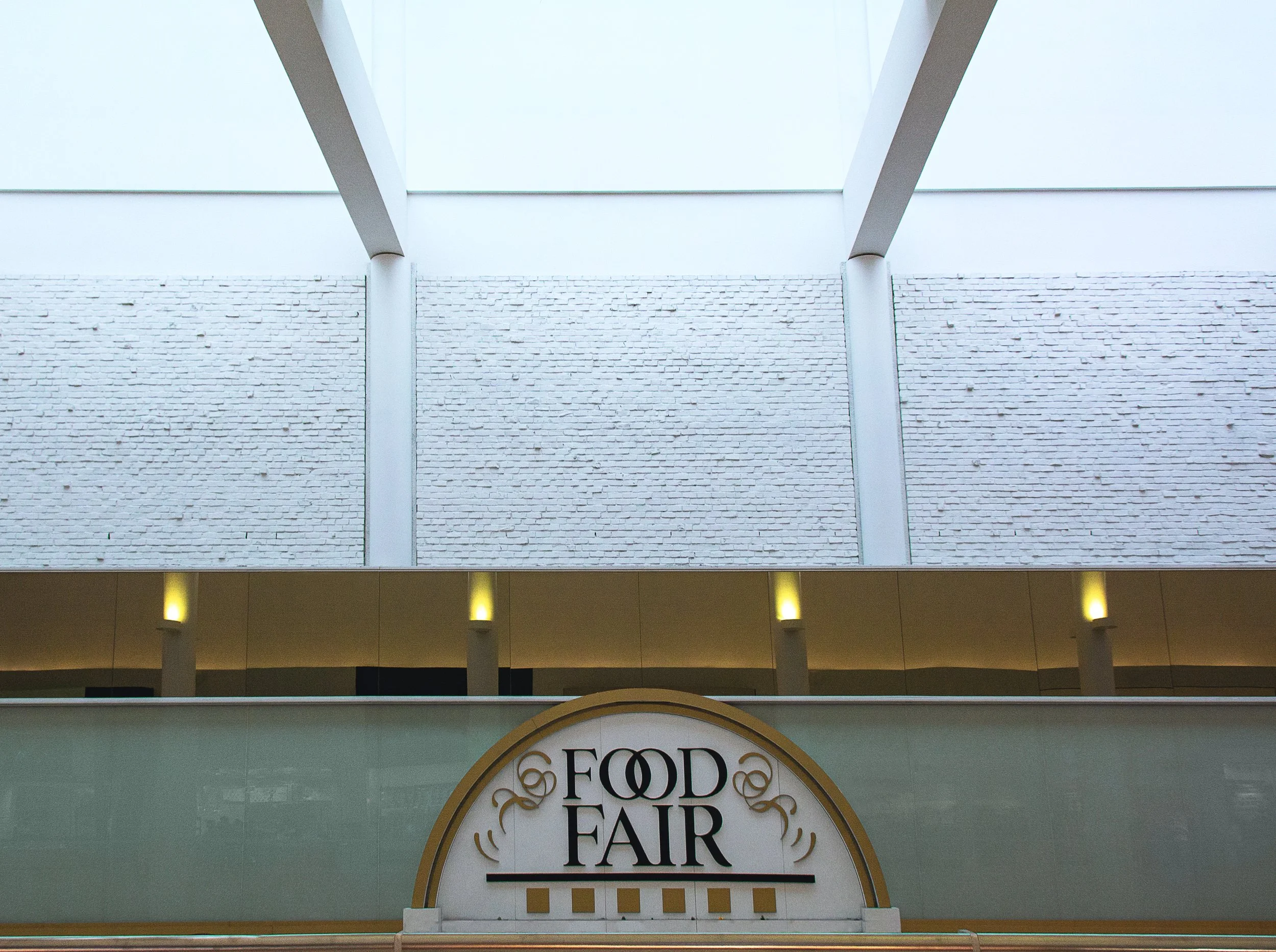
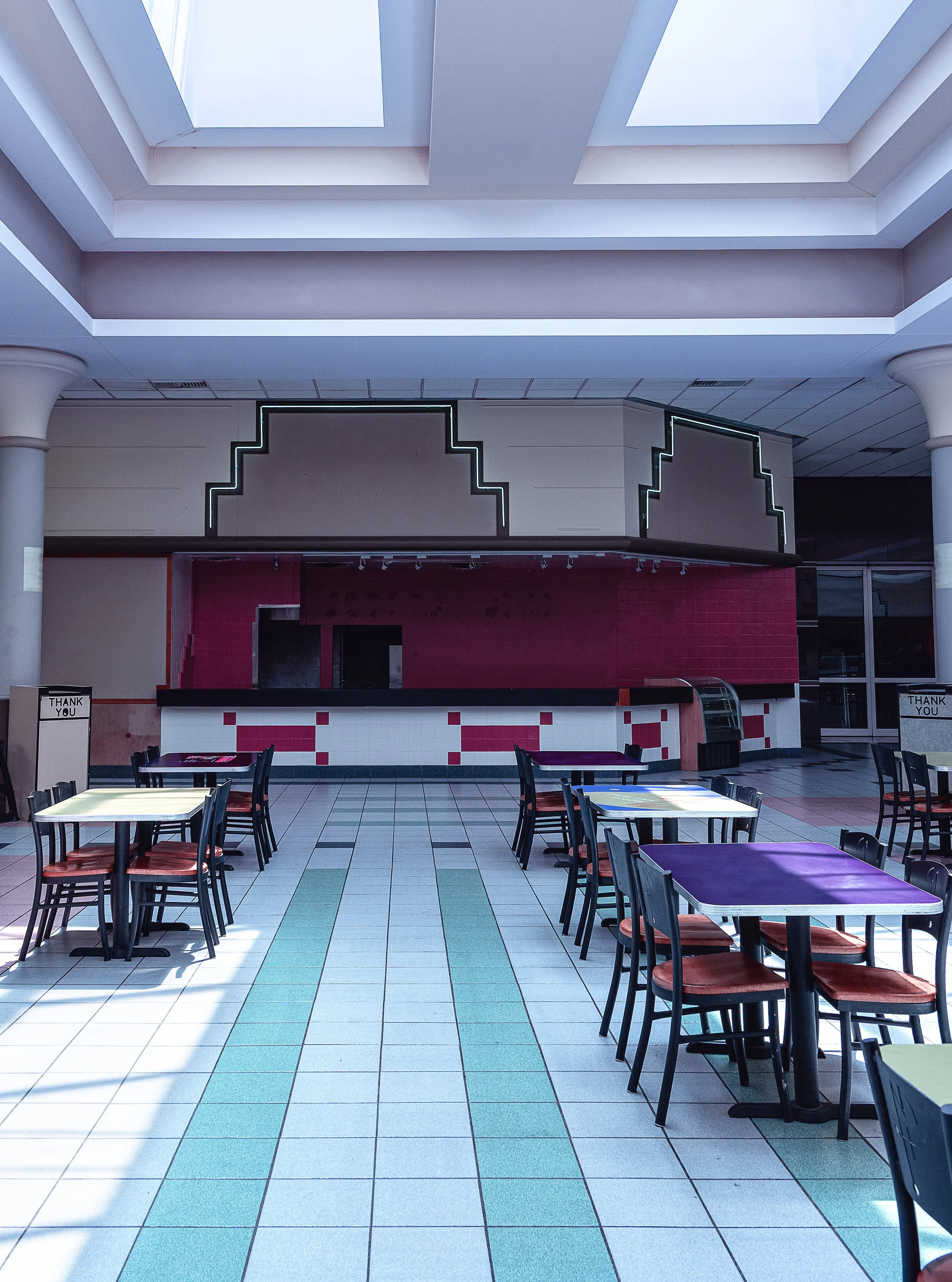
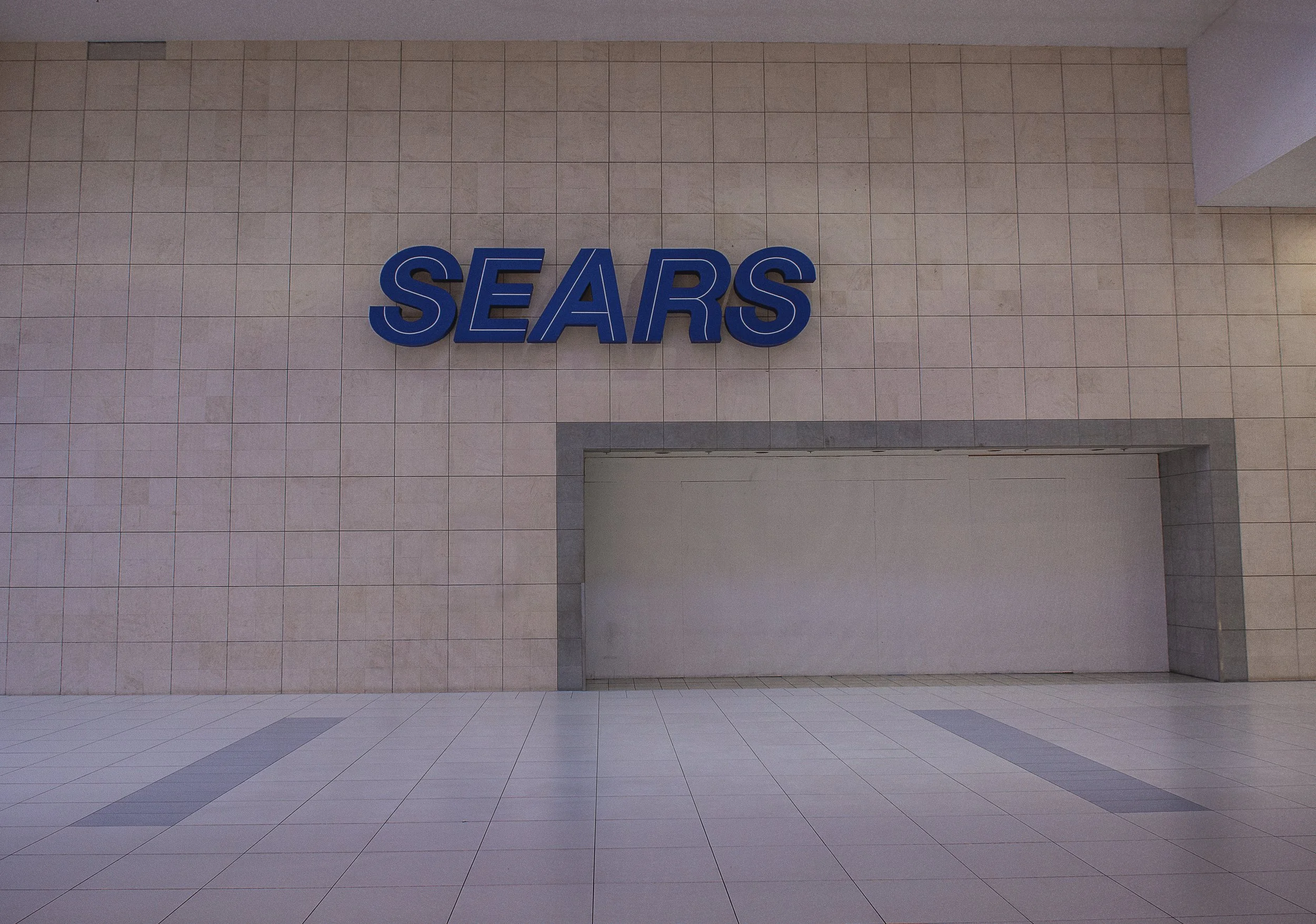
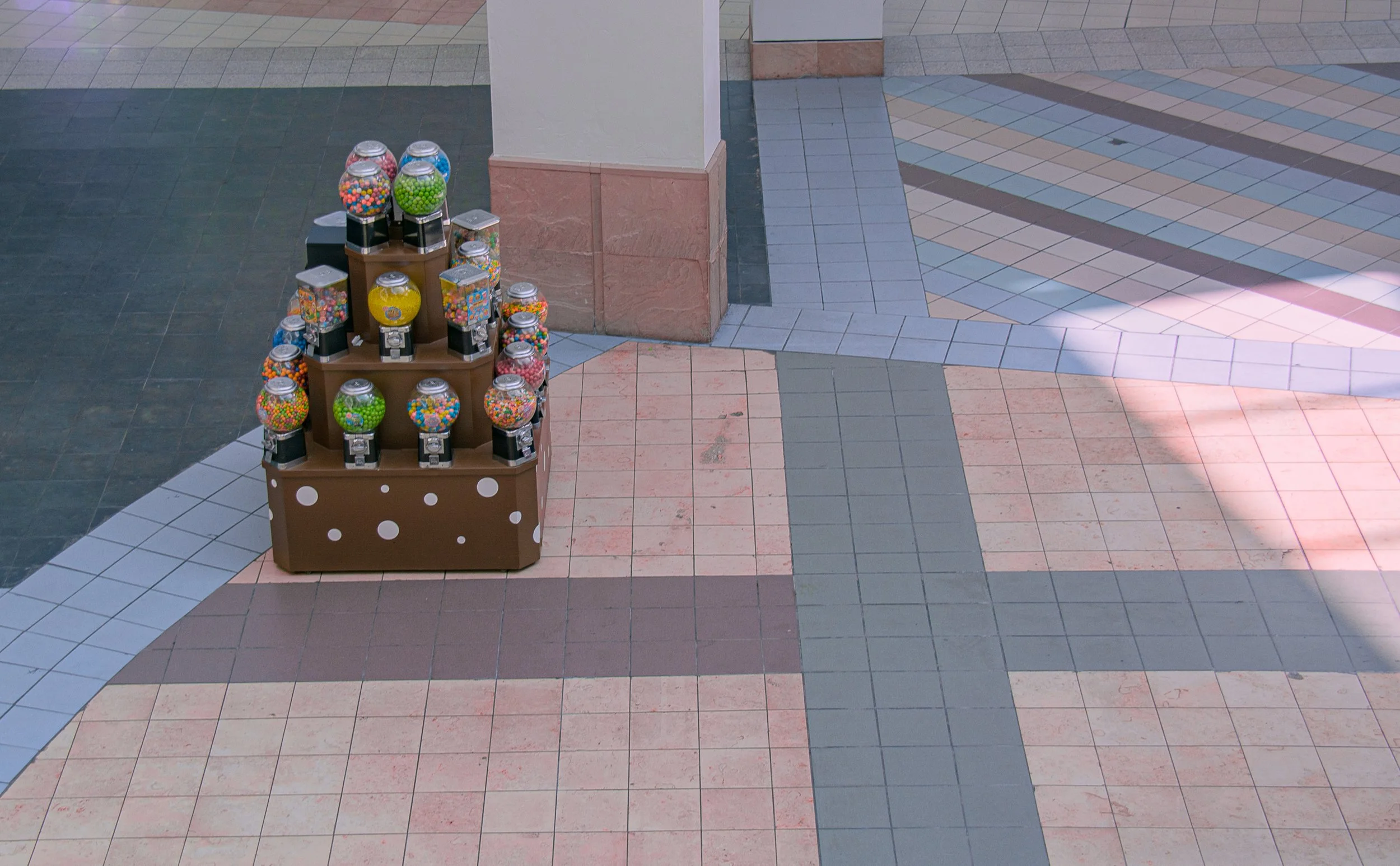
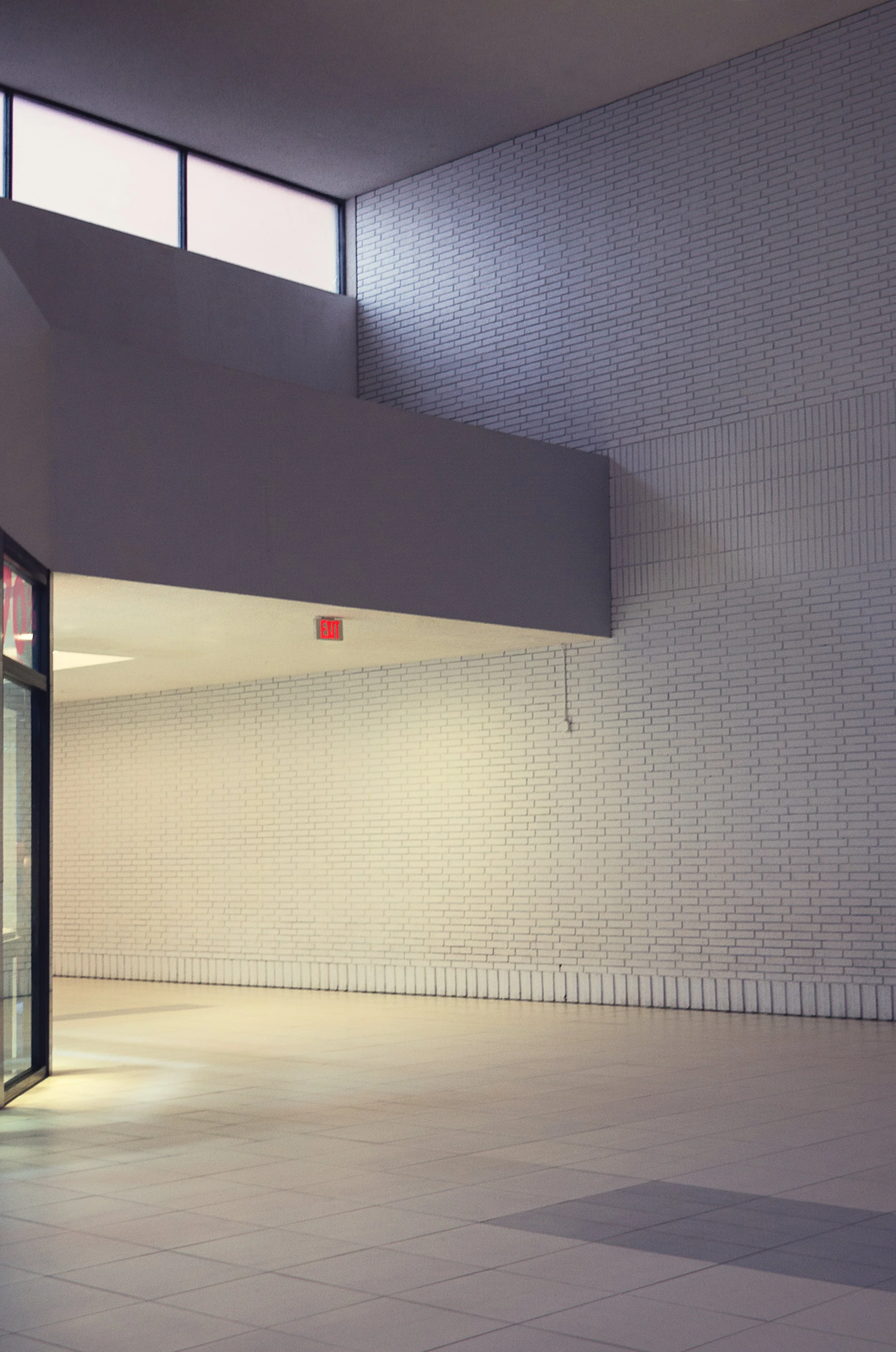
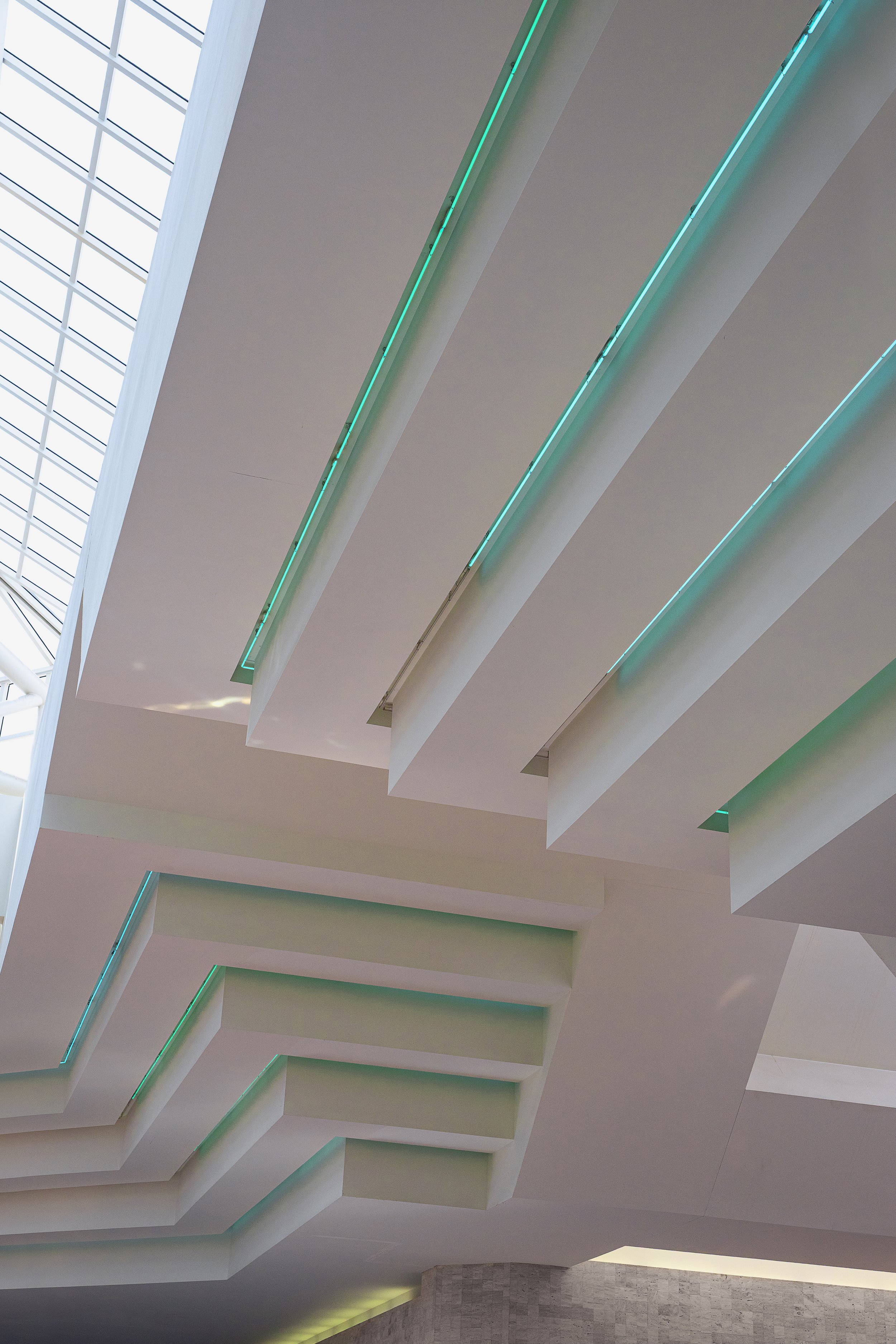
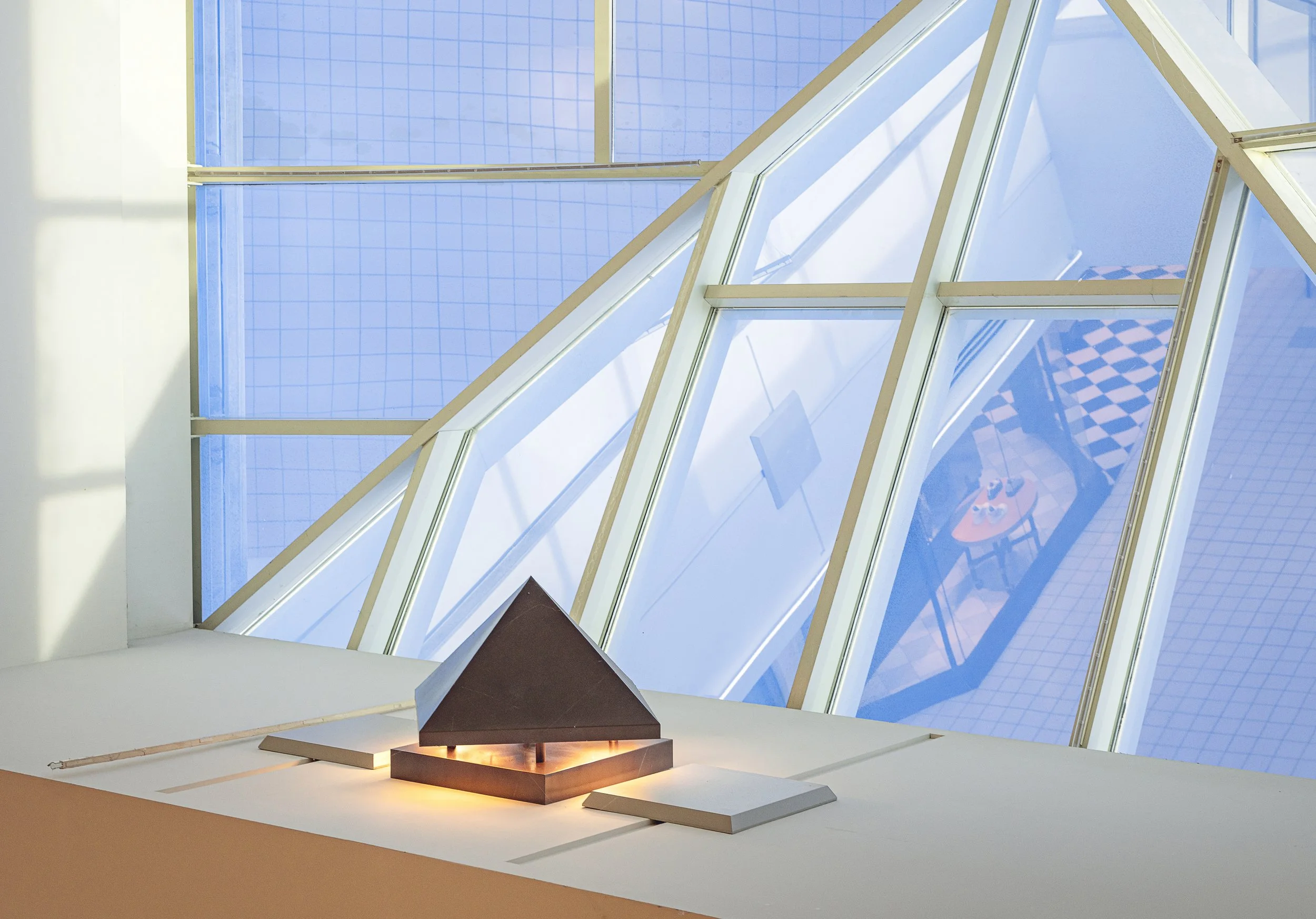
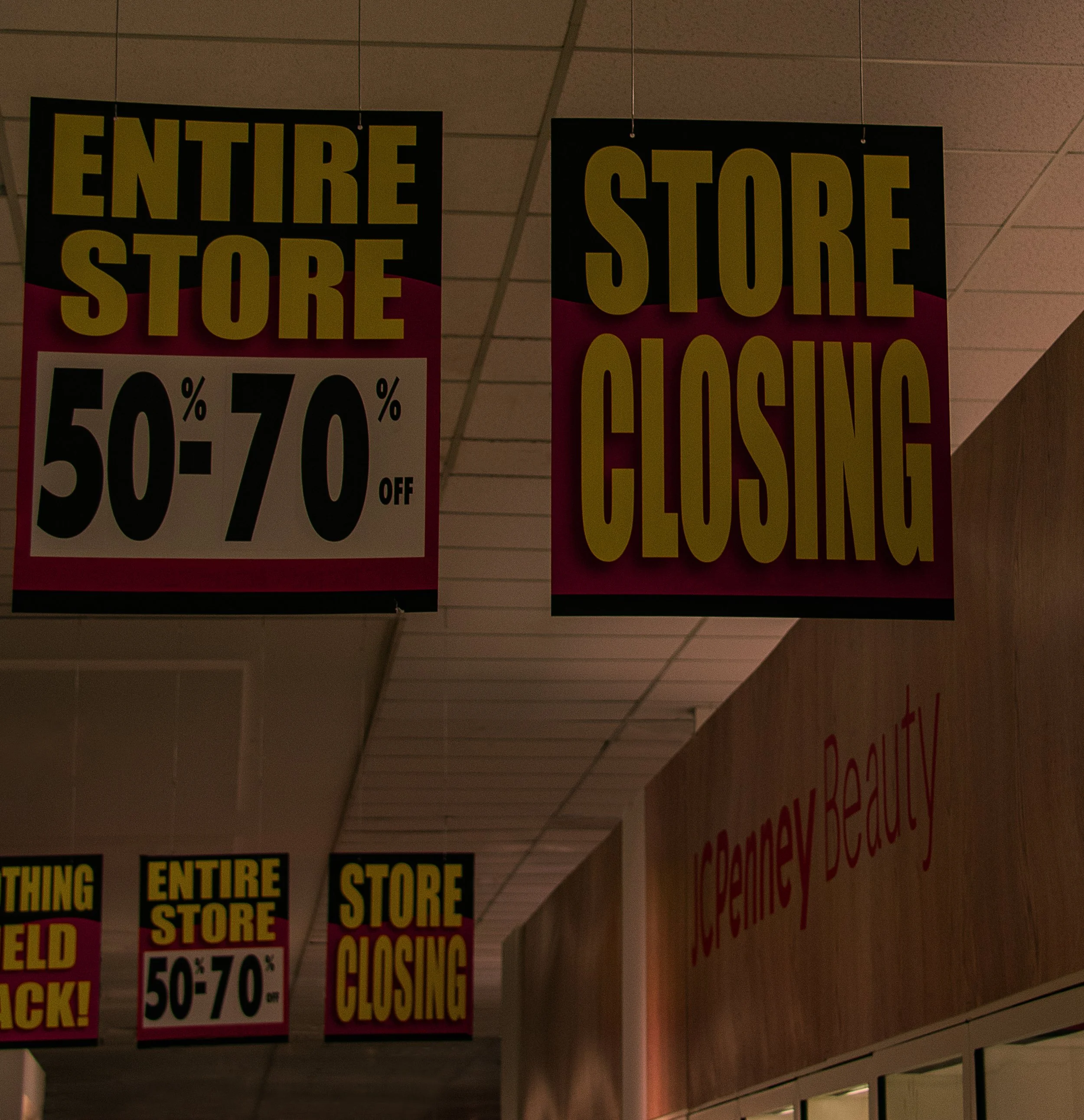
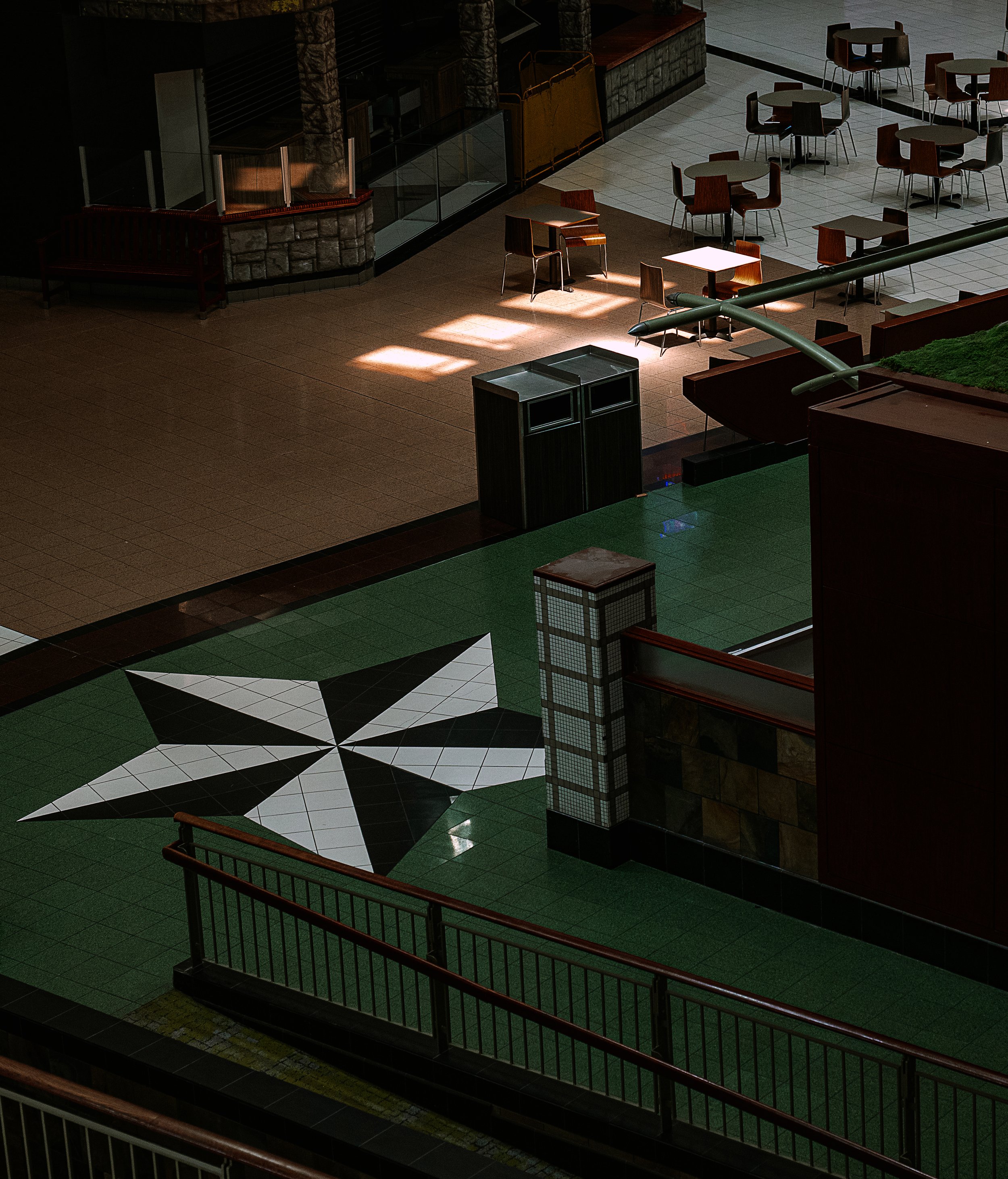
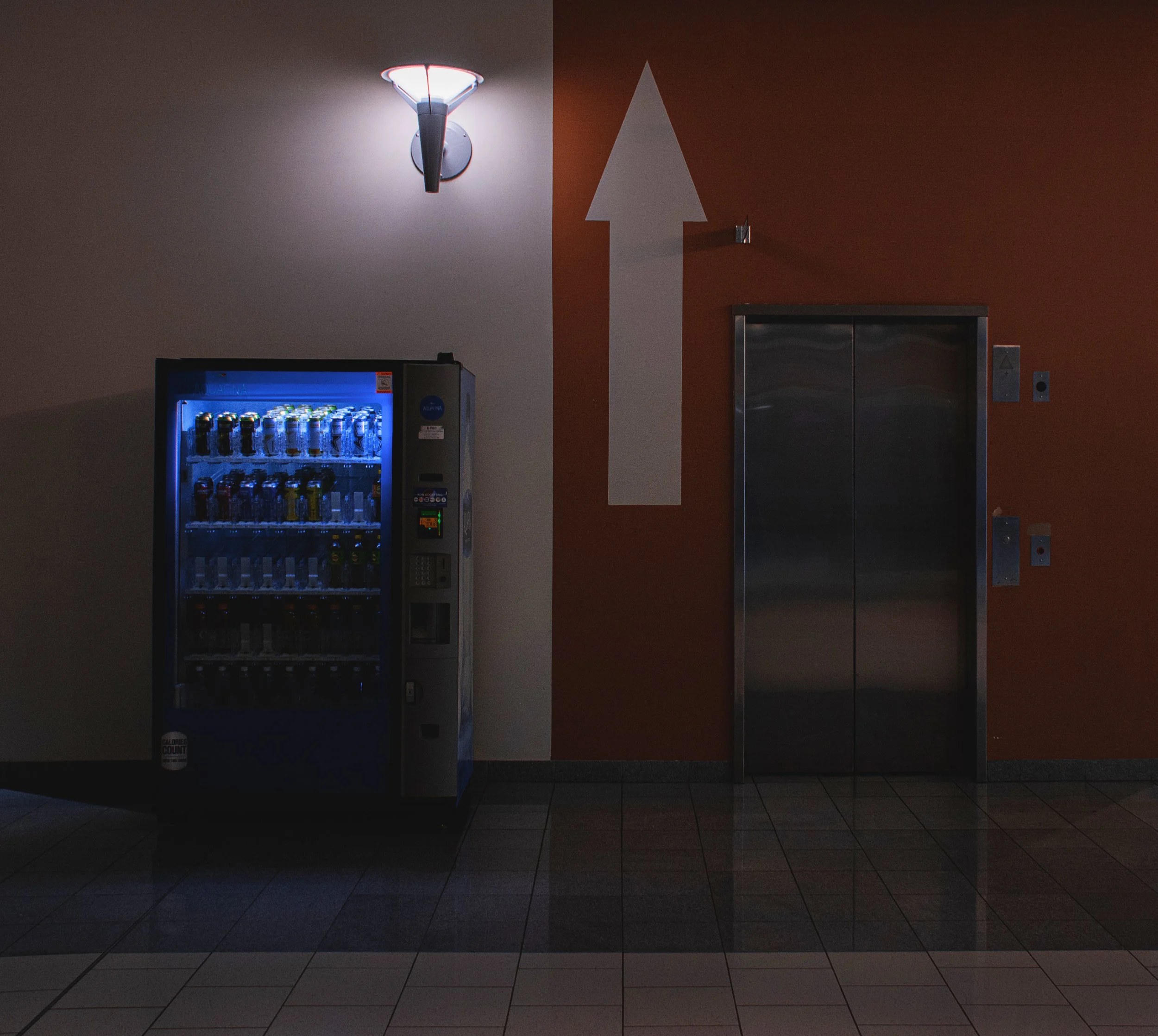
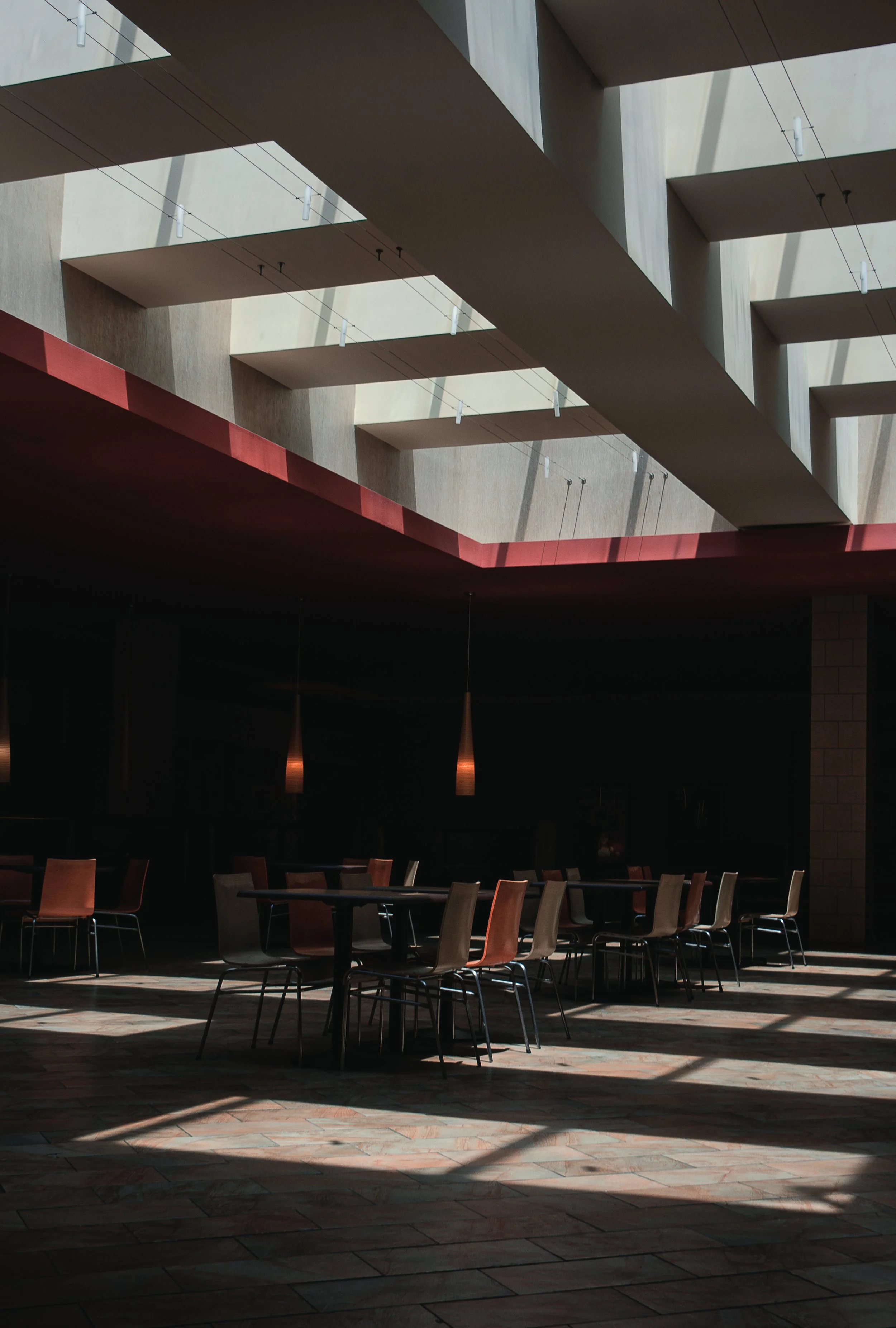
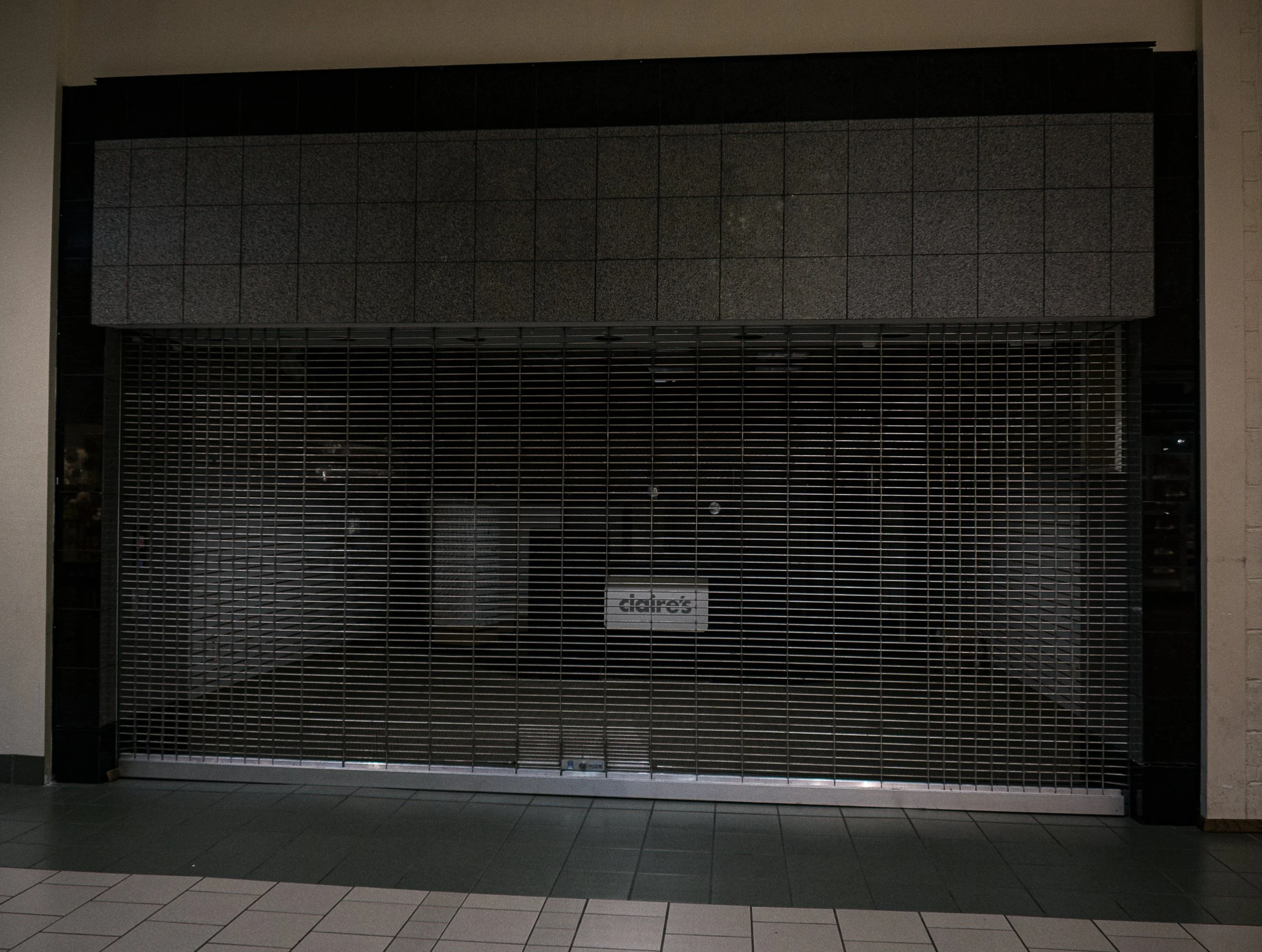
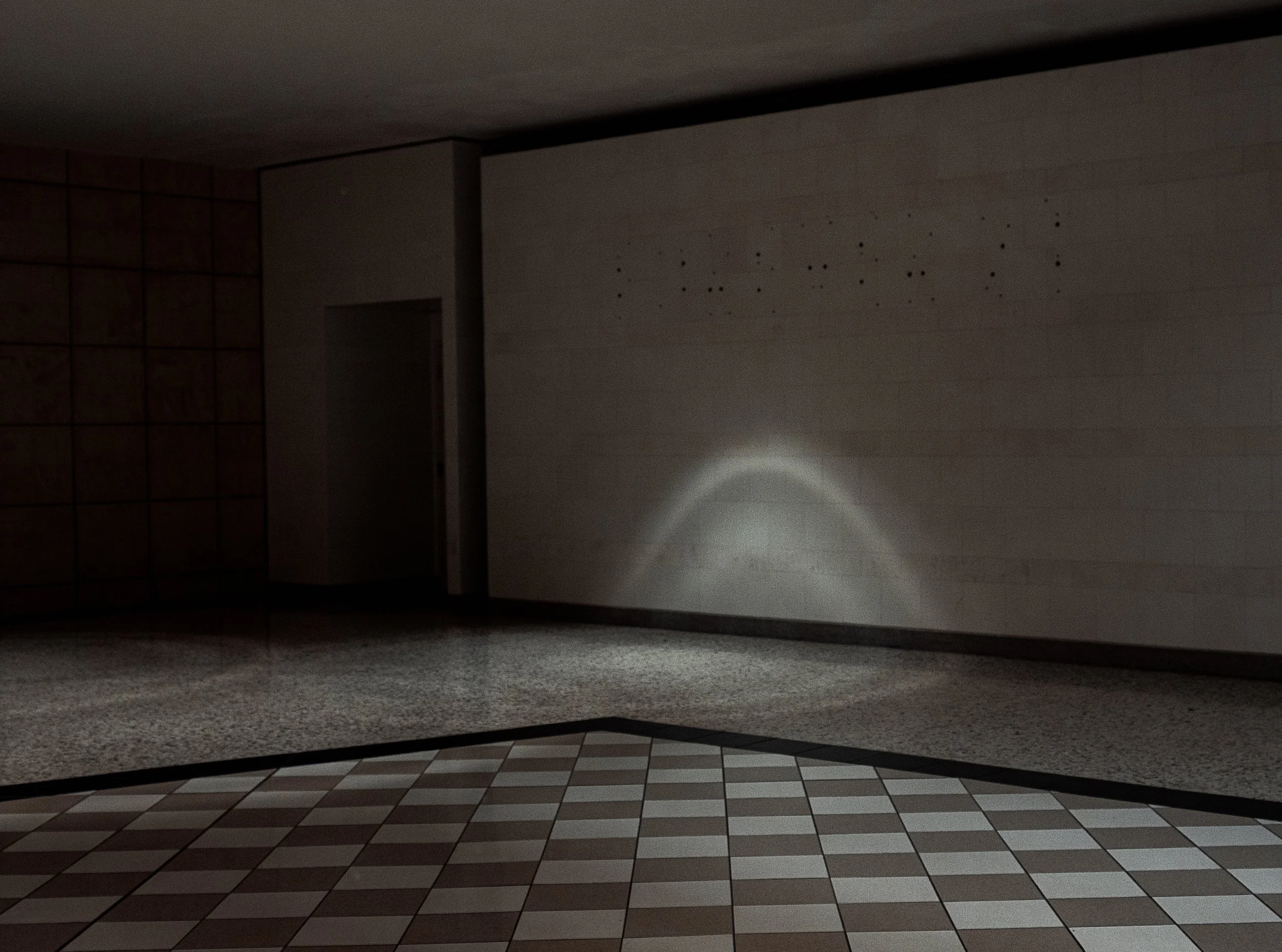
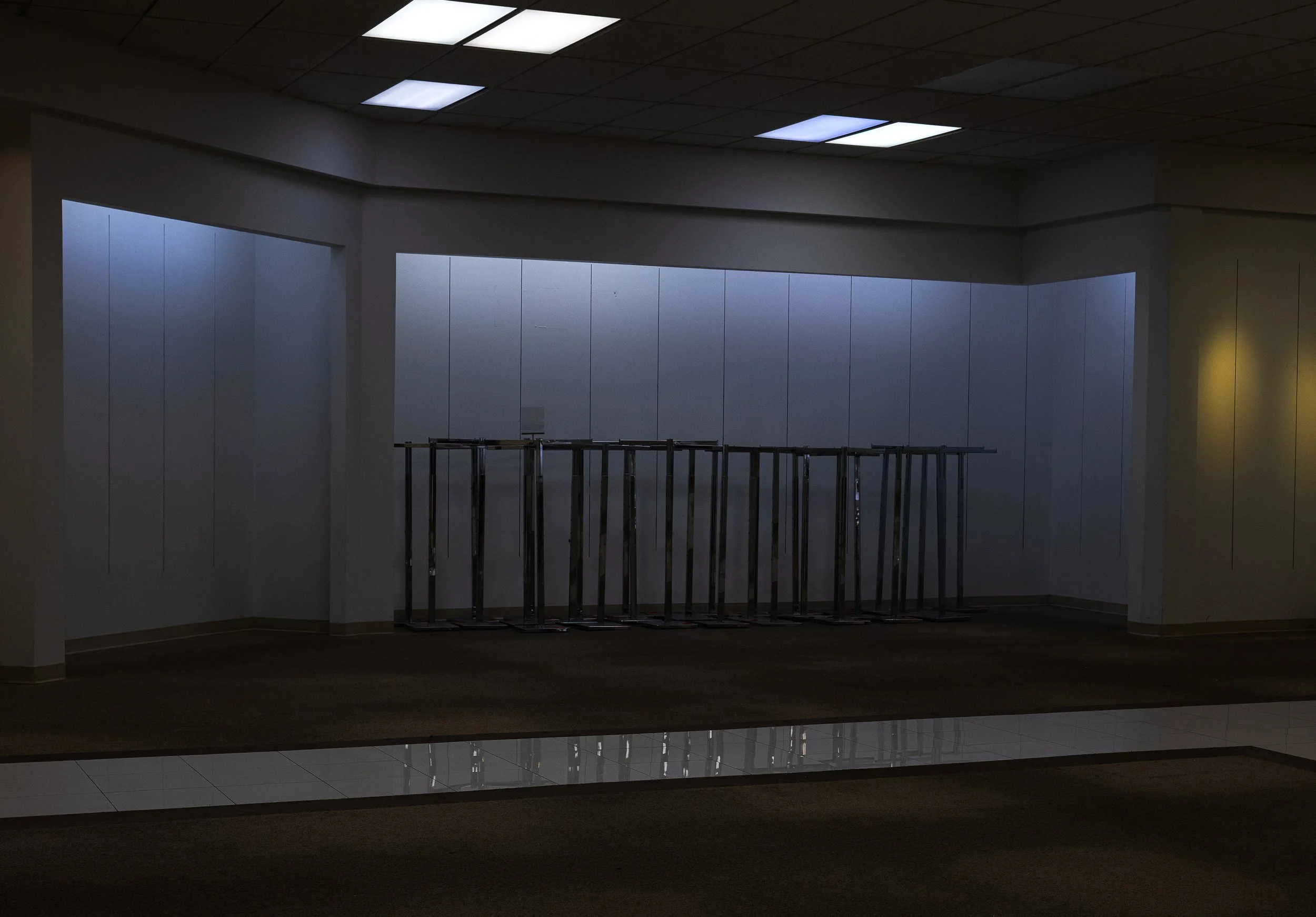
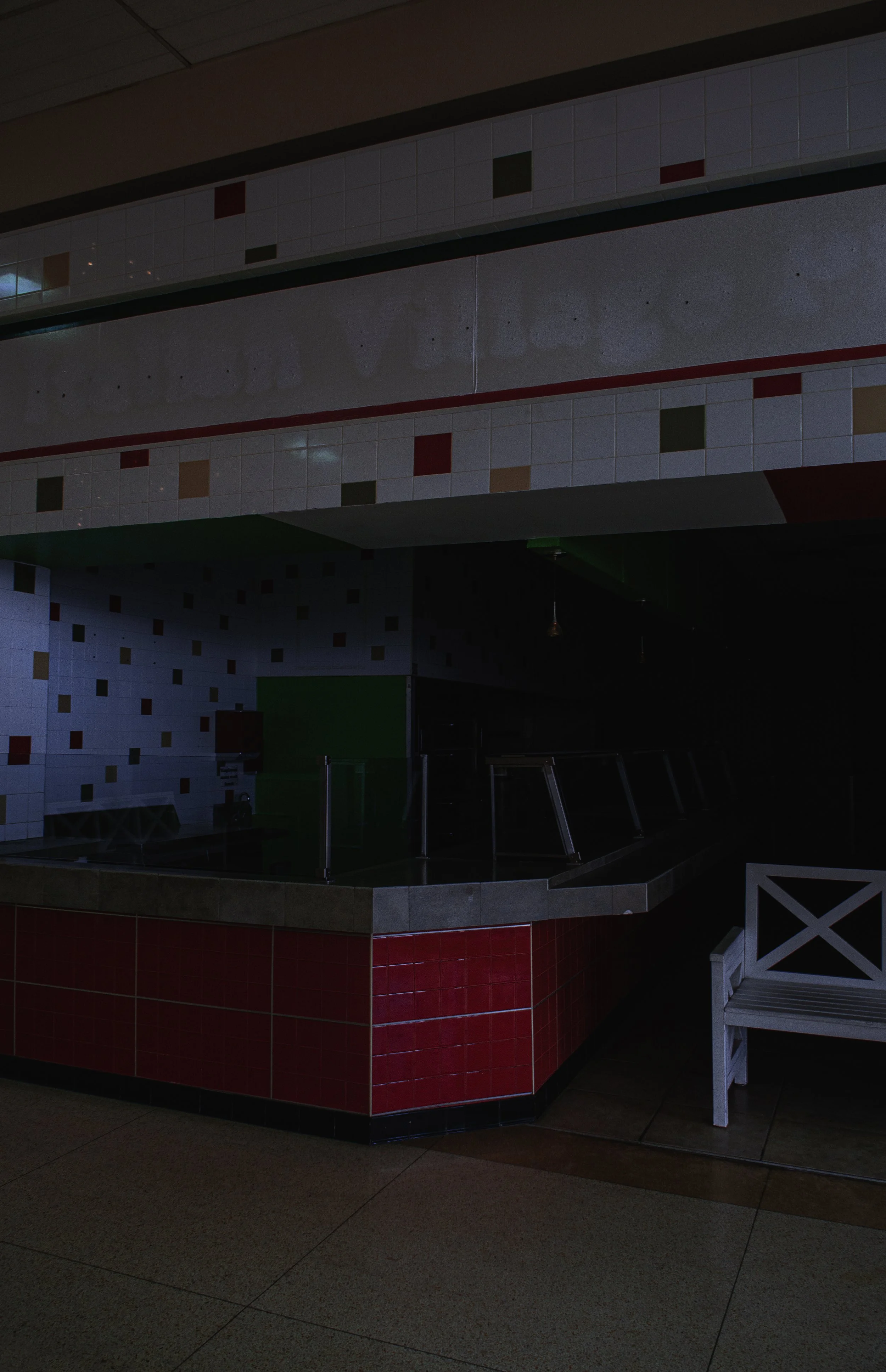
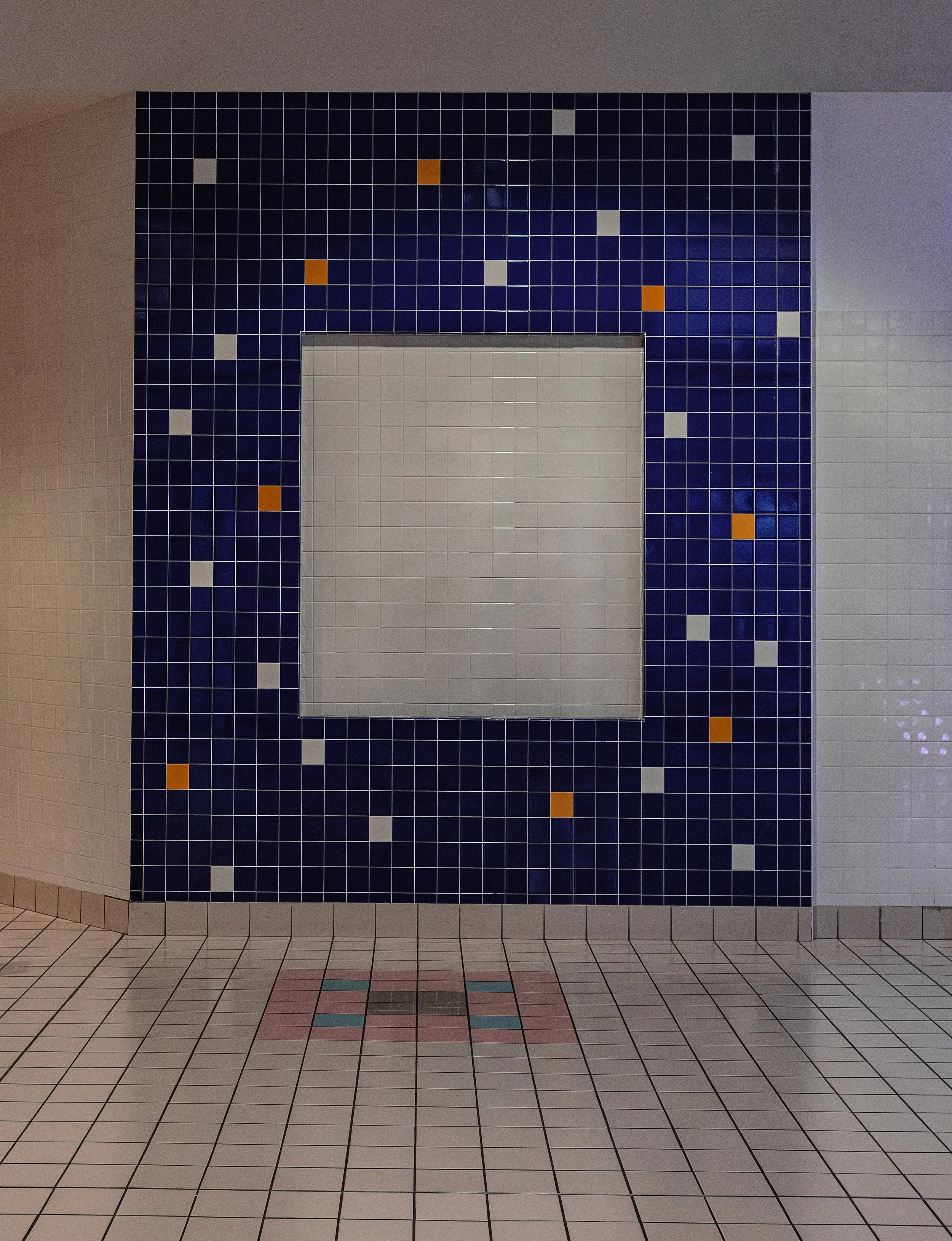
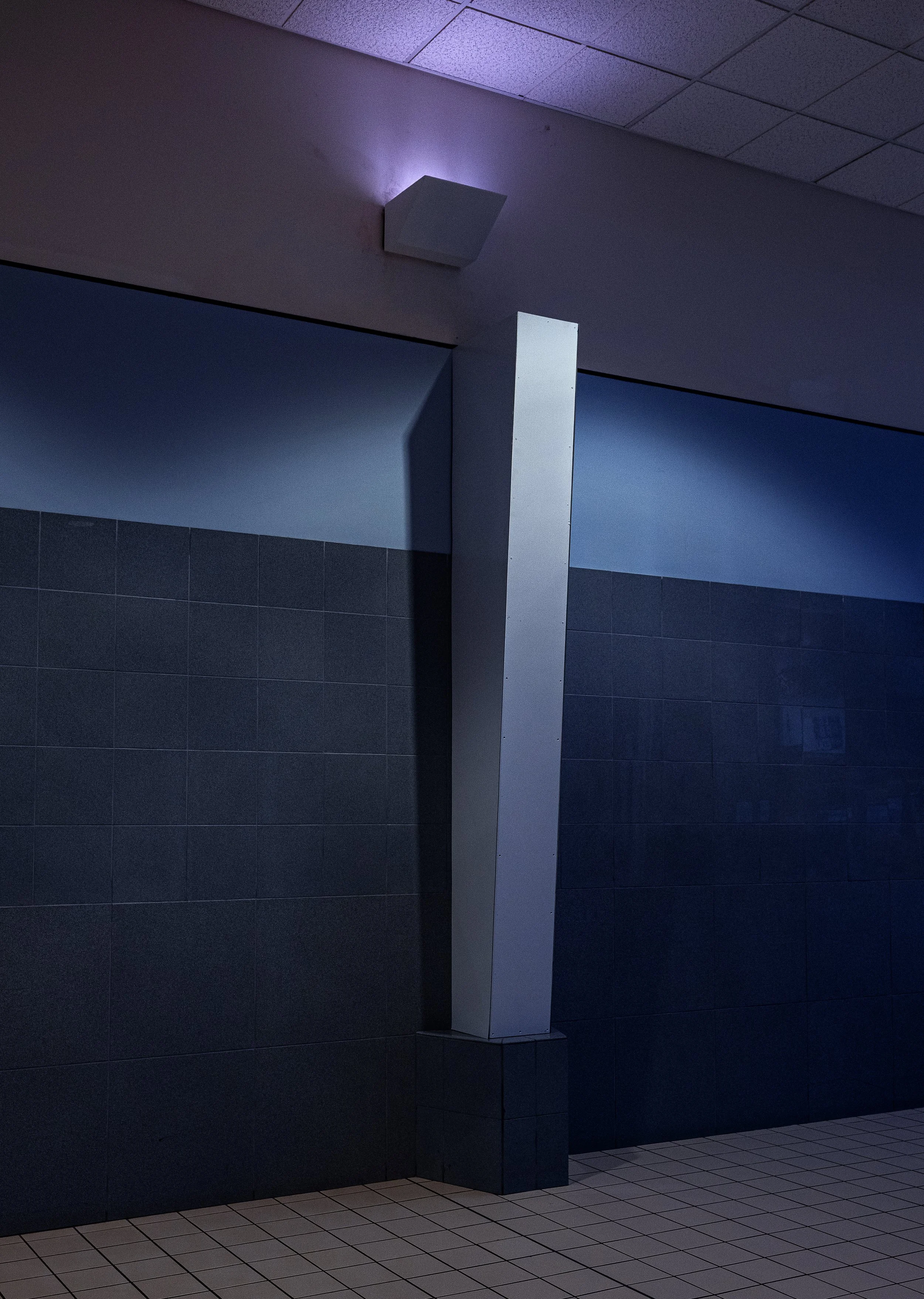
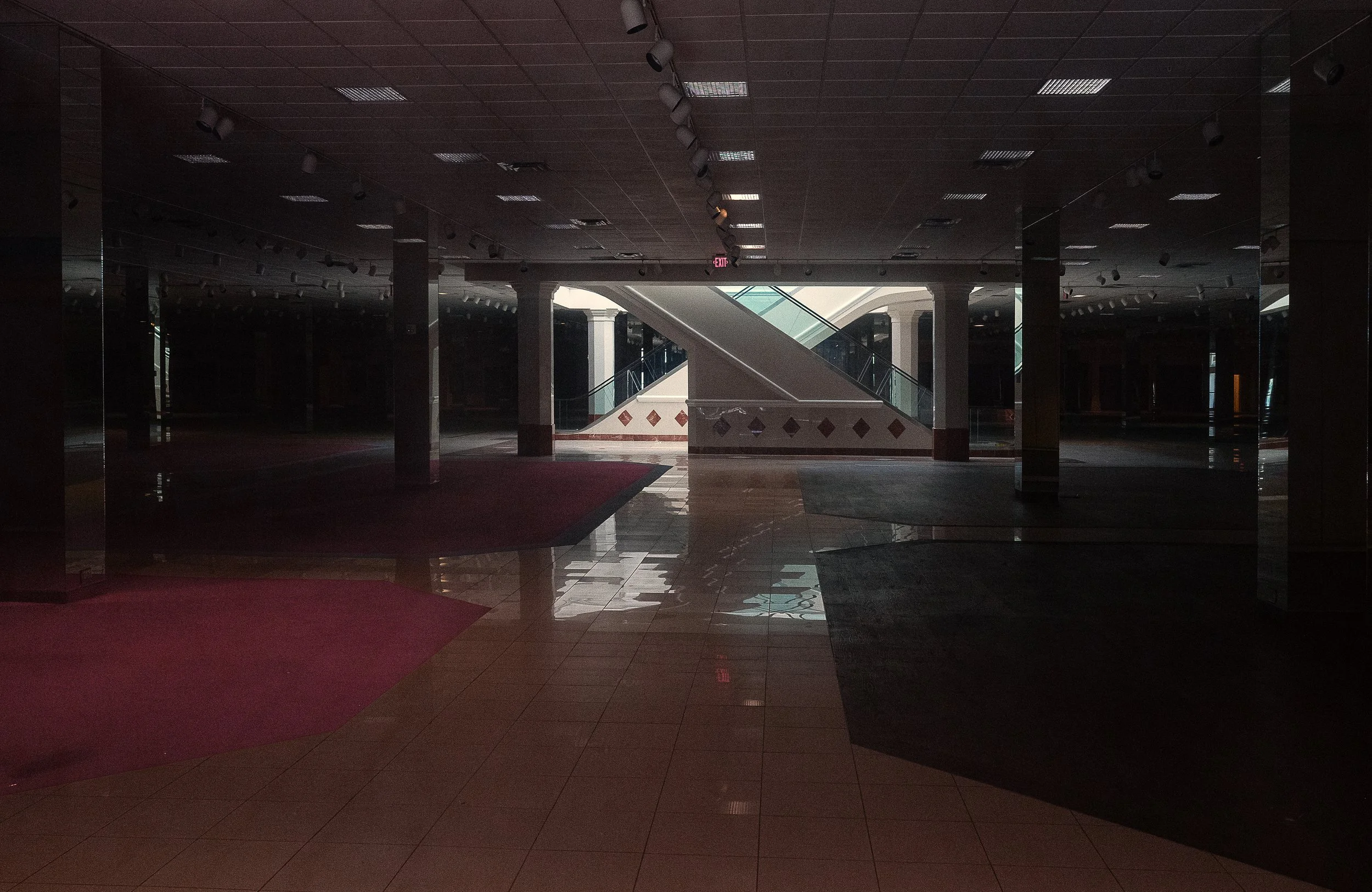
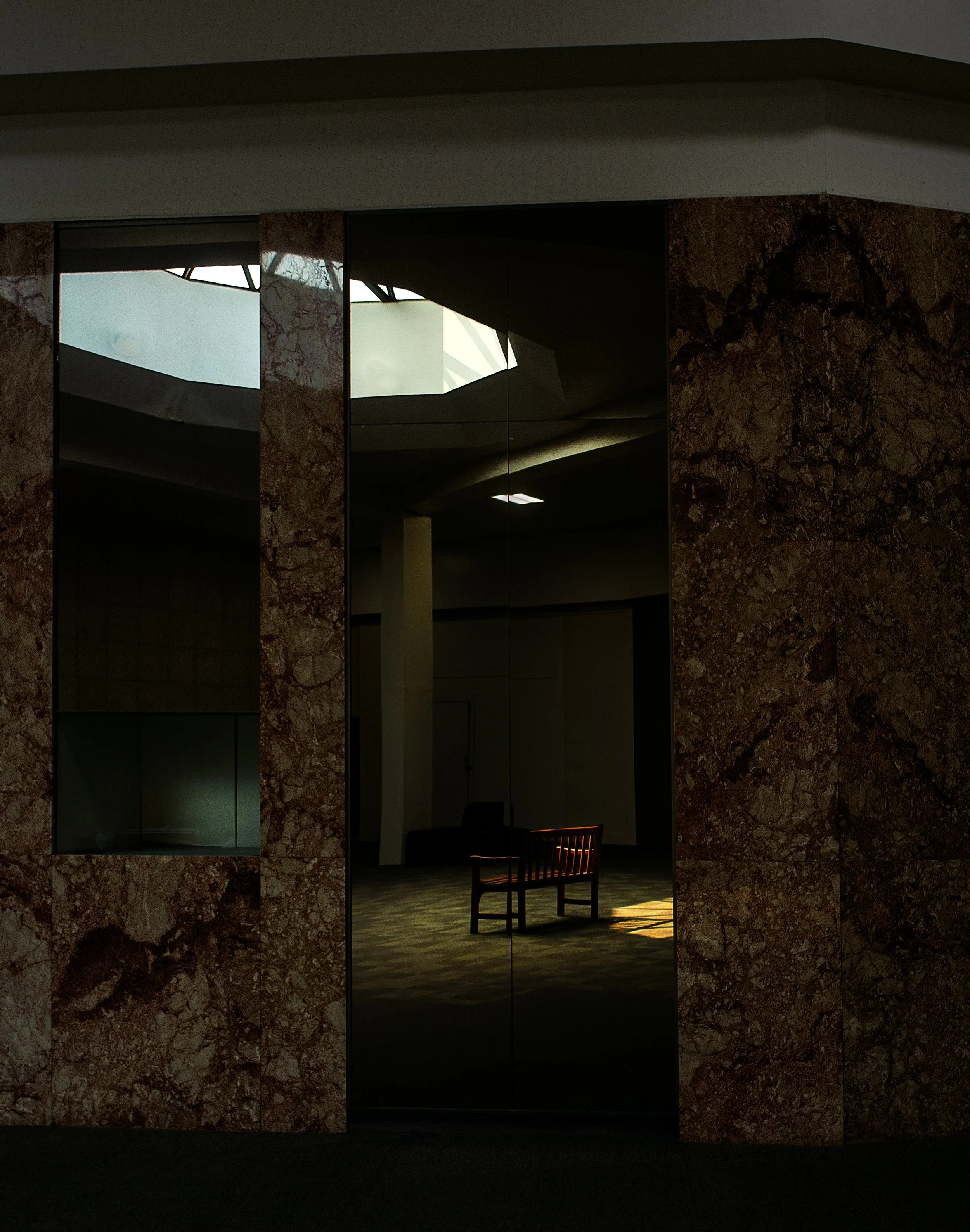
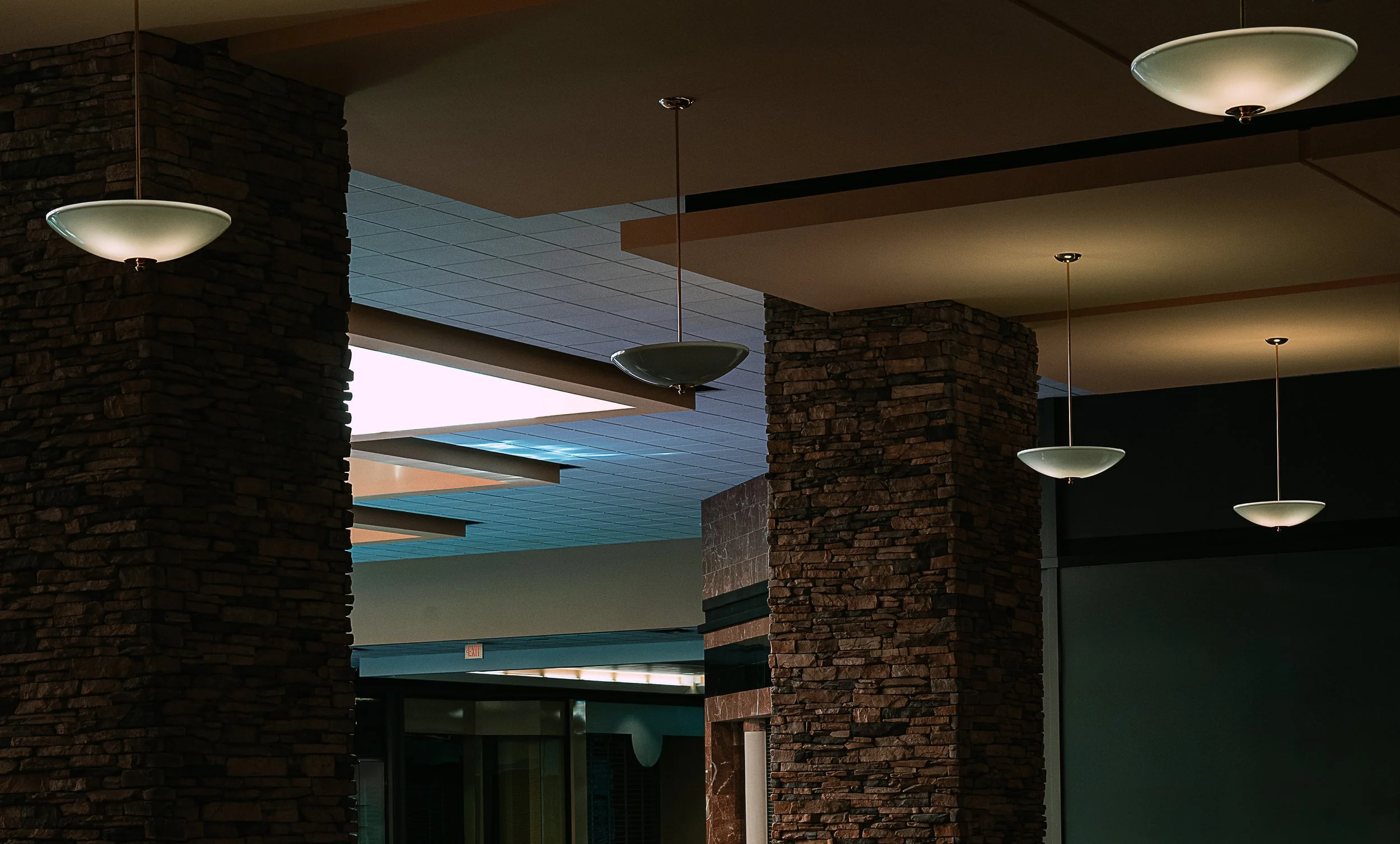
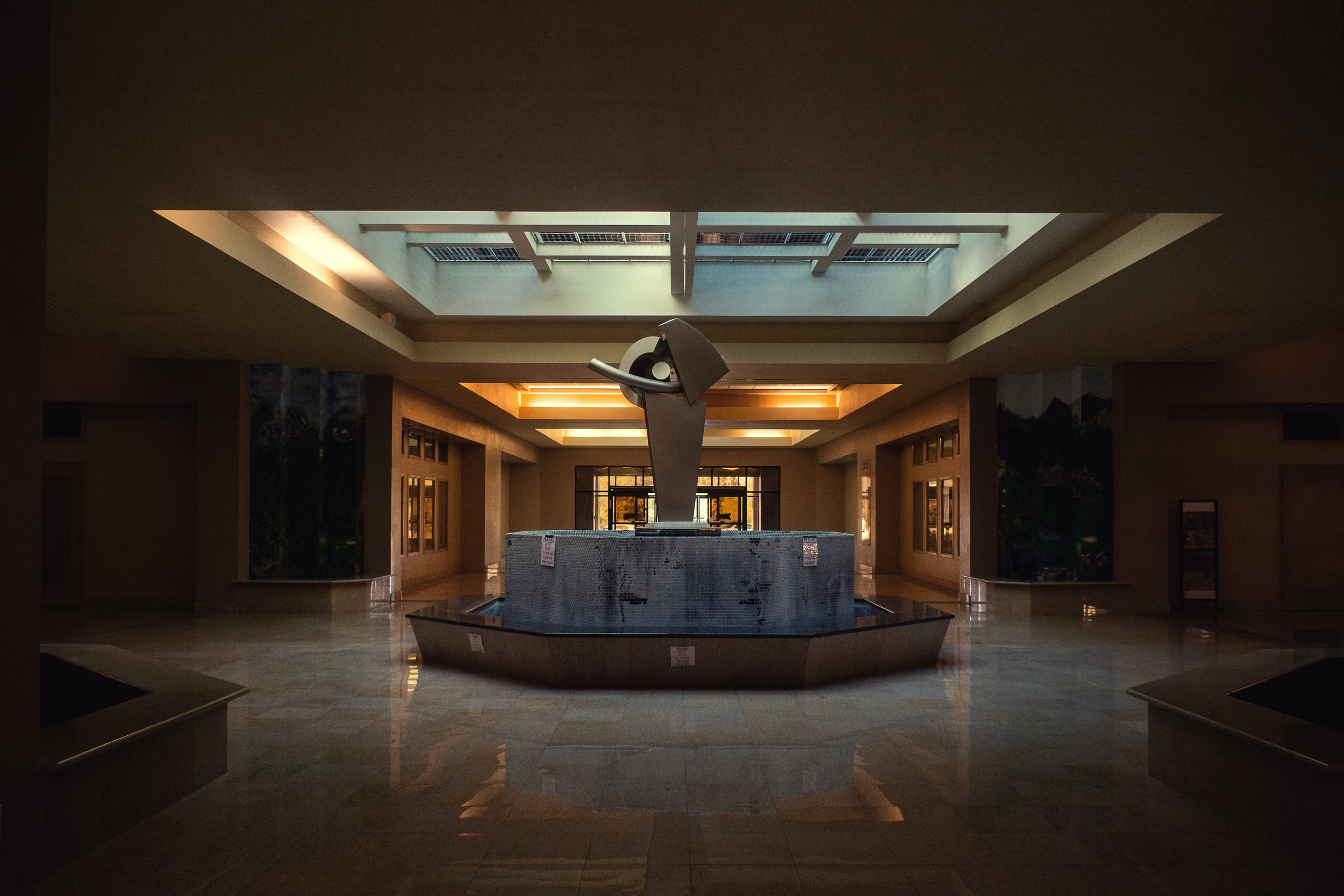
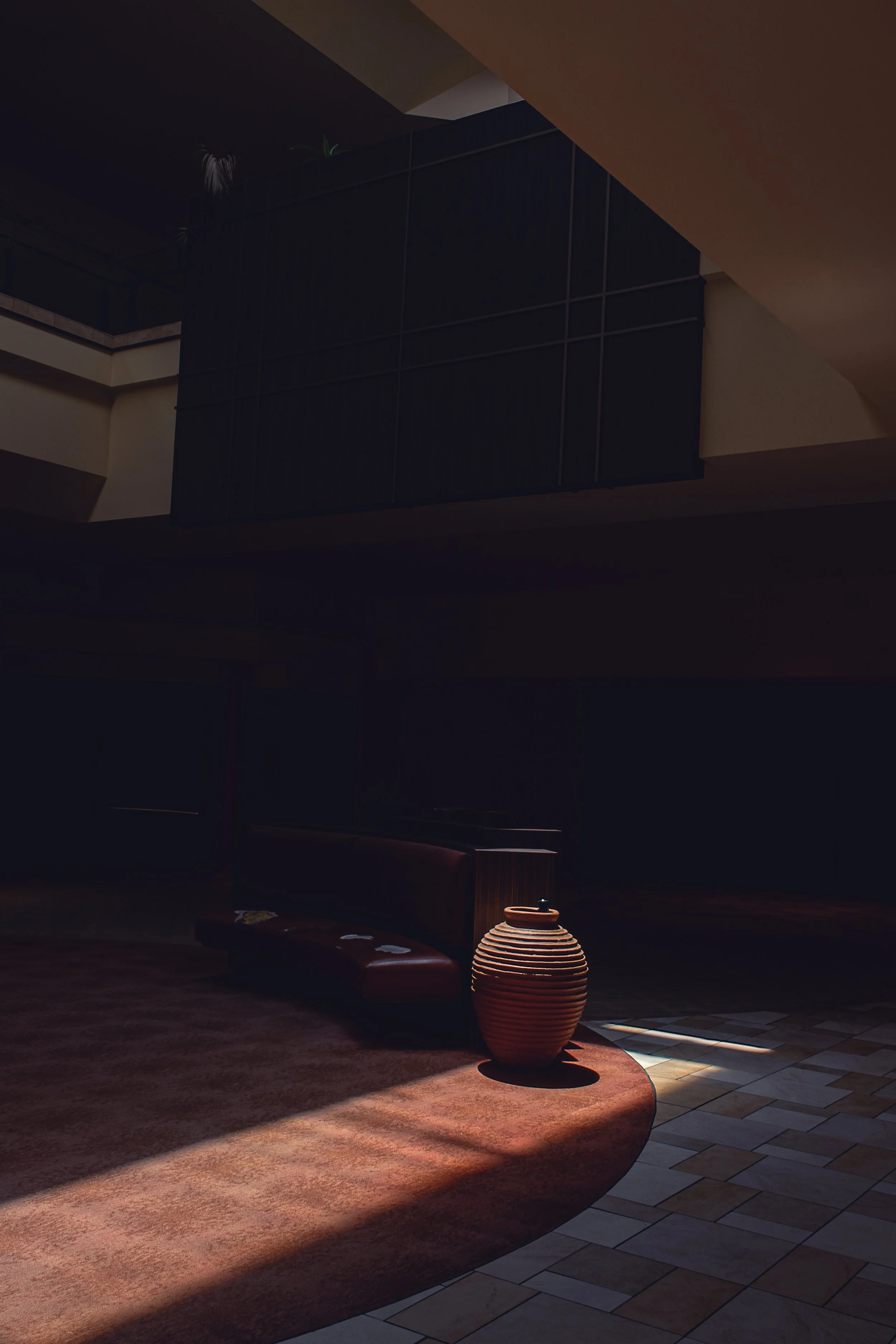
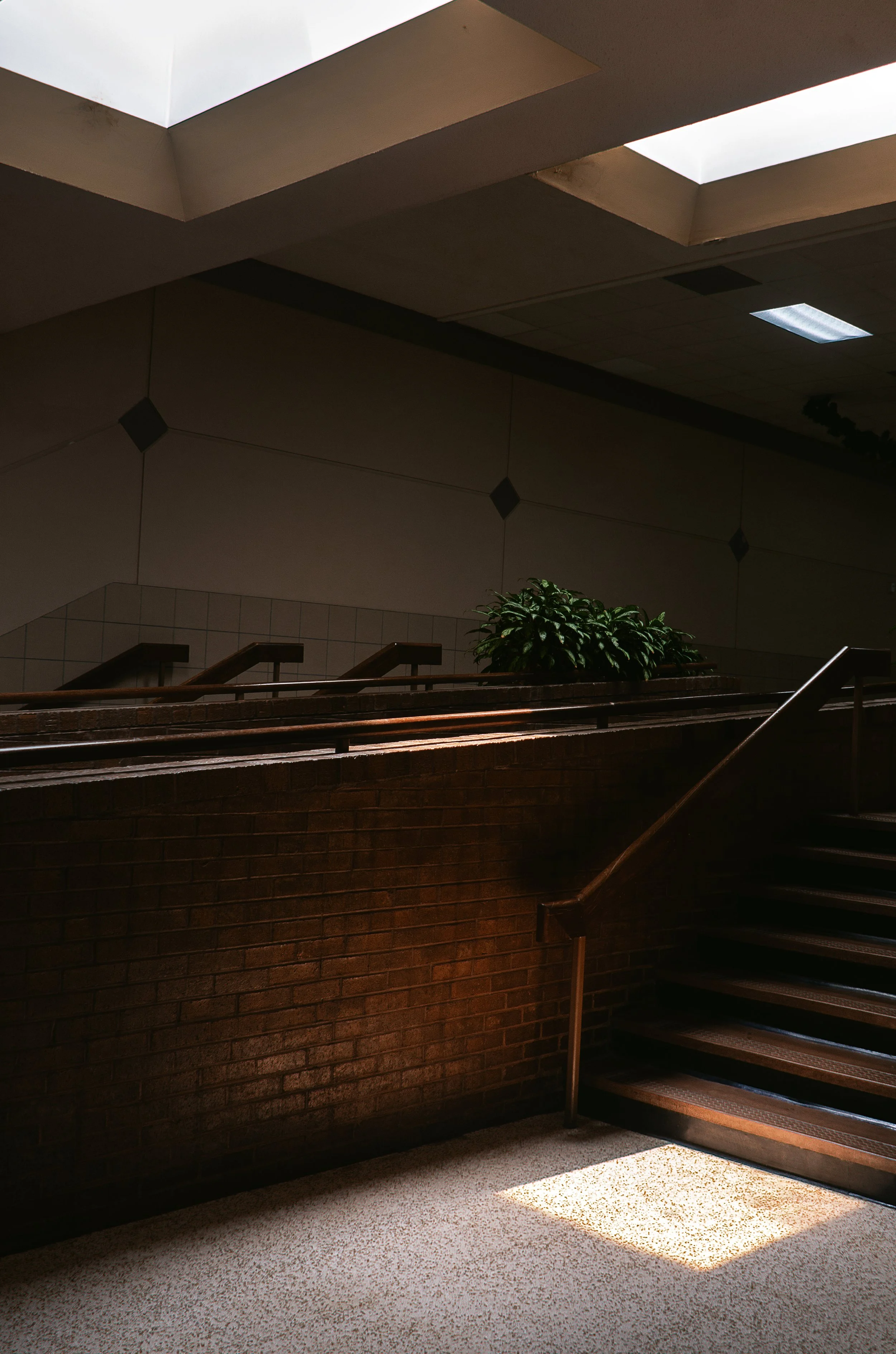
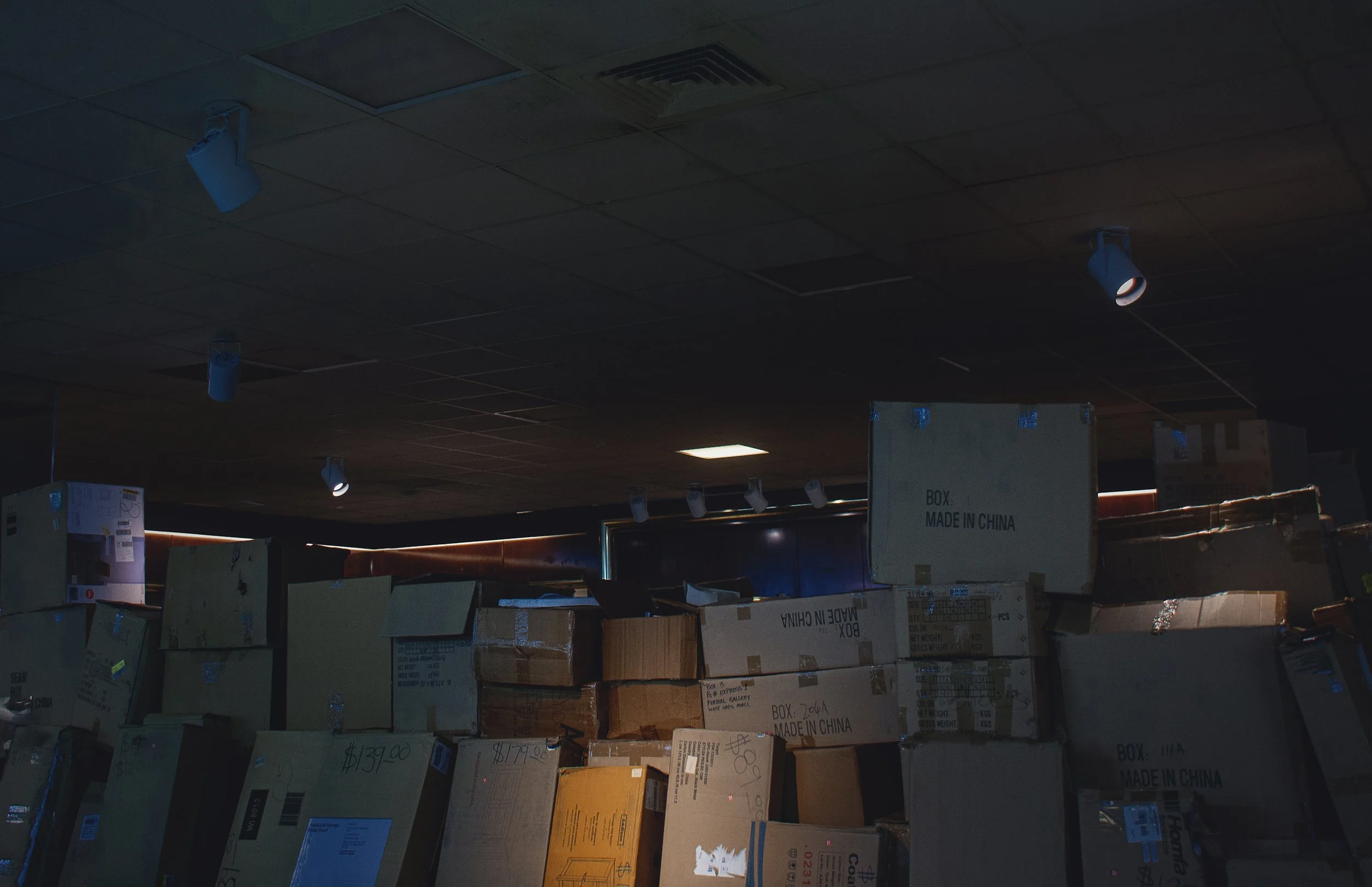
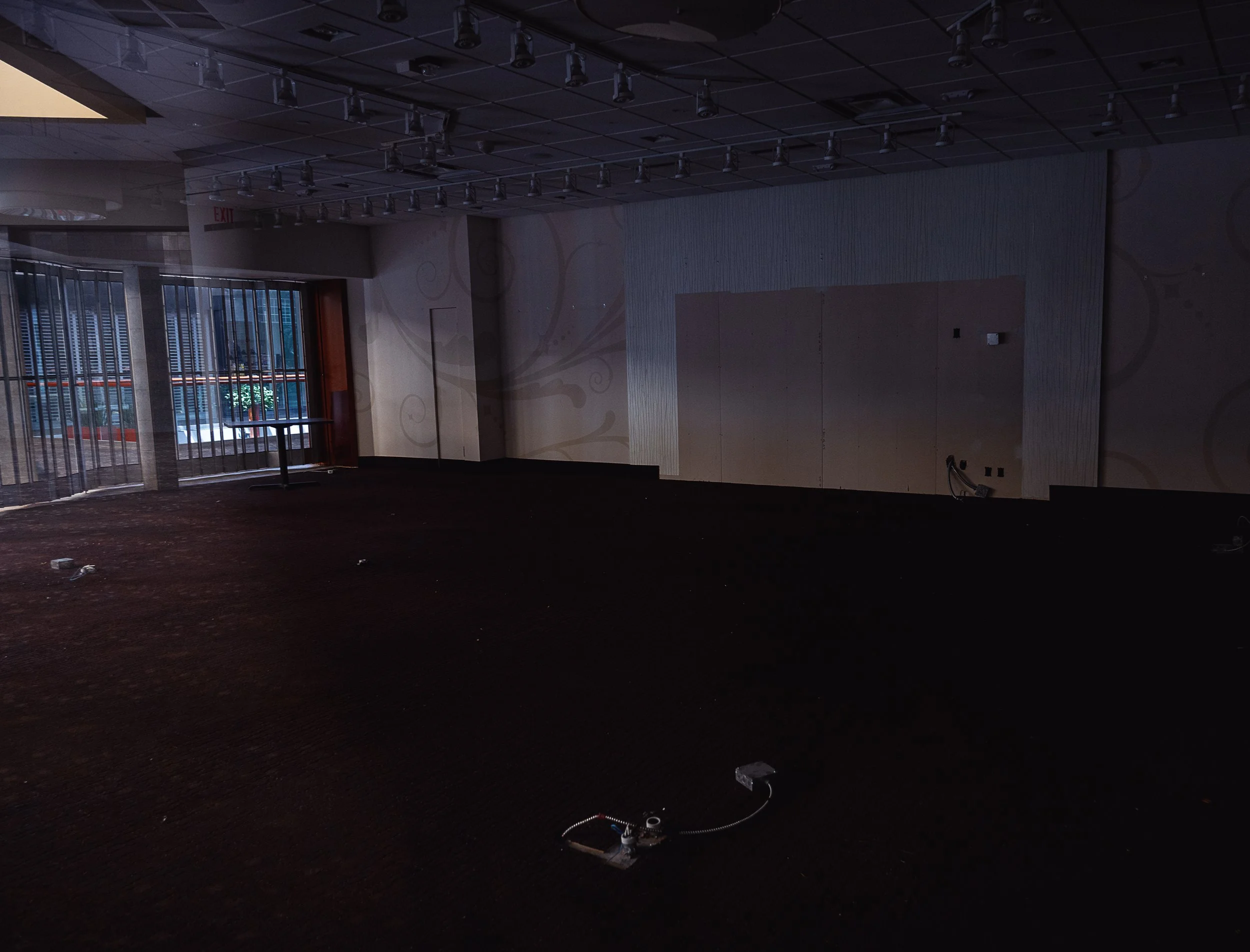
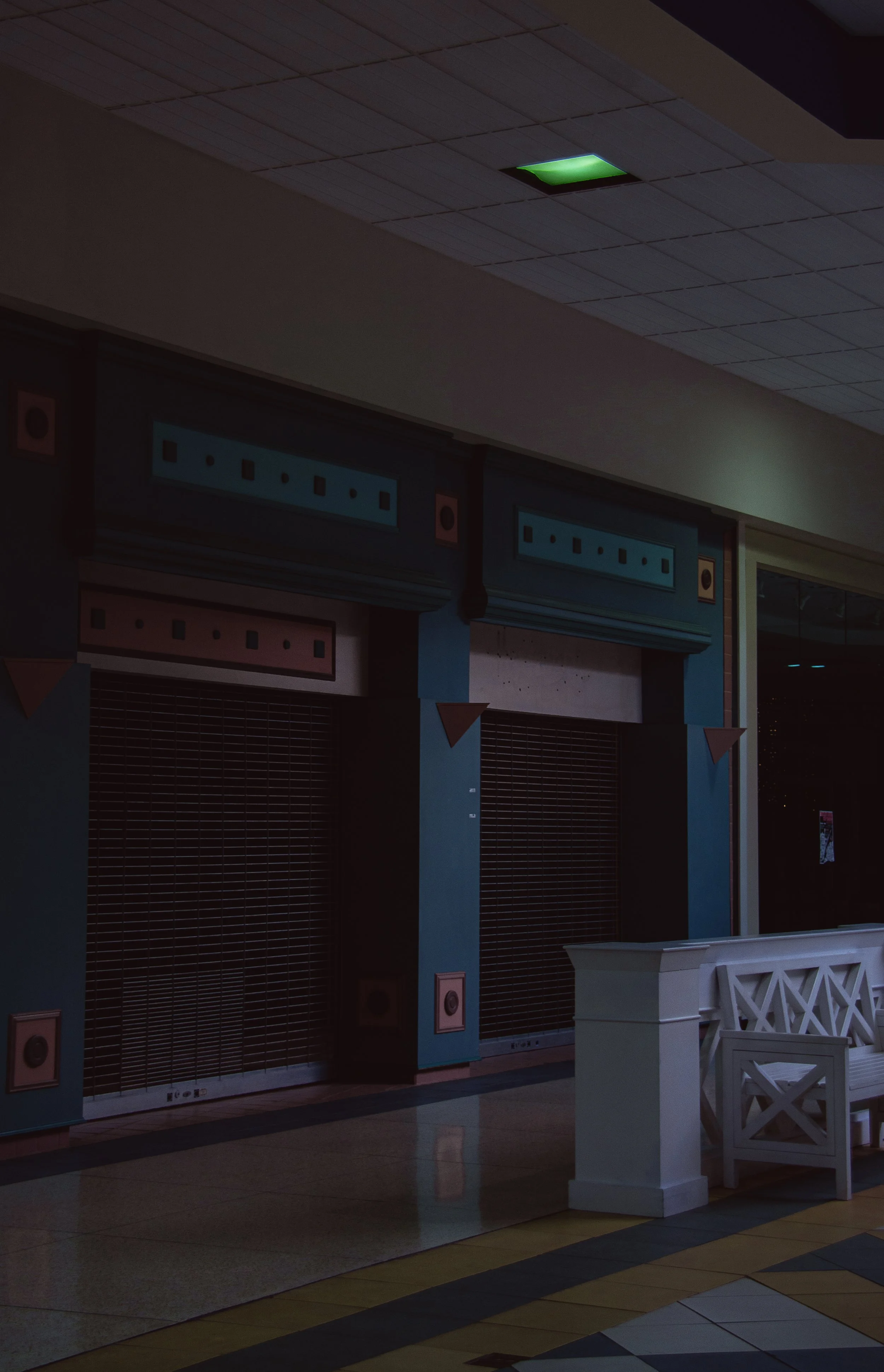
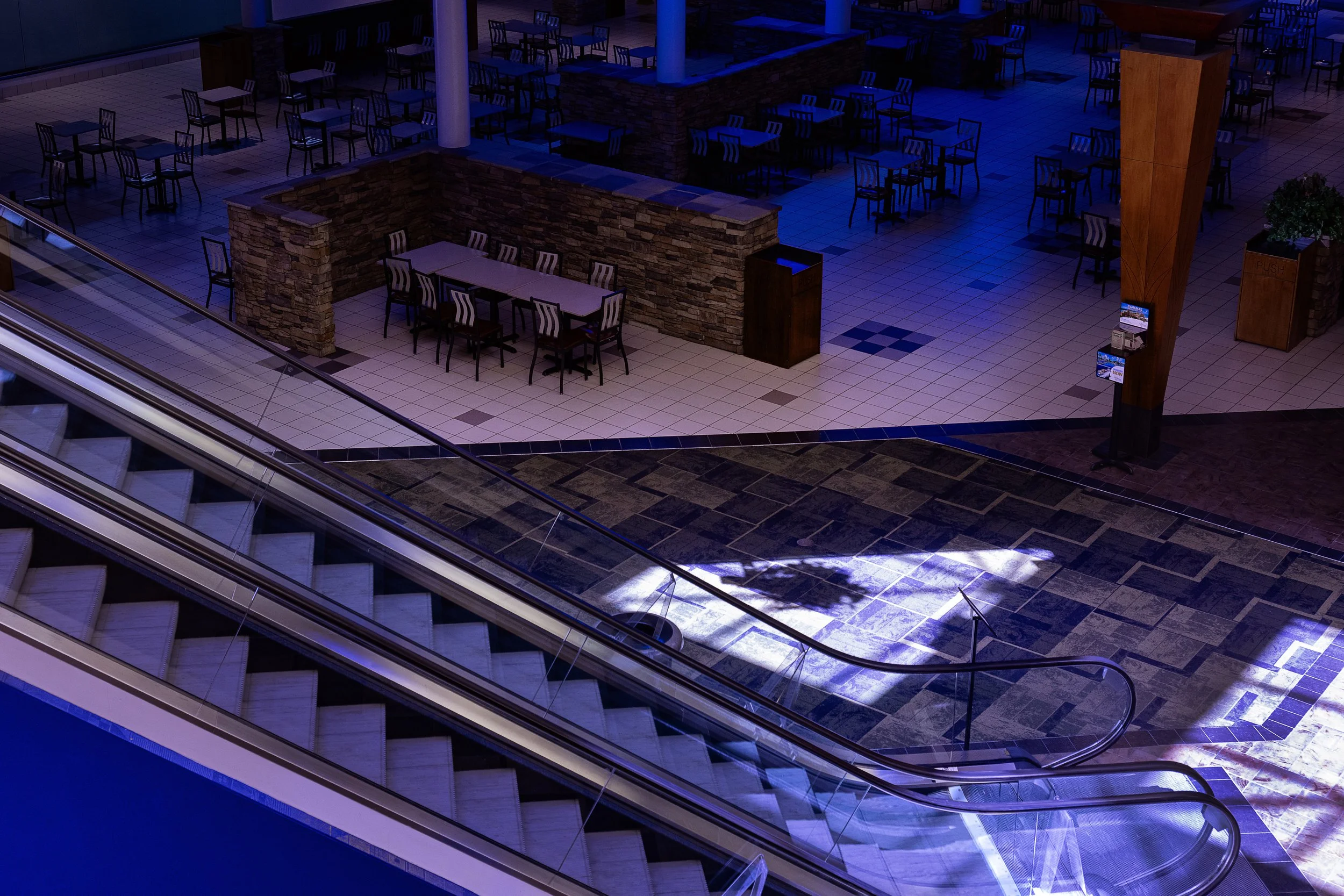
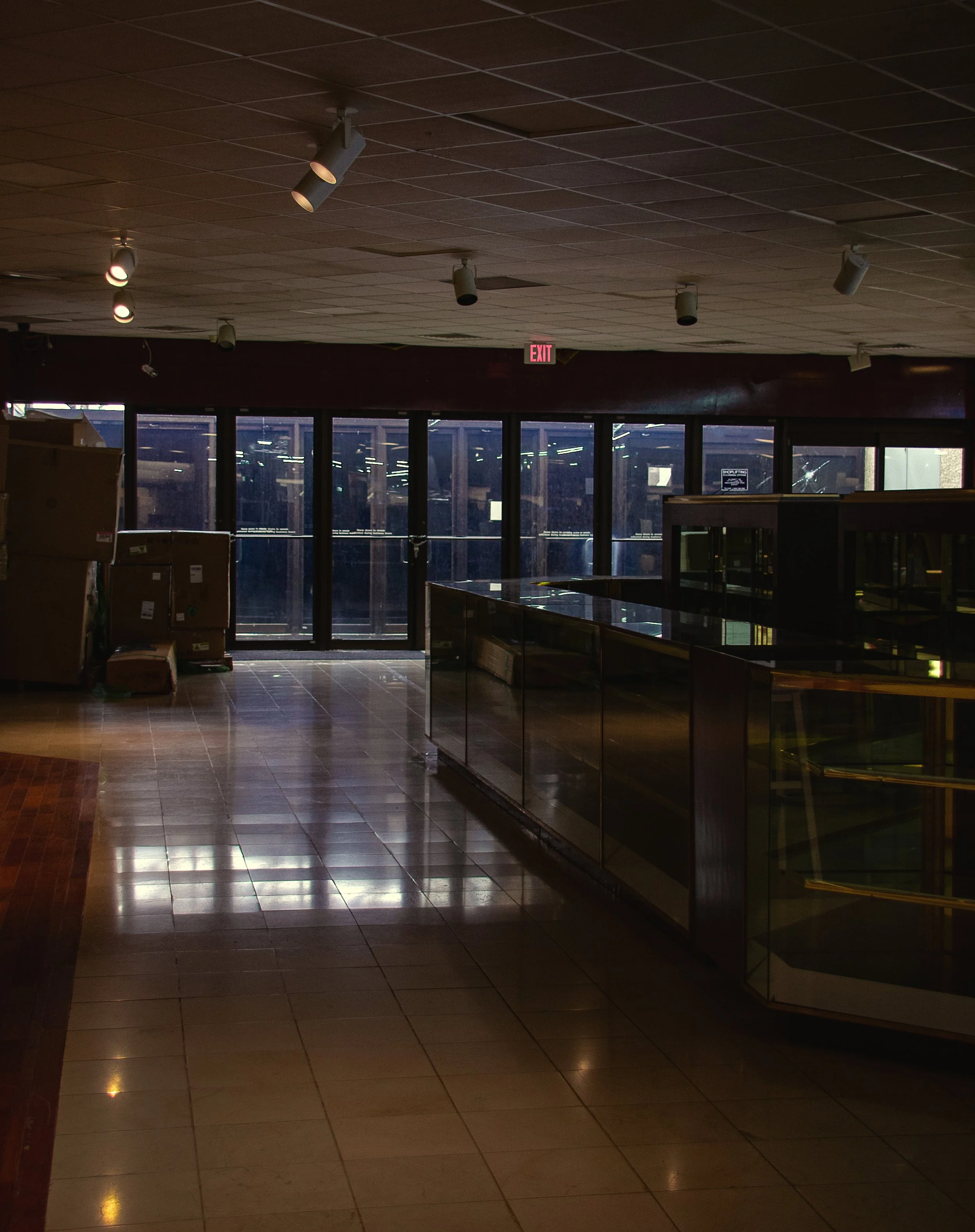
Now, buyer demand has shifted online, and giant malls, once a cornerstone of life, have closed one by one. It is hard to not look back and idealize third spaces that offered safe and cheap indoor entertainment for all ages. However, malls were always intended to build capital for a few wealthy investors. It was financial inevitability that they would just as quickly be discarded once year over year returns did not continue to climb. For institutions driven only by corporate profit, any community was merely a byproduct. But to thousands, America’s malls will be associated with first dates, carefree teenage summers, and days out with family.This project aims to archive the spaces that once contained human joy. Companies can vacate the malls, but the past will still be there.